Who Is Robert Francis Prevost, the New Pope Leo XIV?
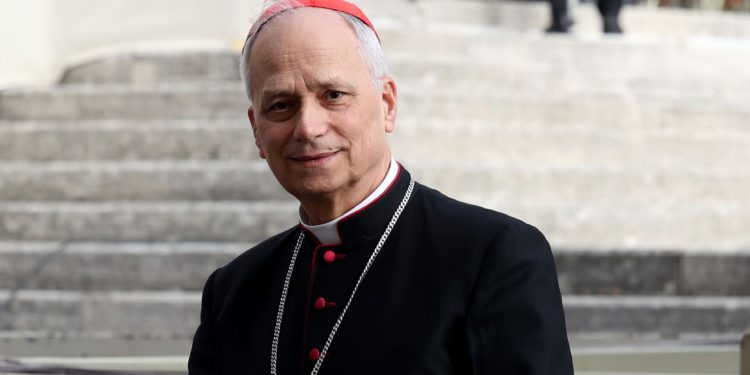
When Robert Francis Prevost appeared on the Loggia as Pope Leo XIV, history turned on its axis — not only because a new face now leads the Catholic Church, but because he has become the supreme steward of one of the most economically and politically consequential institutions on earth: the Vatican.
Prevost is no outsider. Born in Chicago and shaped by the institutional architecture of the American Church, his deepest formation — spiritual and strategic alike — was forged in Latin America, above all in Peru. This is a man who knows the Southern Hemisphere from indigenous communities to the highest tables of clerical power. That rare combination of American pragmatism and Latin sensibility makes him an atypical figure — unsettling to certain factions, and formidably useful to others.
The Vatican is not only faith. It is also finance. It administers real estate assets valued at more than five billion euros, holds one of Europe’s most discreet sovereign funds, and conducts diplomatic operations with more than 180 states. Today’s Pope does not merely preach — he negotiates, shapes global policy, and directs the allocation of vast resources across humanitarian missions, education, healthcare, and post-conflict reconstruction.
Who positioned Leo XIV for the papacy? Moderate factions within the North American Church saw in him a bridge figure. Others across Latin America backed him as a leader who understands the region’s deep social wounds. Among his allies are key archbishops in Mexico, Brazil, and Colombia, as well as influential members of the Roman Curia who are pressing for a Vatican that is less insular and more transparent. Not everyone, however, is applauding.
The Trump administration — which has signaled its intention to reassert older forms of religious and commercial influence — may view with considerable suspicion a Pope with Latin roots and an unmistakably social discourse. Prevost speaks of climate justice, of resource redistribution, of opening doors to migrants. It is a language that sits uneasily with those who regard the Church as a conservative institution aligned with the established order.
The election of Leo XIV will do more than change liturgical texts. It may alter diplomatic equilibria, redefine international alliances, and carry real weight in strategic votes across Latin America. The signals are already visible: a surge in diplomatic visits to the Vatican, adjustments to international cooperation funds, and the reactivation of certain social programs financed jointly by Catholic organizations and the United Nations.
Leo XIV does not merely inherit a throne. He inherits a network — and with it, the power to redefine the Church’s role in an ever more polarized world. Between capital and compassion. Between Washington and the Andes. Between symbols and action.
This new Pope does not only bestow blessings. He makes decisions.


 '
'