The Market Value of Ultra-Luxury
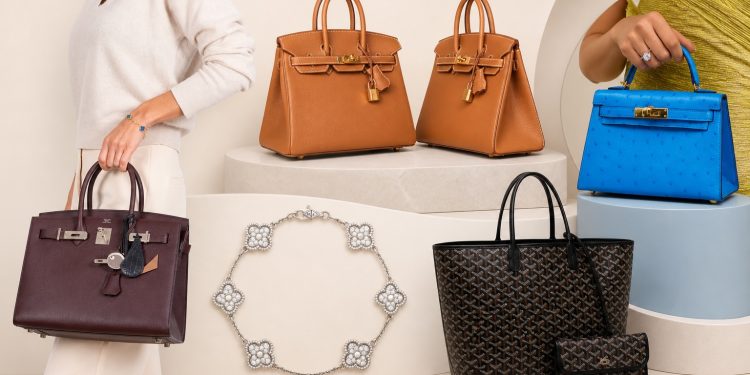
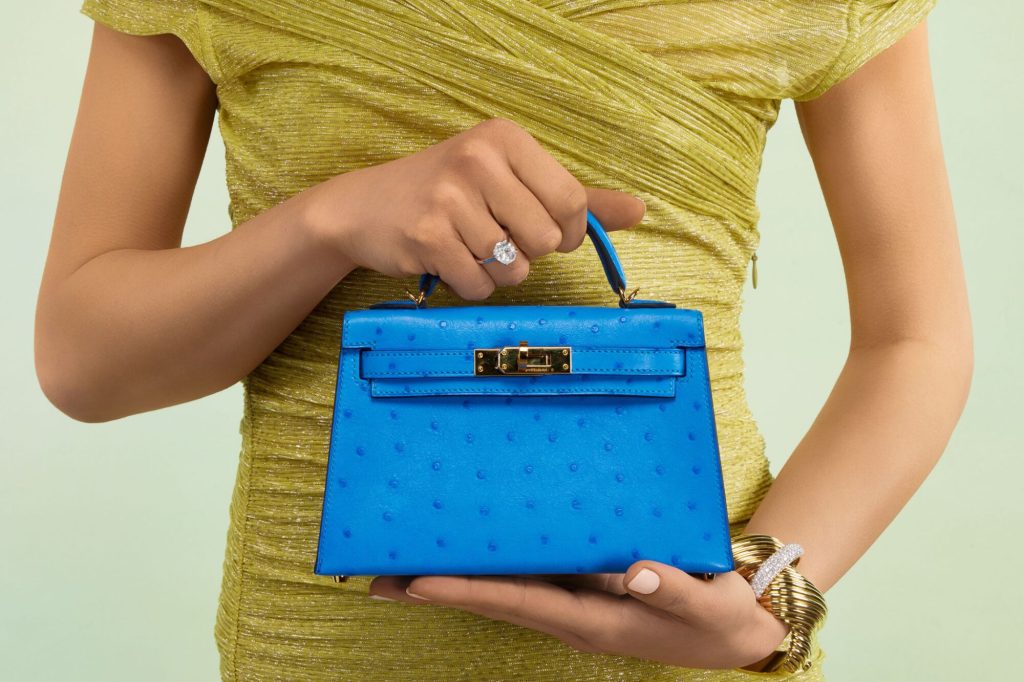
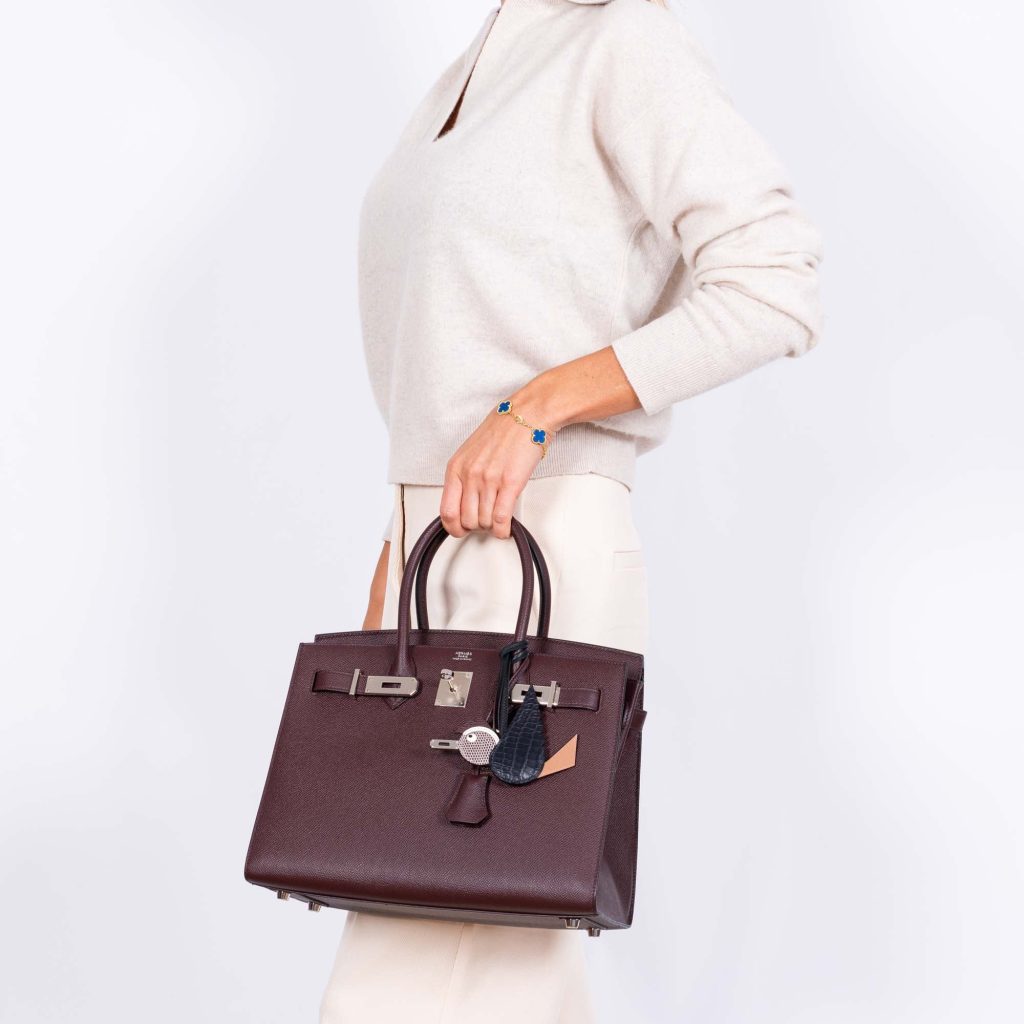
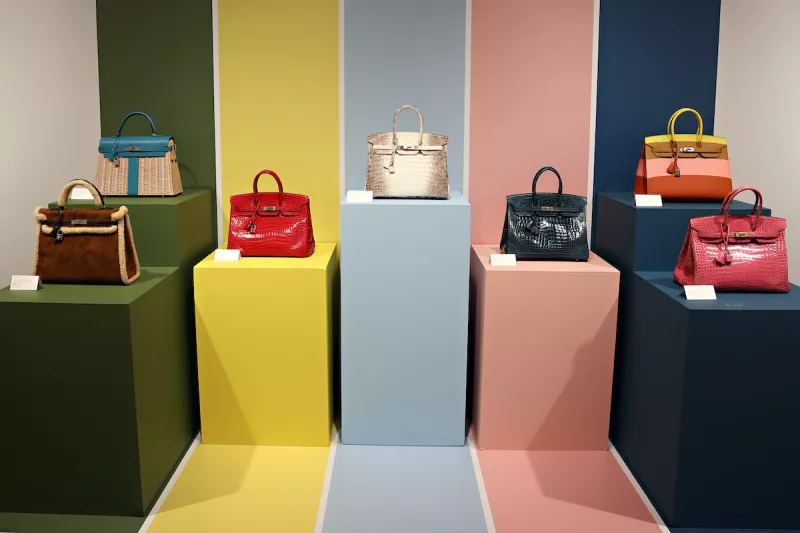
Owning a Hermès Kelly Mini II or a Birkin Sellier has ceased to be a symbol of access and become a treasury decision. With appreciation rates reaching 183% above retail, these pieces now outperform multiple conventional investment portfolios. At the highest levels of corporate leadership, the calculus has shifted: acquisition is no longer driven by vanity, but by the object’s capacity to function as a high-resilience store of value.
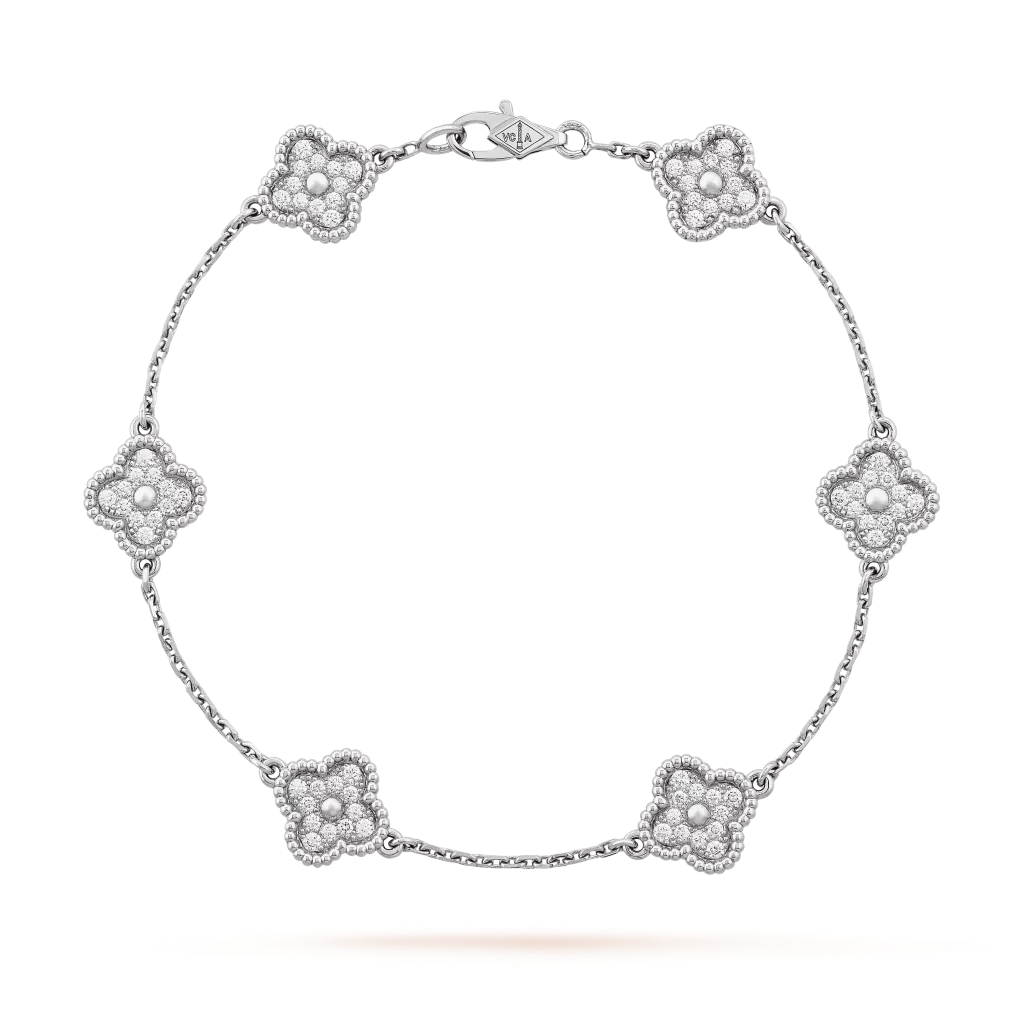
This architecture of returns rests on genuine scarcity. While traditional markets exhibit volatility, assets such as the Sweet Alhambra bracelet by Van Cleef & Arpels transform metals and gemstones into stable stores of value with gains exceeding 120%. This is no isolated phenomenon — it is the maturation of a resale sector on track to reach $50 billion, where the discerning investor’s edge lies in identifying pieces with an impeccable appreciation trajectory.
Today’s most sophisticated approach also rewards discretion. Houses such as Goyard and The Row demonstrate that long-term value is fortified through tactical exclusivity. For those who manage significant capital, the choice between a boutique acquisition and an archive piece follows its own market logic: directing wealth toward assets that retain their financial relevance against any global adjustment. Knowing how to select the right piece is, in essence, knowing how to diversify with precision.



 '
'