The Global Temples of Wine Tourism
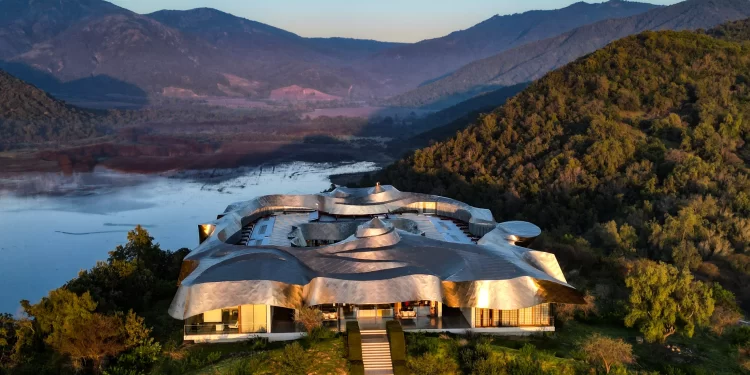
Wine tourism has evolved far beyond the tasting room into a luxury experience that fuses monumental architecture, history, and haute cuisine. With a global market projected to exceed $358 billion, wineries now operate as high-yield tourism assets in their own right.
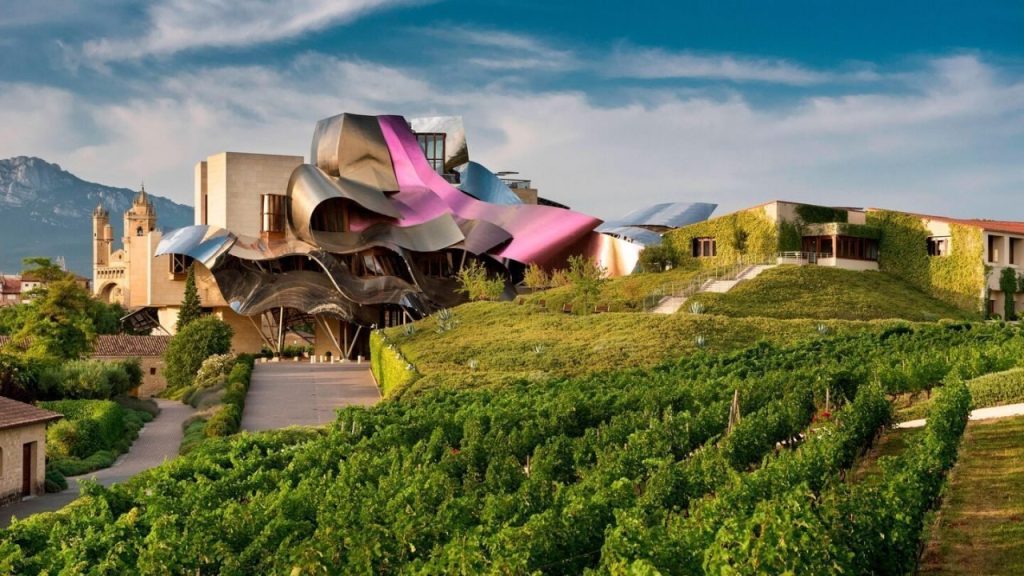
Hotel Marqués de Riscal in Elciego, Spain
In Europe, tradition is being reinvented with daring ambition. Spain leads with Marqués de Riscal and its Frank Gehry–designed hotel in La Rioja — a region that generates more than $190 million annually. In France, Château Smith Haut Lafitte elevates the concept further with its vinotherapy spa, while Portugal’s Quinta do Crasto commands the Douro Valley with its vertiginous terraces and celebrated Port wines.
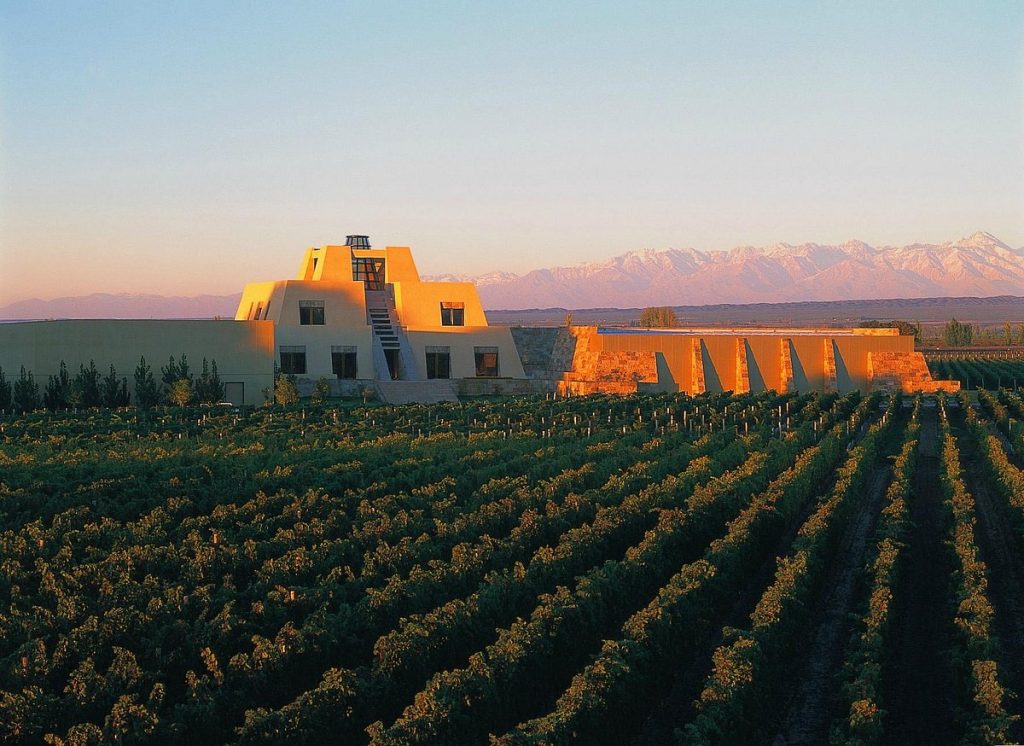
Bodega Catena Zapata in Agrelo, Mendoza, Argentina
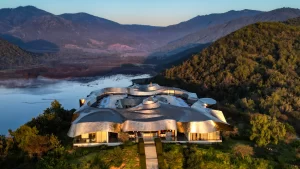
The Americas respond with audacity and relentless positioning. In the World’s Best Vineyards ranking — voted on by more than 350 Masters of Wine — Argentina commands 34% of the top 50 distinctions, led by the iconic Mayan pyramid of Catena Zapata in Mendoza. Chile competes with VIK‘s avant-garde design and titanium roof, while in Napa Valley, Robert Mondavi remains the definitive historical benchmark for Cabernet Sauvignon.
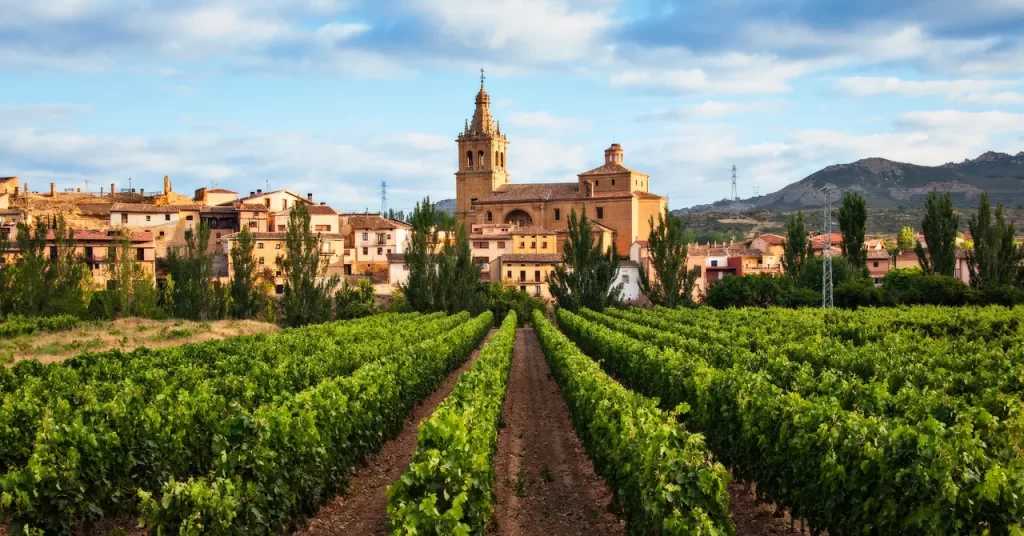
Haro, La Rioja, Spain
The phenomenon draws a decidedly high-caliber visitor profile and is sustaining annual growth of 12%. Even in emerging markets such as Mexico — where demand for premium experiences continues to rise — routes through Baja California and Querétaro are replicating this model, transforming wine tourism into a destination of investment, culture, and international prestige.


 '
'