Legacies of Our Third World Cup
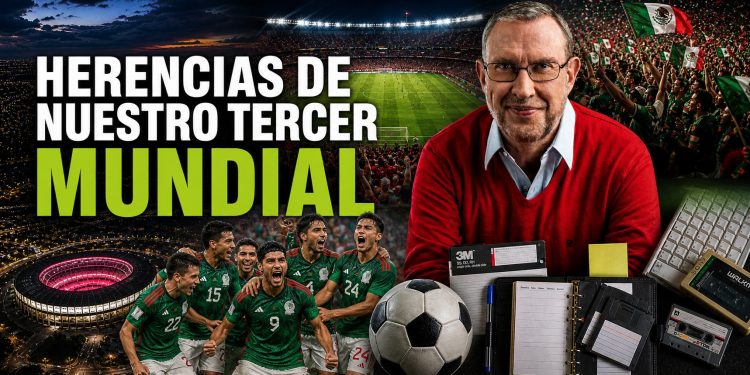

Mexico stands once again at one of those rare moments when sport transcends the pitch. With months to go before the country hosts another World Cup, the conversation extends well beyond stadiums, national teams, and tourism — it demands an honest reckoning with what endures after the spectacle fades.
Every World Cup functions as a mirror of its time. Technology, infrastructure, economics, social tensions, and urban transformation are placed under a global lens for all to examine. From 1970 to 2026, the country has fundamentally altered not only its relationship with football, but its engagement with innovation, connectivity, and its own standing on the world stage.
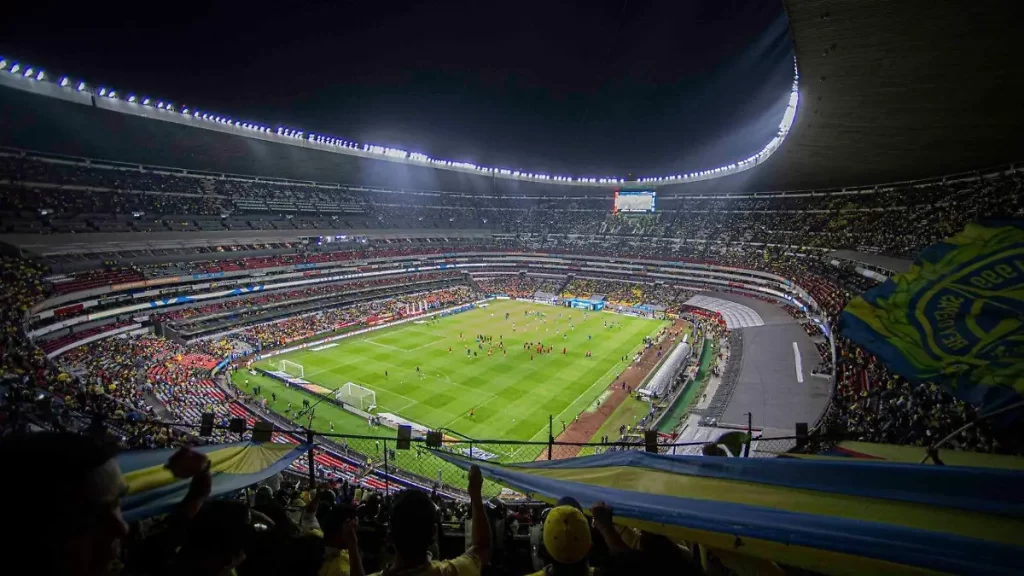
What once represented modernity now confronts an entirely new set of questions: artificial intelligence, surveillance, mobility, consumption, and economic legacy. In that landscape, the ball remains the protagonist — but also a vehicle for reflection on the conditions that shape a nation.
Beyond the ninety minutes, the true measure of a World Cup lies in the structures it leaves behind.
-Expert Voice- Francisco Javier González, in the Elite Business edition.
Read what matters.



 '
'