Isaac del Toro and His Encounter with Destiny
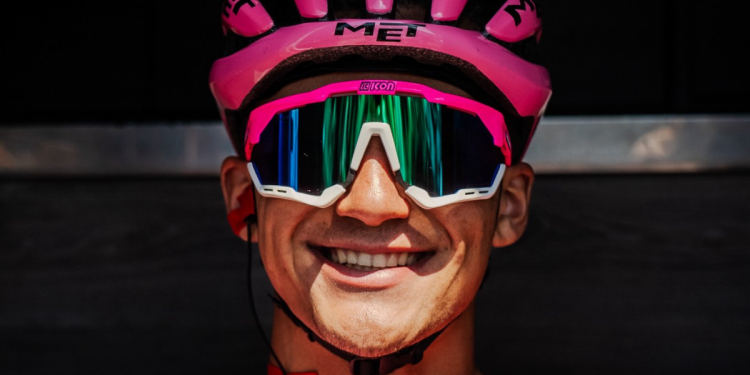
There are people who are paradoxically destined for greatness yet seem to have fate working against them — the aspiring firefighter born at the North Pole, the would-be surgeon who cannot bear the sight of blood.
A young man named Isaac del Toro ran headlong into precisely this kind of cosmic trap. He decided he wanted to be a cyclist, yet was born in Ensenada — a city made for surfers, baseball players, and soccer fans, a place with neither hills nor mountains to speak of.
It began because his mother wanted her sons to play sport, and his father, Joe del Toro, had been a cyclist himself — well placed to show them the way. He bought a bicycle for Adrián, the eldest. Isaac, two years younger, watched his brother pedal with growing fascination. He liked what he saw. It was not long before he asked his father for a bicycle of his own. He would watch the Tour de France on television during the era of Nairo Quintana and Chris Froome.
By the age of seven he was training with unusual discipline and eating like an athlete. While still in primary school, he asked to be entered in his first competitive races — both road and mountain.
He was not the fastest. He understood that immediately. He worked at it steadily, without surrendering everything to the sport. School and his friends remained part of his world.
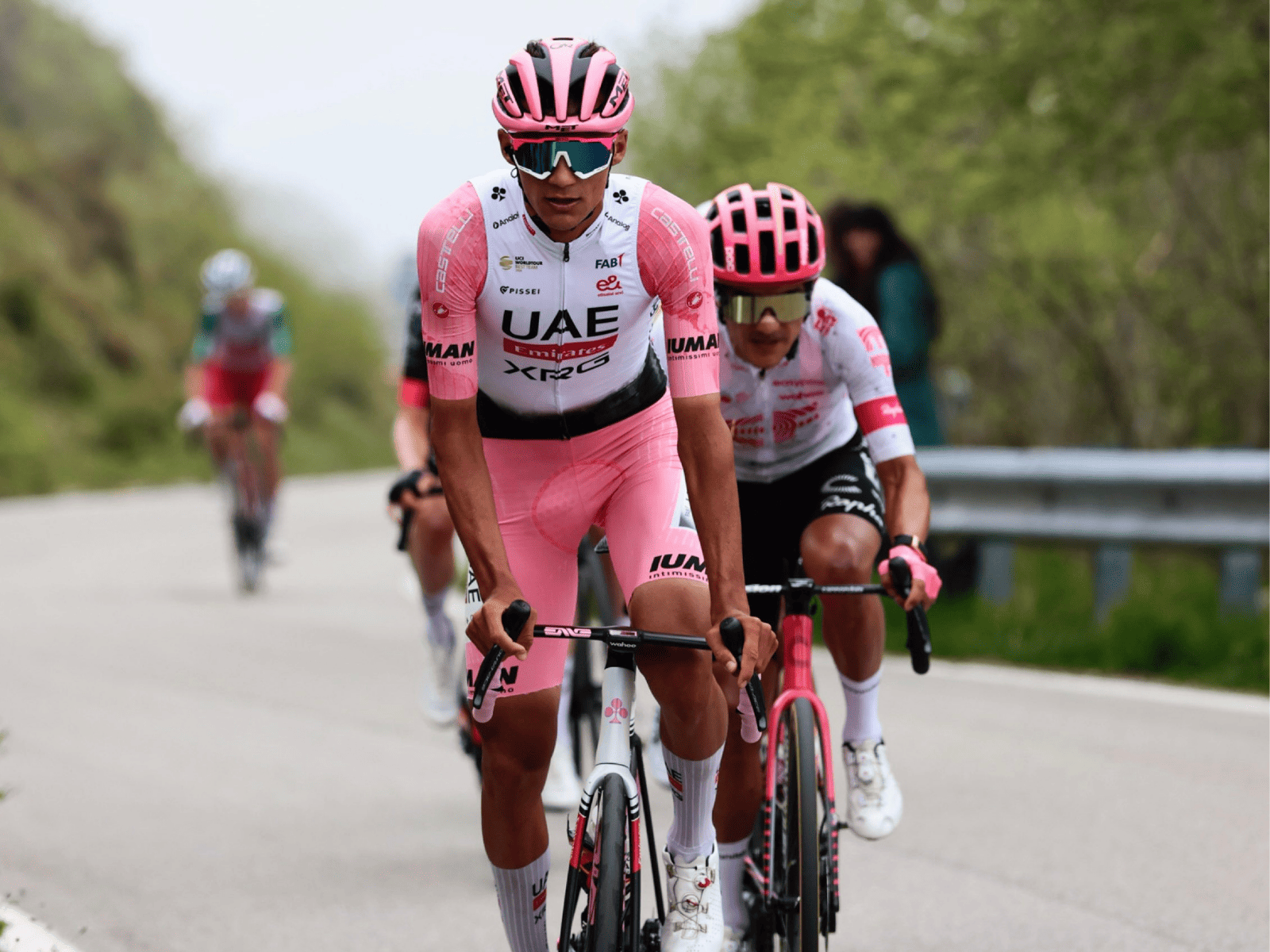
As time passed, cycling claimed an ever-larger share of his ambition. He asked his father to take him to ride the road to the Nevado de Toluca — above 4,500 meters — and the Desierto de los Leones, at more than 3,000 meters. He needed to put himself to a serious test: to discover how his body responded to the demands of altitude and extreme endurance in an environment utterly unlike his own.
Dreams gradually became obligations to be met. By fifteen, Isaac understood that if he wanted a professional career, he had to go to Europe.
Someone showed him an advertisement in the newspaper: AR Monex, a Mexican company based in San Marino, was recruiting riders for its cycling team. With the urgency of a sprinter hitting the final meters, Isaac submitted his application at full speed.
He passed the selection process, and the good news pushed him toward a difficult decision: to change his life entirely. He left for Europe, saying goodbye to everything — family, school, friends, comfort.
His first encounter with European cycling was brutal. Reality proved a merciless teacher. The level was far higher than anything he had anticipated. Together with his team, he was living inside a bubble — one that the pandemic shattered along with the rest of the world.
Life came to a halt everywhere. He was forced to return home and ride alone on Mexican roads while the nightmare ran its course. He returned to Europe in 2021. He competed in the Junior Road World Championships and a time trial in Belgium. He appeared ready to race the Tour de l’Avenir — cycling’s junior equivalent of the Tour de France — but fate moved against him once more. A crash, one of many in that period, fractured his femur and brought everything to a stop. He spent twenty days in hospital and was unable to ride for seven months.
Beyond the physical recovery, he had to wage a separate battle against the ghosts threatening him mentally. The nights were very long, consumed by the fear that his career might be over before it had truly begun.
What came after that recovery — as grueling as any summit in the Pyrenees — was a definitive statement. In 2023, Isaac not only competed in the Tour de l’Avenir; he won it decisively, in a display that Italy’s La Gazzetta dello Sport described as a rout. He led the general classification from start to finish, claimed the points jersey, the mountain classification, and the best young rider award.
In the punishing landscapes of European racing, a cyclist may appear to ride alone — but he never truly does. Thousands of eyes follow every move, and among those watching Del Toro that year were the scouts of every major team in the peloton.
His victory was rewarded with a contract through 2029 from the most consequential team in professional cycling: UAE Team Emirates, with an annual budget of sixty million euros. The team generates four hundred million in sponsorship revenue alone and counts among its roster several of the finest riders in the world, including the extraordinary Slovenian Tadej Pogačar.
The first major race Isaac started in that jersey was this year’s Giro d’Italia — alongside the Tour de France and the Vuelta a España, one of the three grand monuments of the sport. What followed astonished everyone, including Isaac himself.
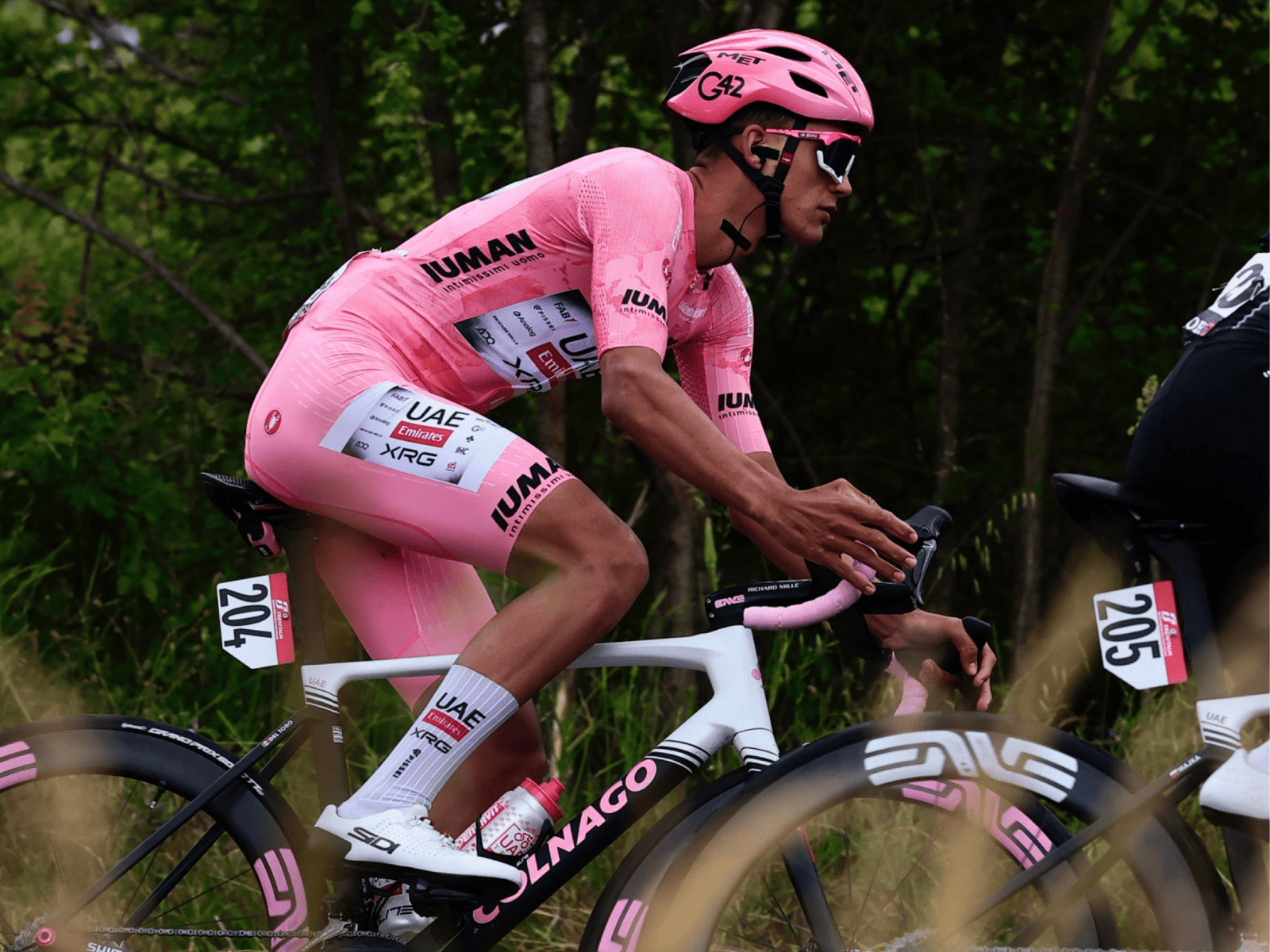
He wore the maglia rosa — the leader’s pink jersey — from stage nine through stage nineteen: eleven consecutive days, earning every superlative in the dictionary. He lost the lead on the penultimate stage after a ferocious tactical battle against Ecuador’s Richard Carapaz — a contest from which Simon Yates profited, advancing to first place in the general classification while the two rivals neutralized each other in the final kilometers. The setting was the Via Lattea, the unforgiving mountain route finishing in Sestriere — the same terrain where, seven years earlier, Chris Froome had wrested the Giro from a fellow Briton in identical fashion.
Del Toro will write many more battles with a mind forged in steel. Despite finishing as Giro runner-up, claiming the maglia bianca as the best rider under 25, and commanding front pages across Europe, he has made his intentions perfectly clear. “Finishing second is no consolation,” he said. “It’s the place of the first loser. Everything I have worked for, I have worked to win. Nothing else interests me.”

 '
'