WOMEN’S POLO: THE TEAMS RESHAPING COMPETITION IN ARGENTINA, SPAIN, AND MEXICO
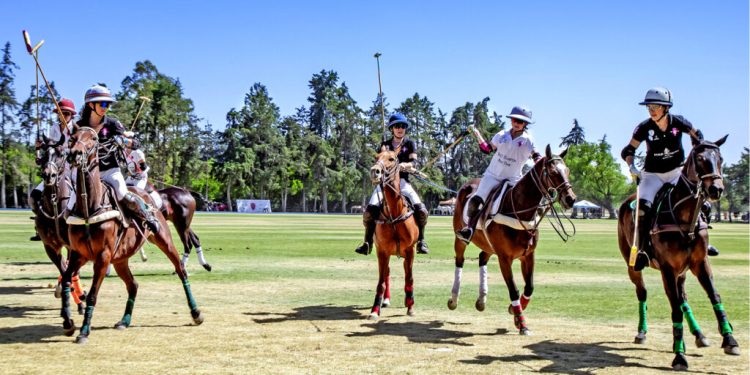
Women’s polo is in the midst of a decisive consolidation across three key markets: Argentina, Spain, and Mexico. Far from operating as a footnote to the men’s circuit, the discipline now commands its own teams, dedicated tournaments, and a growing international profile that is fundamentally reshaping the competitive landscape.
In Argentina, progress is anchored in historic institutional structures. Clubs such as La Dolfina Polo Club and Ellerstina Polo Club have developed women’s programs with formal calendars and participation in high-level tournaments, driving a sustained professionalization of the women’s game.
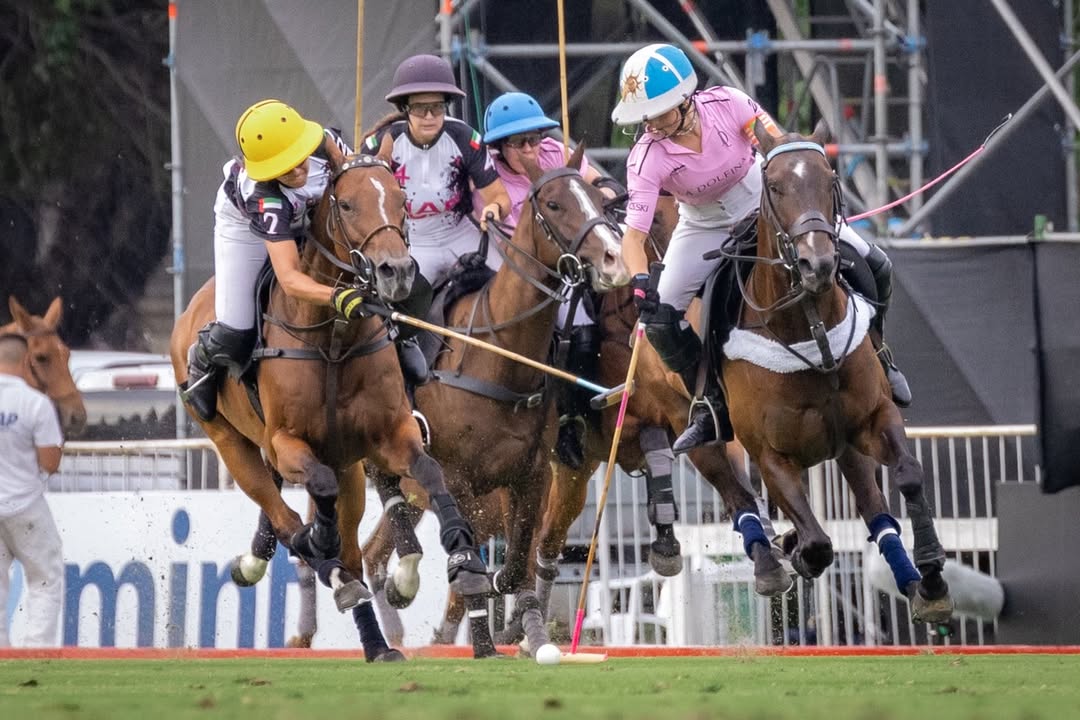
La Dolfina Polo Club
In Spain, venues such as Santa María Polo Club and Ayala Polo Club are home to women’s teams with genuine international ambitions and active sponsorship, integrating women’s polo as a strategic pillar of the European calendar.
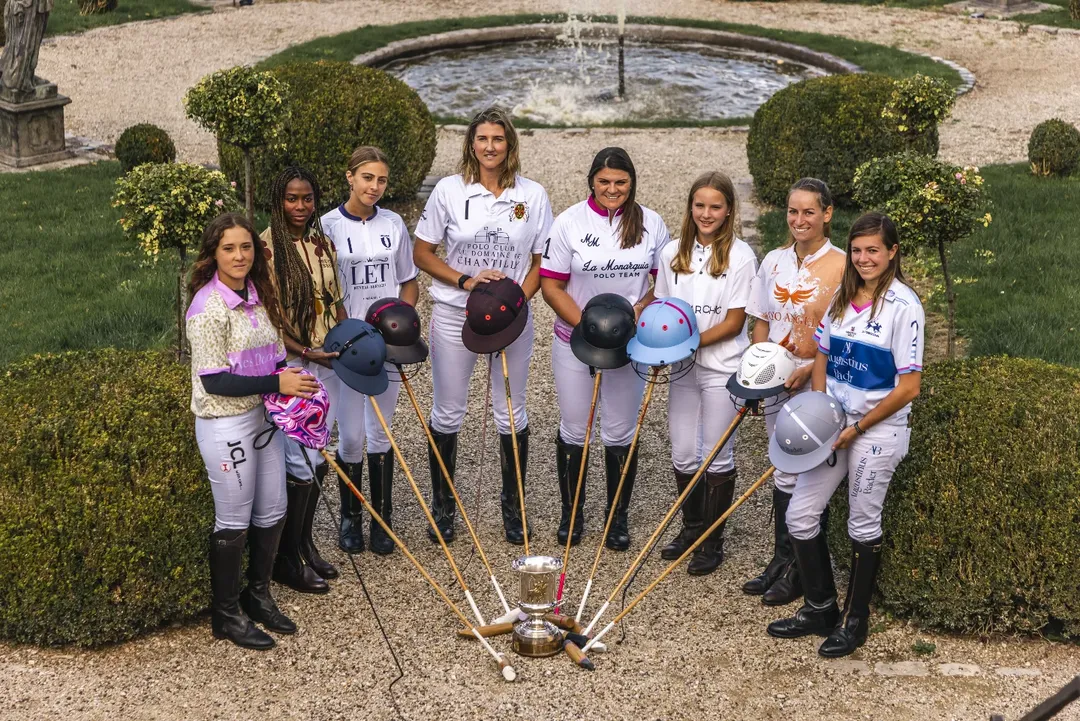
Ellerstina Team
In Mexico, the development of women’s polo is beginning to take shape through platforms that prioritize visibility, organization, and brand alignment. Initiatives such as Pink Polo México have carved out a space where the women’s game intersects with partners from the equestrian world, fashion, and lifestyle — creating arenas for competition, exhibition, and strategic positioning.
You may also like: The New Generation of Mexican Riders on European Circuits
More than a formal team, Pink Polo México operates as a catalyst — connecting players, venues, and brands committed to professionalizing the experience around women’s polo. The model strengthens the sport’s narrative, attracts strategic sponsorship, and lays the groundwork for a more sustainable structure in which commercial backing becomes a decisive factor in the growth and international projection of women’s polo in the country.
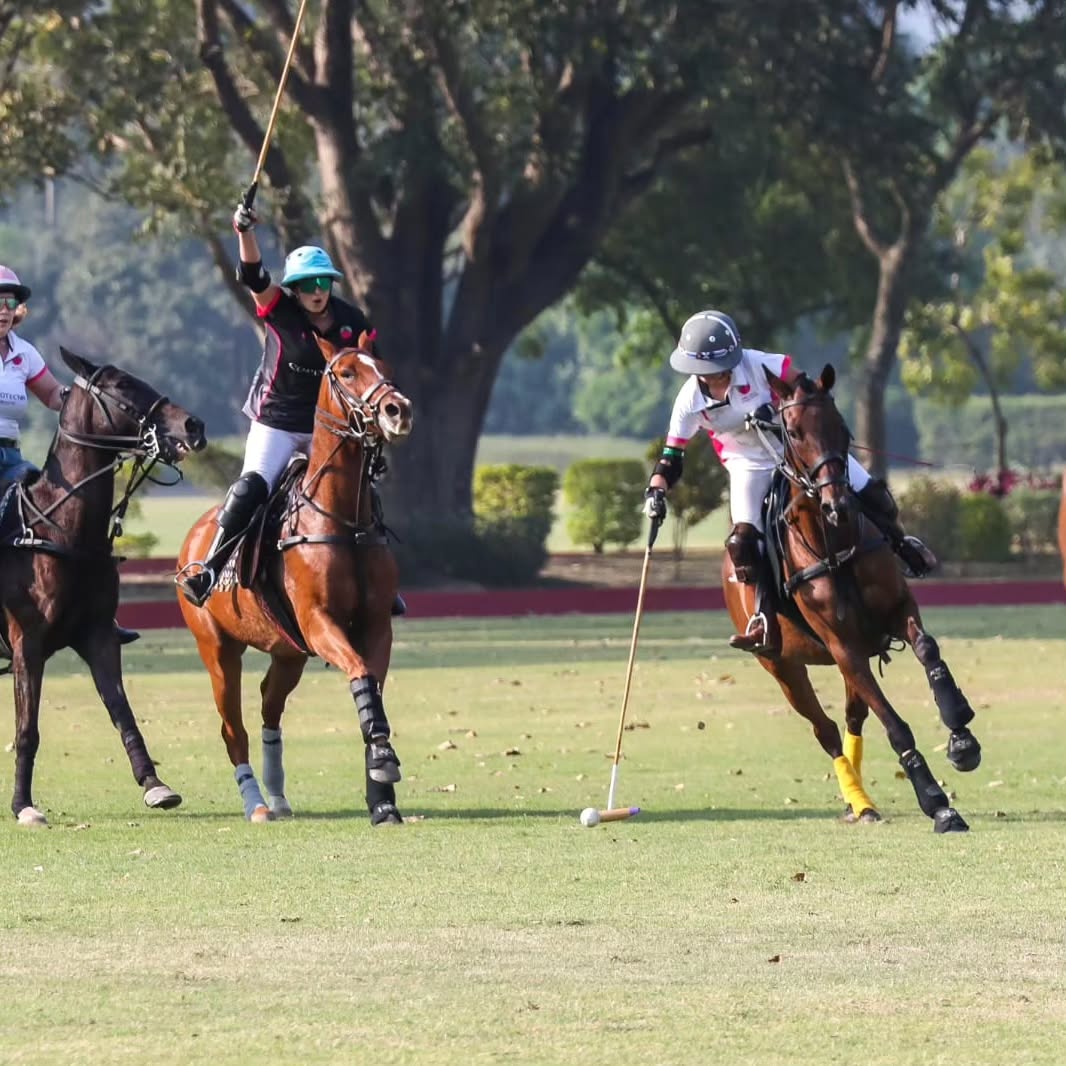
Torneo Pink Polo Club México
Across all three countries, women’s polo is marking a clear shift in how the sport is played, organized, and presented to new audiences.


 '
'