The Takeoff of Pilotless Urban Air Mobility
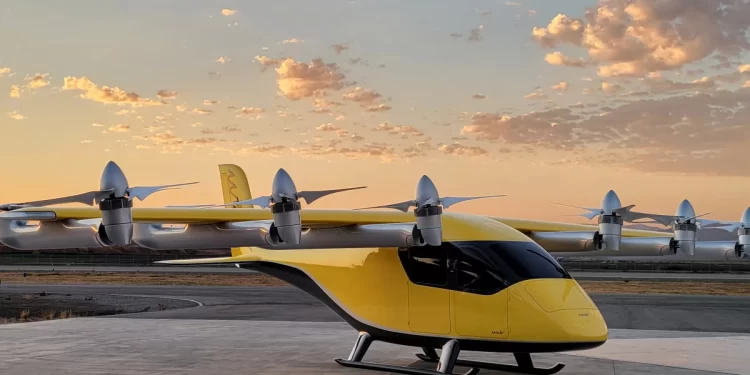
As 2025 draws to a close, Wisk Aero, the Boeing-backed company, completed the first flight of its sixth-generation electric vertical takeoff and landing aircraft. The milestone marks a meaningful advance in the race to integrate autonomous air mobility into urban environments.
The aircraft — designed from the outset as a pilotless air taxi — executed the critical phases of flight with precision: vertical takeoff, stabilized ascent, and autonomous transit. Beyond the technical achievement, the test validates an architecture conceived entirely for operation without direct human intervention, relying on redundant systems and remote ground supervision.
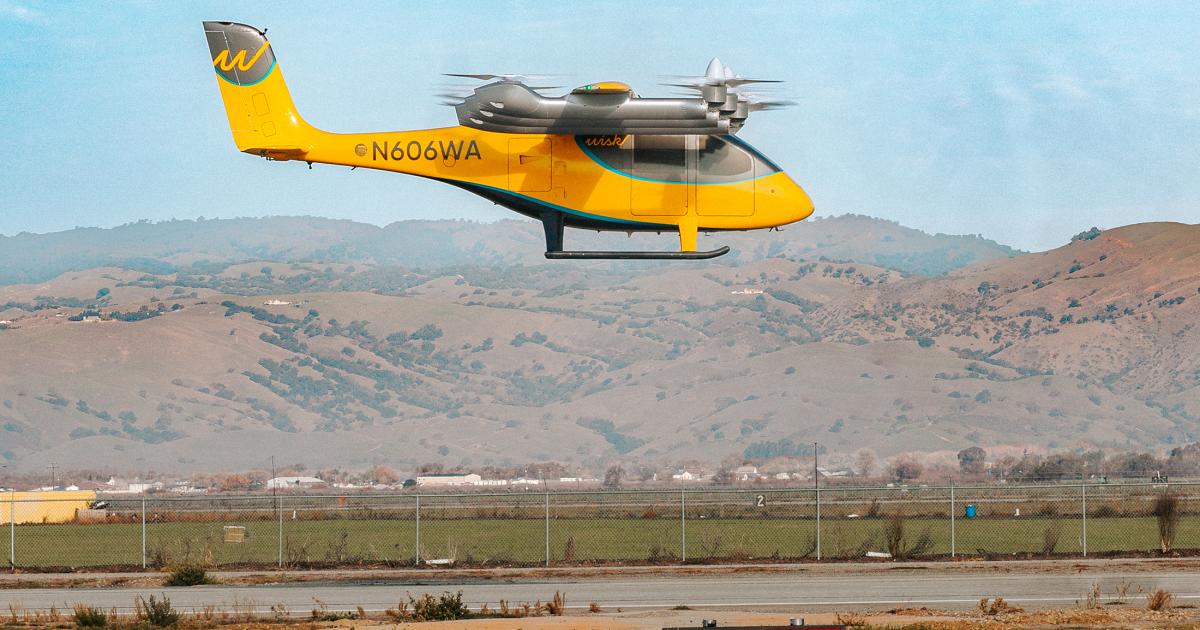
This advance is part of a long-range strategy. Wisk Aero has developed six consecutive generations of eVTOL aircraft, accumulating thousands of test flights that feed directly into its certification process with aviation authorities. The company’s focus remains fixed on building a platform capable of integrating with complex regulatory frameworks and existing airspace infrastructure.
The commitment to full autonomy redefines the business model of urban air mobility. Eliminating the pilot fundamentally alters operating costs, scalability, and commercial viability in dense cities — where efficiency and safety are not merely priorities, but prerequisites.
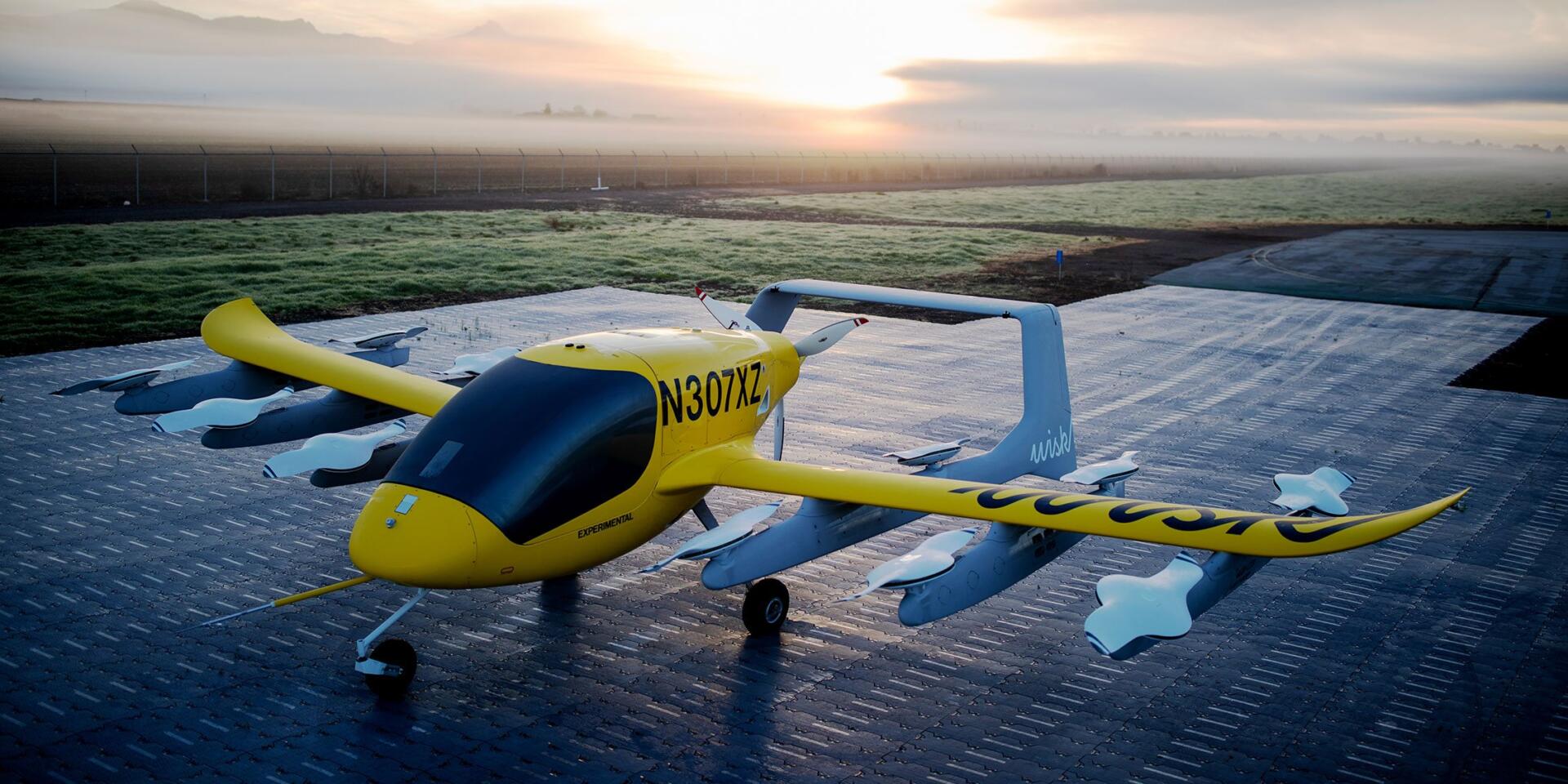
The sixth generation’s inaugural flight is a clear signal of technological maturity and industrial intent. Pilotless air mobility is leaving the conceptual stage behind — entering a phase in which certification, integration, and controlled deployment define the real challenge ahead.


 '
'