The New AI Race Is Already in Orbit
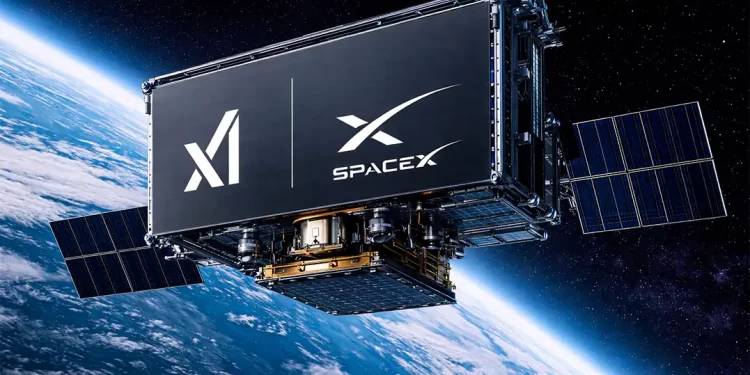
Elon Musk envisions a future where computing power is built beyond Earth: a constellation of up to one million satellites serving as orbital AI data centers.
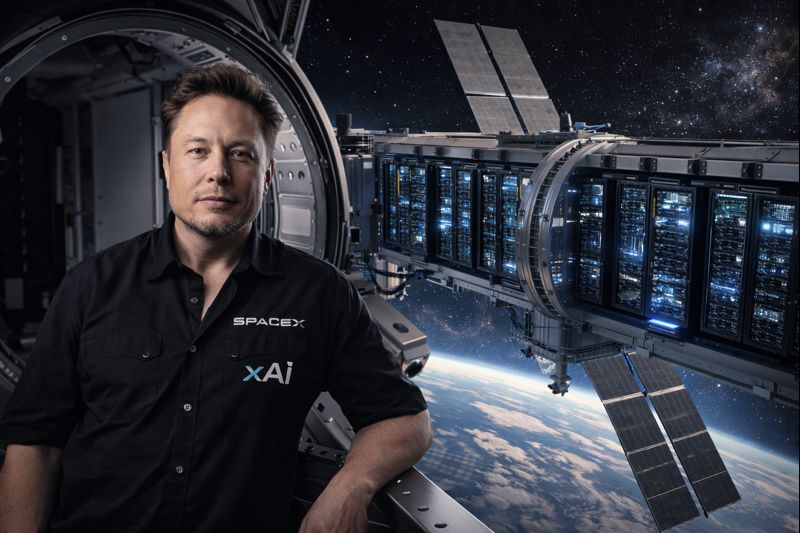
Within the SpaceX x xAI ecosystem, the conversation has moved well beyond rockets and chatbots. It is now about infrastructure — where the next decade of artificial intelligence computing will be housed, and who will control the energy required to sustain it.
The premise went viral on the strength of a single phrase from Musk: a “conscious sun” built from satellite constellations, capable of capturing solar energy and converting it into processing capacity in orbit. The vision rests on technologies already operational — Starlink, Falcon, Starship — lending it a credibility that purely theoretical proposals lack.

Separately, SpaceX is reported to have sought regulatory authorization for a constellation of up to one million satellites oriented toward “orbital data centers,” citing the capacity constraints of terrestrial infrastructure. The proposal raises significant technical, environmental, and orbital-congestion questions — and is already accelerating a debate that other technology companies are watching closely.
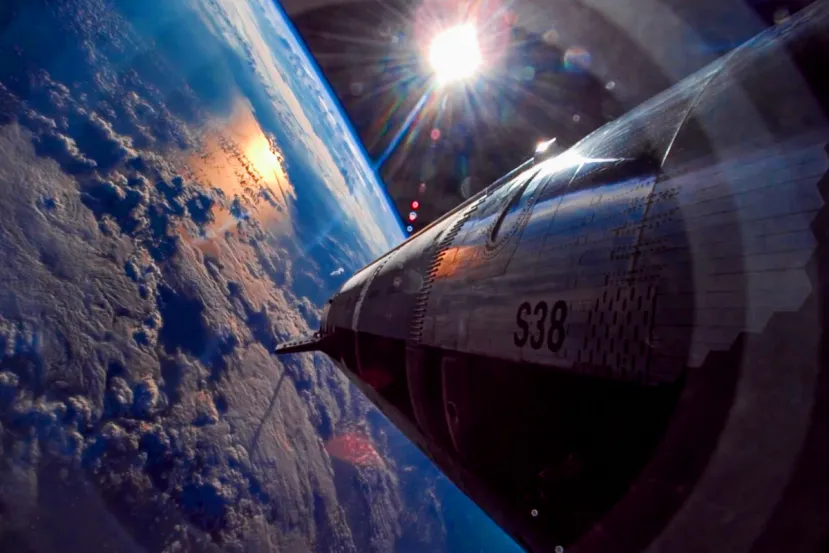
For business leaders, the strategic implication is unambiguous: artificial intelligence is beginning to read as an energy and logistics industry. Should computing migrate to orbit, the rules governing cost structures, regulation, technological sovereignty, and data access will be fundamentally rewritten. That conversation is, at present, still in the design phase — but it is moving quickly.


 '
'