When Construction Becomes Part of the Strategy
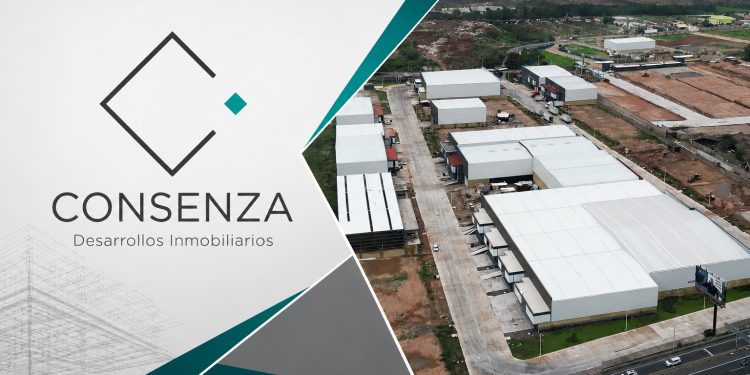
The location of a plant, the layout of an industrial facility, or the design of a corporate headquarters are often treated as operational decisions. Yet a growing number of companies are discovering that infrastructure has a direct bearing on competitiveness.
A well-planned project can optimize workflows, streamline processes, improve internal logistics, and support an organization’s growth for years to come. Construction, then, ceases to be merely a phase in a company’s development — it becomes a strategic tool.
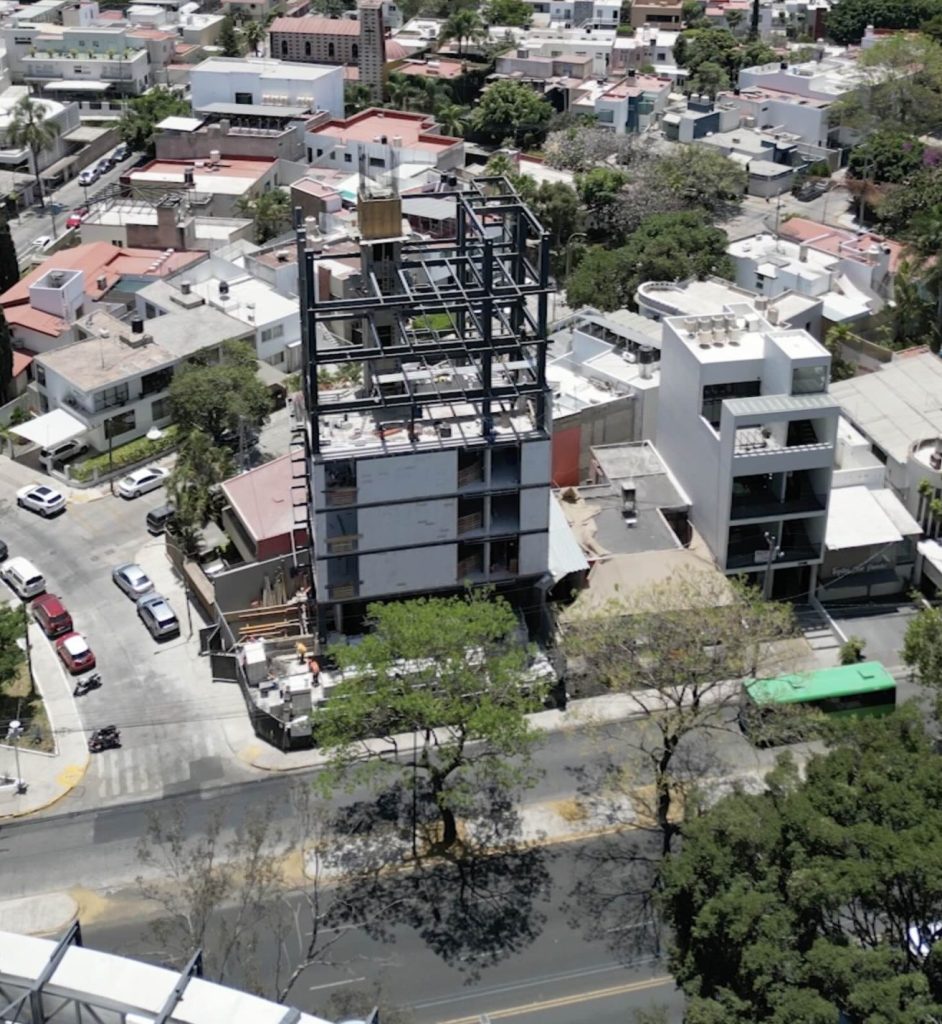
In an environment where efficiency and adaptability are decisive factors, spaces must respond to needs that are in constant flux. Companies require facilities capable of integrating new technologies, scaling production capacity, and adjusting to shifting operational demands — all without compromising day-to-day performance.
It follows that the value of a project begins long before groundbreaking. Planning, engineering, architectural design, and the coordination of every specialty have a direct impact on the results an organization will achieve once a space enters operation.
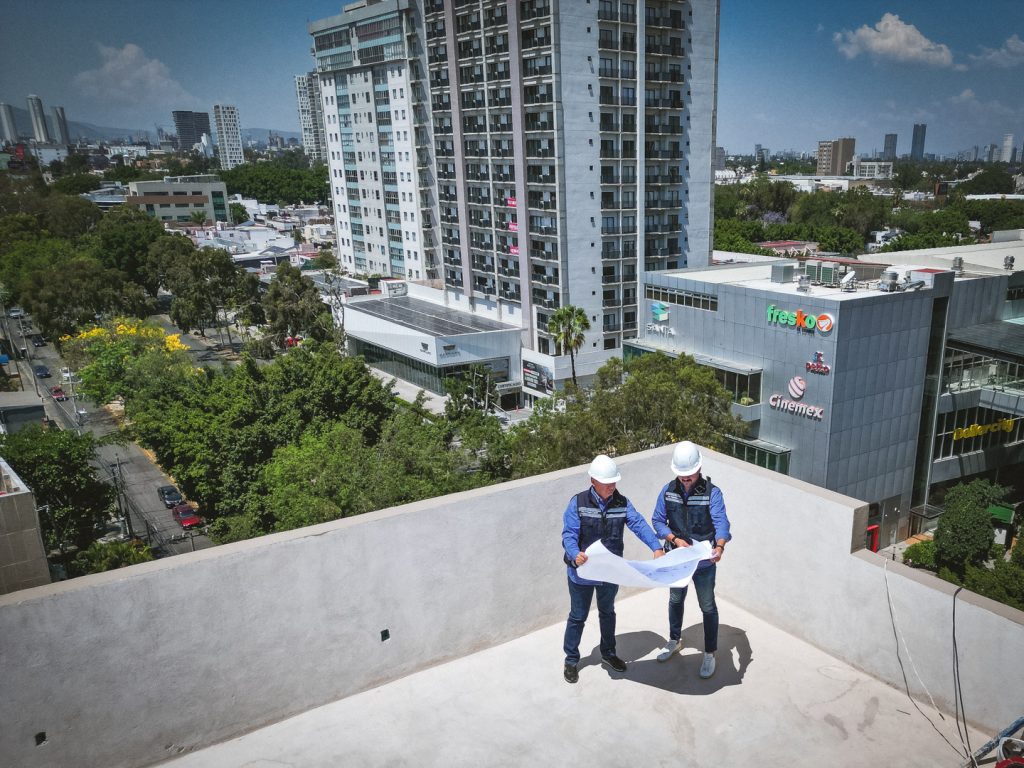
For more than three decades, Consenza has participated in the development of industrial, corporate, and real estate projects under this integrated vision. Their experience confirms a reality that is becoming increasingly self-evident in the business world: decisions made about physical space have a direct influence on productivity, efficiency, and the capacity for growth.
Construction remains a significant investment. Designing with the future in mind can transform that investment into a lasting competitive advantage.
More in this issue of Elite Business
Read what matters.


 '
'