What Is the Future of the USMCA?
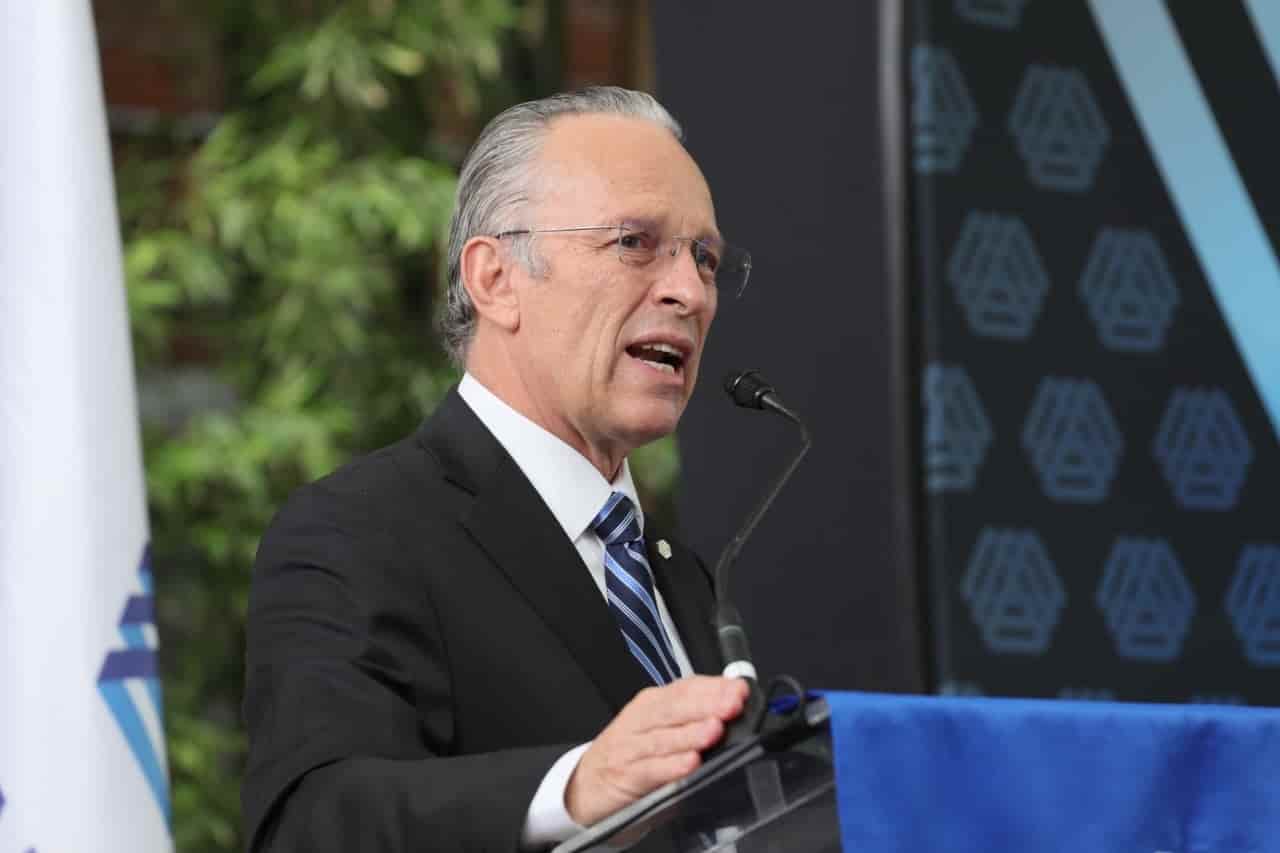 José Medina Mora Icaza Founder and Chairman of the Board of CompuSoluciones
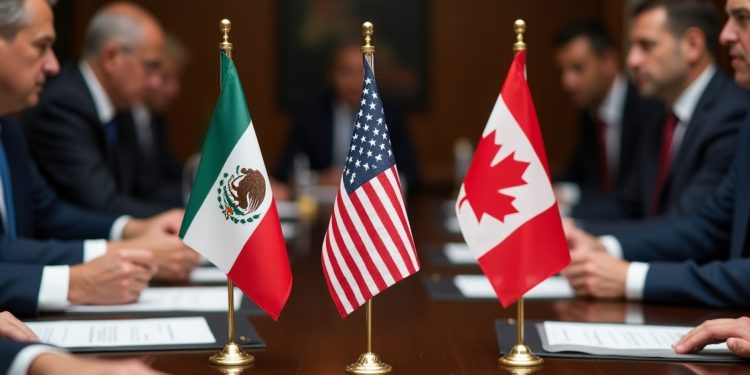
The USMCA entered into force on July 1, 2020, following months of negotiation and collaboration among the governments, business communities, and specialists of all three countries. Its primary purpose is to advance the region’s economic integration through concrete measures, a clear institutional framework, and defined rules for free trade and investment certainty — building on the foundation laid by NAFTA, the predecessor agreement that governed North American commerce for 26 years.
Over the years since its implementation, the USMCA has substantially deepened the commercial relationship between Mexico and the United States — Mexico’s most consequential trading partner — while catalyzing highly promising processes such as nearshoring. Where disputes have arisen or one party has taken questionable unilateral action, the agreement’s own mechanisms have been activated to resolve them.
The arrival of a new administration in Washington, however, has introduced a series of actions that run directly counter to the USMCA’s established framework. The imposition of tariffs on Mexican and Canadian exports of aluminum, steel, and automobiles — among many other products — is a clear example of measures that contradict the rules both nations agreed to honor.
In response, both Mexican authorities and business organizations have moved quickly to engage their counterparts in search of workable solutions. Left unresolved, these tensions will continue to erode a commercial relationship whose underlying economies are already deeply intertwined.
For Mexico, the imperative is to prepare as swiftly as possible — marshaling every argument that speaks to the depth of North American integration across the automotive, technology, and manufacturing sectors, and making unmistakably clear the losses that treaty cancellation would impose on all parties.
At a moment of profound shifts in the global order and intensifying commercial competition among nations, North America has the capacity to become even more competitive — provided that fair rules are established, agreements are honored, and the conditions that have made nearshoring viable are actively reinforced.
Mexico must also continue addressing its domestic challenges: guaranteeing security, clean energy, and infrastructure; ensuring legal certainty for investment; and steadily improving its competitive position so as to diversify its economy and arrive at the negotiating table with the strongest possible hand.
The future of the USMCA will be determined in the months ahead. Mexico must be ready.


 '
'