The World Cup Comes Home

By Francisco Javier González
Only 30 percent of Mexico’s population has ever experienced a World Cup on home soil.
According to the most recent national census, conducted in 2020, those old enough to have witnessed the 1986 tournament — 44 years of age or older — represent fewer than a third of the country’s current inhabitants. The majority of Mexicans have never known what it means to host the world.
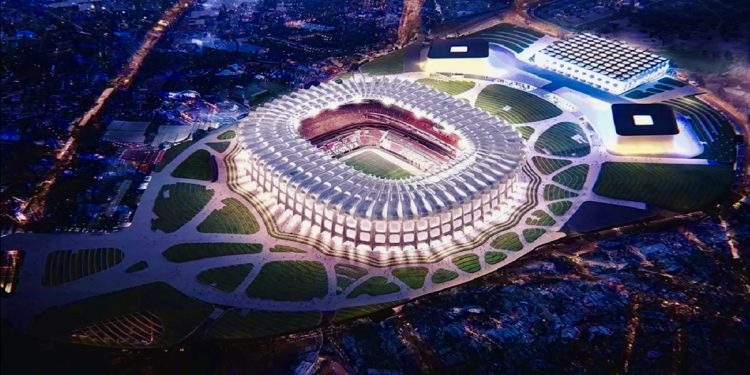
That changes on June 11, 2026, when Mexico opens against South Africa. The day will mark a historic milestone that may never be surpassed: the Estadio Azteca will become the only venue in history to have hosted three FIFA World Cup opening matches.
This edition will break every precedent. Where Mexico 70 featured 32 matches among 16 competing nations — organized into four groups of four — the 2026 tournament will stage 104 matches across 48 national teams, drawn into 12 groups of four.
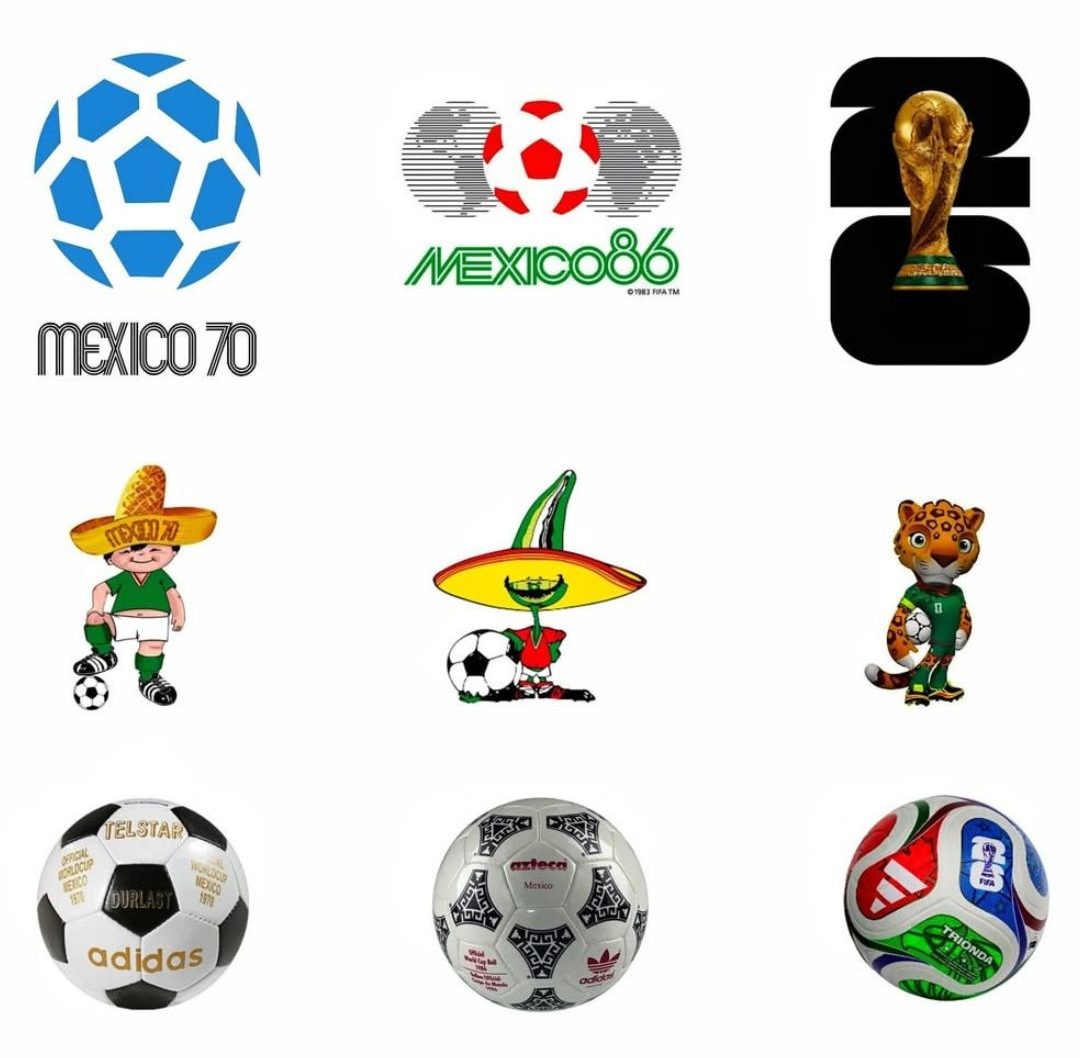
It is, by every measure, the largest World Cup in history — the most participating nations, three host countries, and a duration of exactly 39 days.
The stadiums of Mexico City, Guadalajara, and Monterrey will become cathedrals for the devoted. Their legacy extends beyond renovation: they will set a new standard that compels venues across the republic to evolve. The 2026 tournament will leave lasting marks on the country, as the two previous editions did before it.
Discover the decisions that reshaped the game, the risks taken, the moments when Mexico was tested and answered the call. Because the 2026 World Cup is not simply returning to Mexico — it is coming home.
More in this issue of Elite Business.




 '
'