The Thyssen-Bornemisza Presents Proust and the Arts: An Immersive Exploration of Literature and Painting
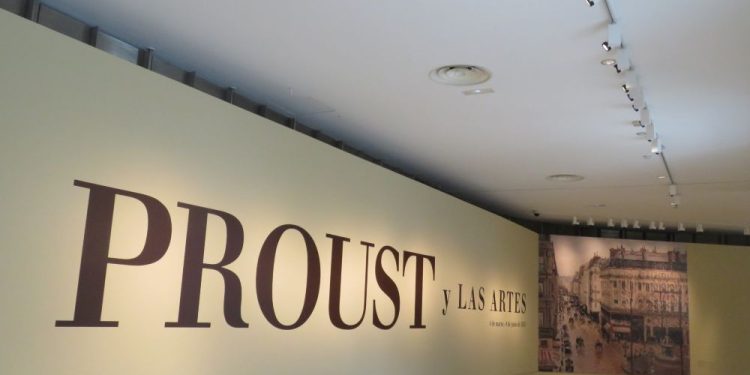
The Museo Nacional Thyssen-Bornemisza in Madrid has once again affirmed its standing as a leading destination for original artistic inquiry with its new exhibition, “Proust and the Arts.” Open from March 4 to June 8, 2025, the show centers on the towering figure of Marcel Proust, weaving a pictorial narrative that connects his life and work to the vibrant world of visual art. Following in the tradition of celebrated exhibitions such as “Picasso/Chanel,” this new project promises to open fresh perspectives on creativity — drawing literature and the visual arts into an unexpectedly intimate conversation.
Curated by Fernando Checa, the exhibition does not position itself as a survey of Proust’s literature, though select passages from his masterwork In Search of Lost Time are presented throughout. Checa is emphatic on this point: “This is not an exhibition about literature — it is an exhibition about art,” allowing visitors to encounter the works through the aesthetic sensibility and ideas that shaped the author’s vision. The connection between Proust and painting is illuminated through the figure of Elstir, the fictional painter at the heart of his novel, who serves as a guiding thread for exploring Impressionism and the personal relationships Proust cultivated with artists of his era — among them Édouard Manet and Claude Monet.
The exhibition also foregrounds Proust’s fascination with the technological advances of his time. Living through the transition from horse-drawn carriages to the automobile, the writer was a passionate observer of modernity in motion. Paintings that capture movement, machinery, and the rhythms of urban life stand as testimony to his admiration for the accelerating pace of contemporary existence. The dynamic between technology and art emerges as a central theme, illuminating how these transformations left an indelible mark on his creative and narrative vision.
Two cities play a defining role in Proust’s imaginative universe: Paris and Venice. Paris — with its theaters, grand boulevards, and irrepressible urban energy — is rendered through works that capture figures moving through its streets, while Venice is evoked as a place of mystery and lingering decadence, precisely as Proust described it. Both cities, fundamental to the writer’s inner world, did not merely influence his life; they saturated his literary output, offering exhibition visitors an immersive encounter with the environments that shaped his thought.
Finally, Proust’s connection with Spain is revealed through the work of Mariano Fortuny and Raimundo de Madrazo, both represented in the show. Exquisite textile creations — among them Fortuny’s iconic Delphos gown — reflect the writer’s profound admiration for fashion and aesthetic beauty, uncovering a lesser-known but thoroughly captivating dimension of his world. Checa hopes that visitors will leave not only enriched by the exhibition itself, but compelled to venture into Proust’s literary universe. “Once you enter his world,” he concludes, “it holds you completely” — a fitting tribute to an author who, as he himself once claimed, sought to encompass “everything and explain everything.”


 '
'