The Photographic Eye of a Forgotten Modernist Genius
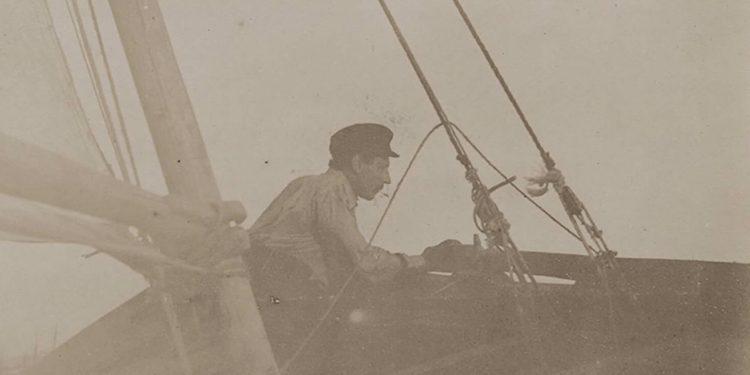
Photography in Čiurlionis: ‘Anapa 1905’
Discover how this Lithuanian innovator contributed to artistic photography at the height of European modernism.
Mikalojus Konstantinas Čiurlionis, a name that resonates with force in the universe of modern art — not only for his remarkable pictorial legacy, but for a dimension that remained, for a long time, a well-kept secret: his photographic work. Largely overlooked, Čiurlionis (1875–1911) stands as a powerful symbol of Lithuanian identity at a defining moment in his nation’s history, and his photographic album Anapa 1905 has revealed an entirely new dimension of his creativity. His images — frequently dreamlike and abstract — reflect an intimate connection with nature and Lithuanian mythology, while exploring themes of national identity at a time when Lithuania was living under the weight of the Russian Empire.
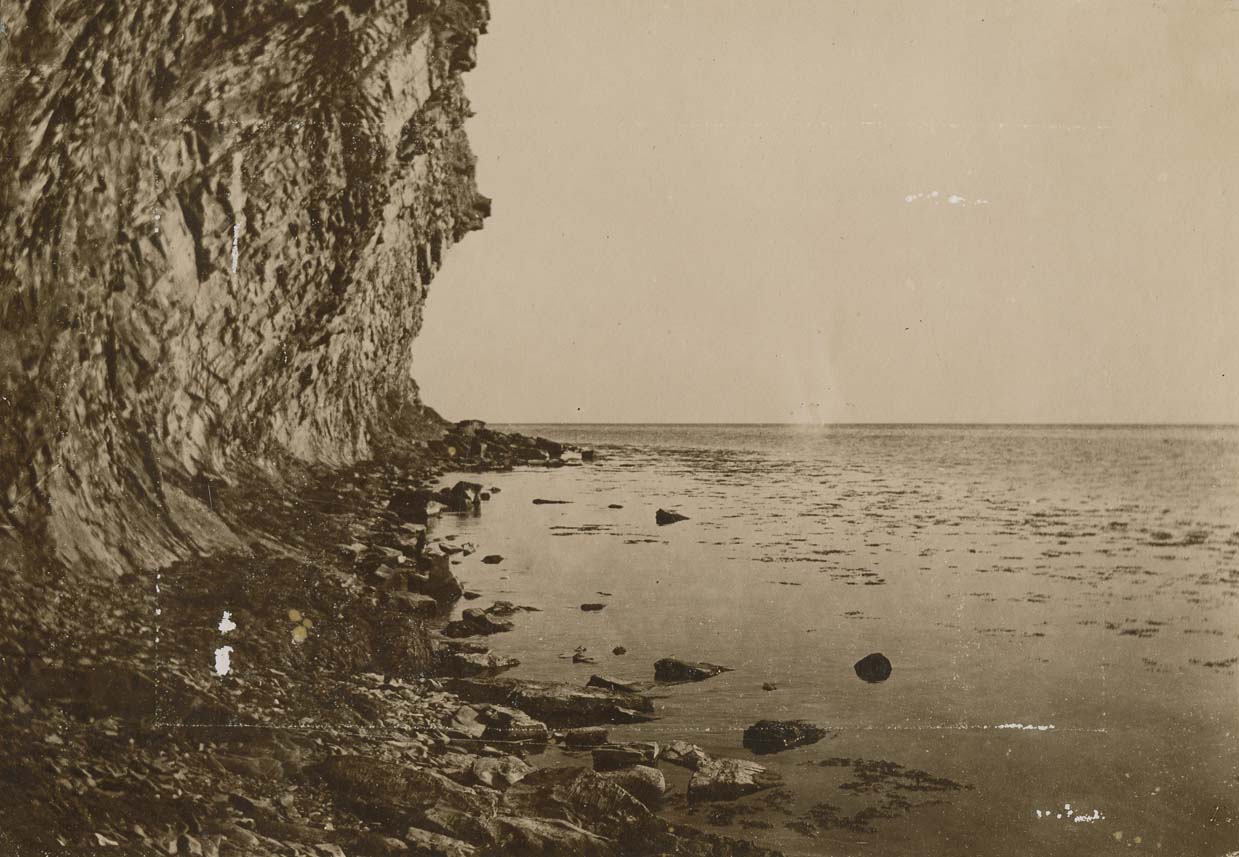
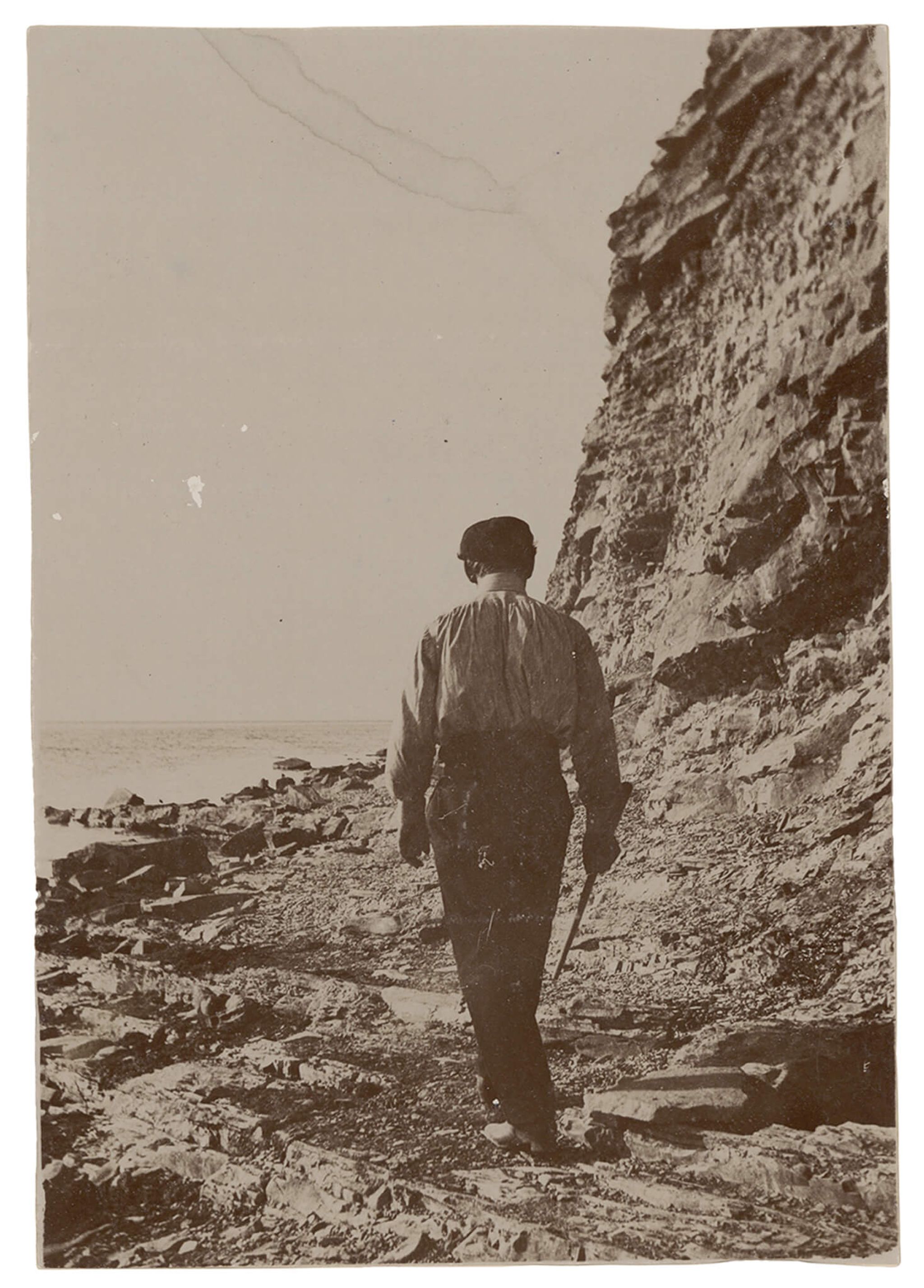
The exhibition Čiurlionis: Previously Unknown, organized in 2000 by the National Museum of Art of Lithuania, brought to light forty-seven photographs the artist had taken in Anapa. The discovery serves as a compelling reminder of the role photography played as a medium of artistic expression in the early twentieth century — an era in which painting was liberating itself from its purely representational function. Čiurlionis, much like his contemporaries Pablo Picasso and Edgar Degas, wielded the camera not as an auxiliary tool but as a legitimate medium for exploring his singular vision of the world — affirming that art is not an exclusive domain but a universe of limitless possibility.
The photography of Čiurlionis: a new artistic horizon that demands recognition. In his series of black-and-white photographs, Čiurlionis captures a landscape surrendered to the force of nature: storm-churned seas, rocky coastlines, and vessels silhouetted against a brilliant sun. Each image is a whisper of its time — and a deliberate manipulation of glass negatives that betrays a deep engagement with technique. Far from mere visual documents, these photographs form a unified whole with his broader aesthetic ideas. His visual language extends beyond color and form, seeking the very essence of human experience through nature.
Yet the legacy of Čiurlionis has not always been accorded its proper weight. Anglo-American centrism has long relegated many Eastern European artists to the margins, systematically undervaluing contributions as significant as those of Čiurlionis. To enter the richness of his photographic work is to confront the enduring and complicated dialogue around photography as art — a debate that has persisted for more than a century and that invites us to question what truly defines a work of art.
The photographic work of Mikalojus Konstantinas Čiurlionis offers not only a new lens through which to encounter his unsettling visual world, but a challenge to art history itself — to make room for voices that have been excluded for generations. In every image of Anapa 1905, Čiurlionis weaves his soul into the essence of Lithuanian identity, producing a visual testament that resonates with a profound sense of belonging and freedom. This body of work is not merely an act of reclamation — it is a reminder that art will always be the space where the human and the immaterial converge.



 '
'