The Future of Energy
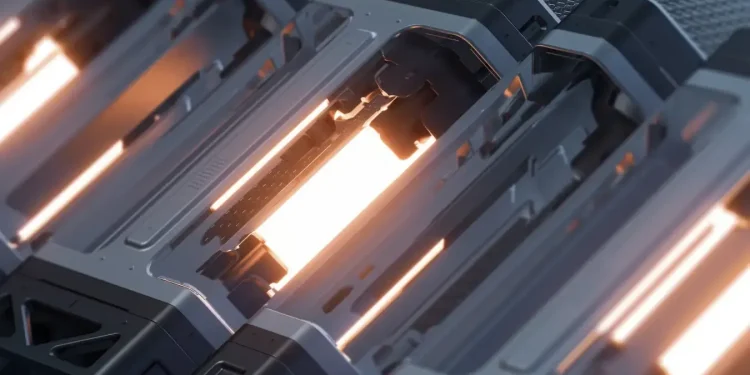
A team of scientists in China has begun laying the theoretical foundations for the quantum battery of the future — devices that will harness the physical properties of atoms to store energy more abundantly and more efficiently than conventional batteries, which rely on electrochemical reactions.
A clarification is in order. Strictly speaking, a battery does not store electricity but potential energy — a physical concept that defines a system’s capacity to perform work. From the lithium batteries powering mobile phones to the more unconventional gravity-based systems housed in tall buildings, batteries retain potential energy and release it on demand.
In theory, a quantum battery follows the same principle of potential energy preservation. Rather than relying on chemical processes, however, it stores energy by elevating particles to excited states — a mechanism that confers distinct advantages over conventional batteries, including greater charging power and efficiency.
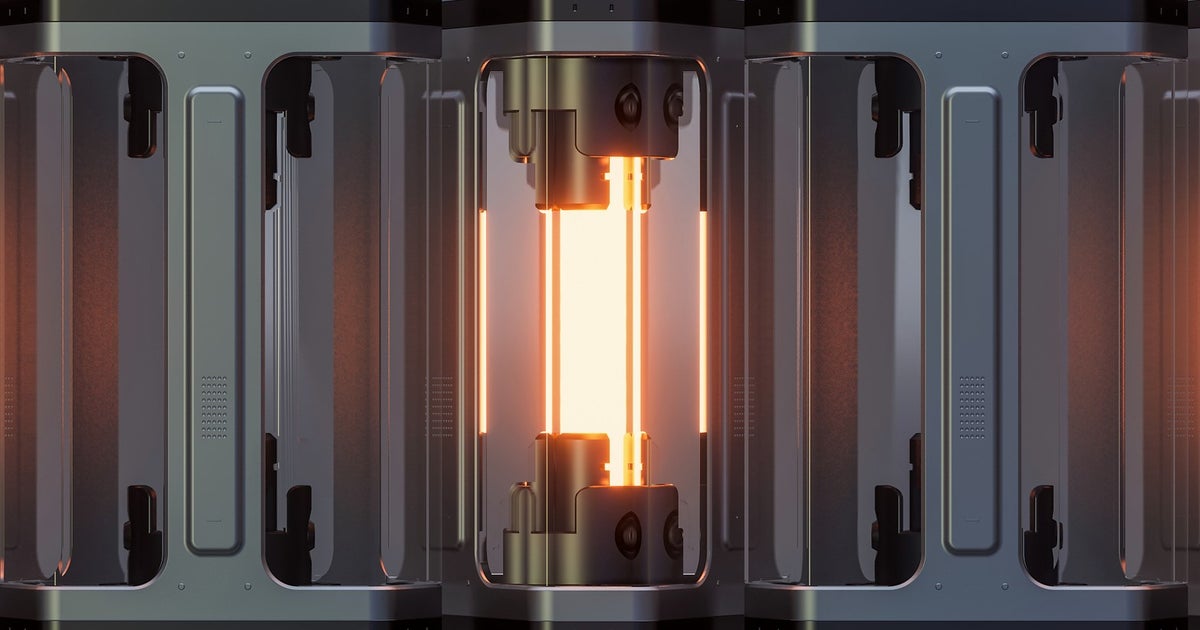
Researchers at the RIKEN Center for Quantum Computing and the Huazhong University of Science and Technology in China contend that topology is the key to unlocking these batteries’ potential. The team conducted a theoretical analysis demonstrating the efficient design of a topological quantum battery, offering a practical roadmap for optimizing performance under real-world conditions.
“Our research contributes new knowledge… we hope to accelerate the transition from theory to practical application of quantum batteries,” said Zhi-Guang Lu.



 '
'