The Engineering That Takes Flight at Full Scale
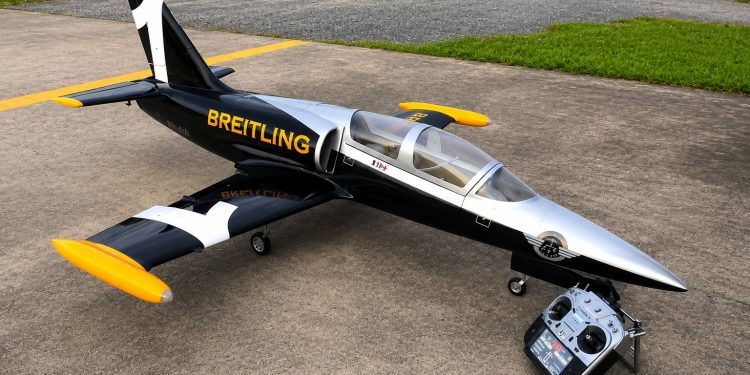
Luxury has found its place in the air. Far removed from the recreational image associated with collector’s models, high-performance aeromodelling has evolved into a discipline where engineering, mechanical precision, and an investment comparable to other elite hobbies converge.
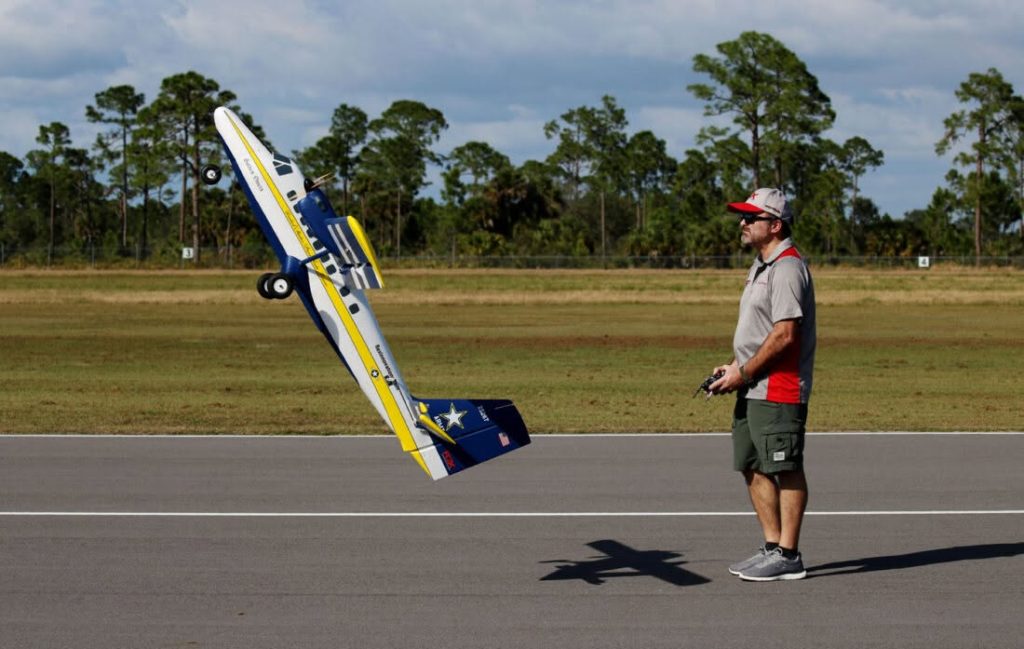
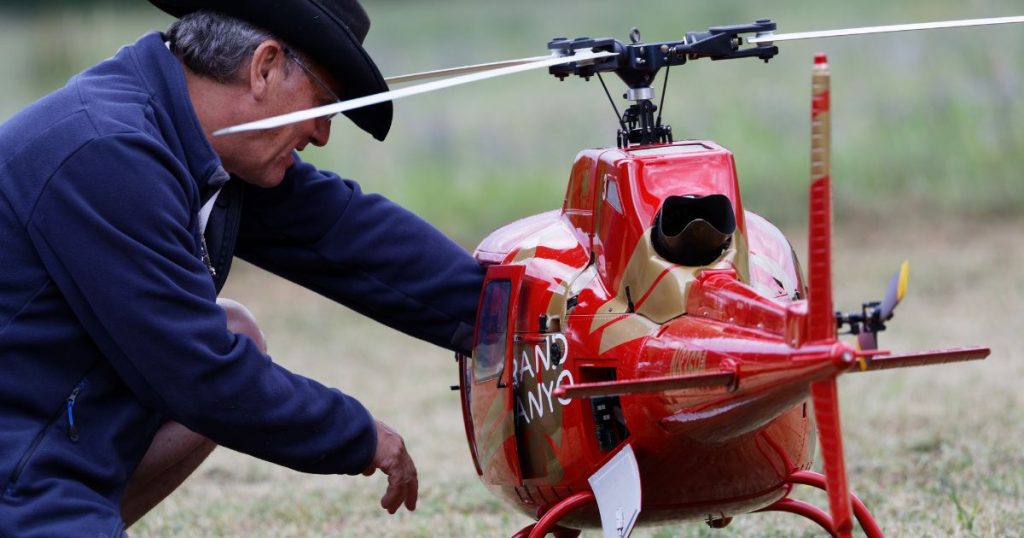
The aircraft that define this segment bear little resemblance to traditional scale models. Some exceed two meters in length and employ microturbines capable of replicating, in miniature, the same operational principles that govern conventional aviation. The discipline demands mastery of aerodynamics, electronics, programming, and specialized maintenance.
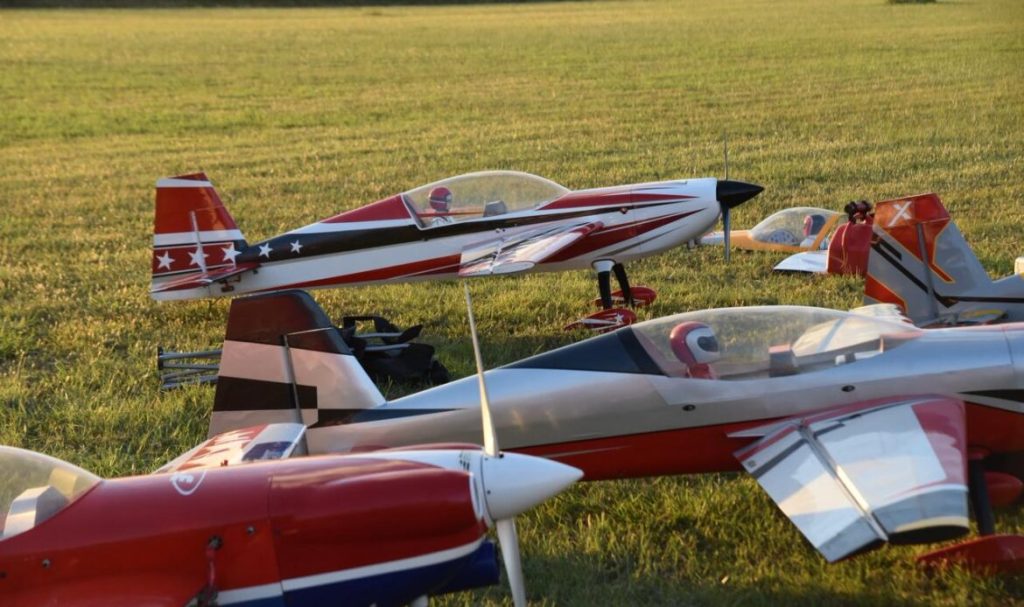
The sophistication extends to the investment. Between the aircraft itself, radio systems, telemetry, fuel, transport, and maintenance, the most advanced builds can approach one million pesos. Each configuration is engineered to a specific purpose — speed, maneuverability, aerobatic performance, or historical reproduction.
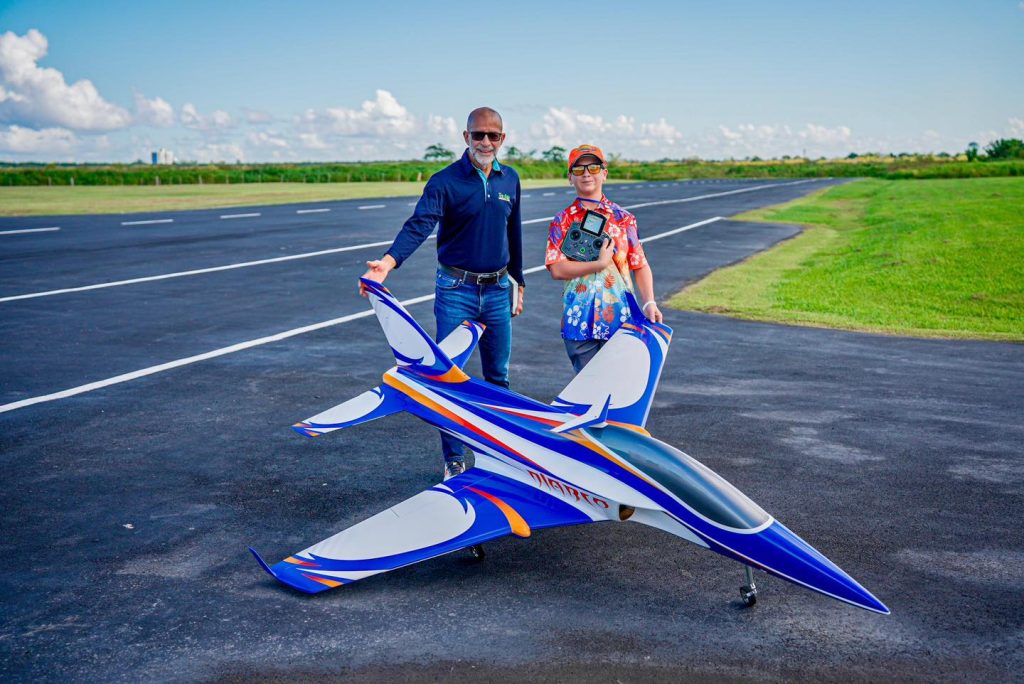
Yet the true value of the discipline lies not in the investment alone. Its appeal is rooted in technical mastery. Pilots log hours on digital simulators, study safety protocols, and conduct controlled practice sessions before they are ever cleared to operate on authorized airfields. Precision is not optional — it is the governing condition of everything that follows.
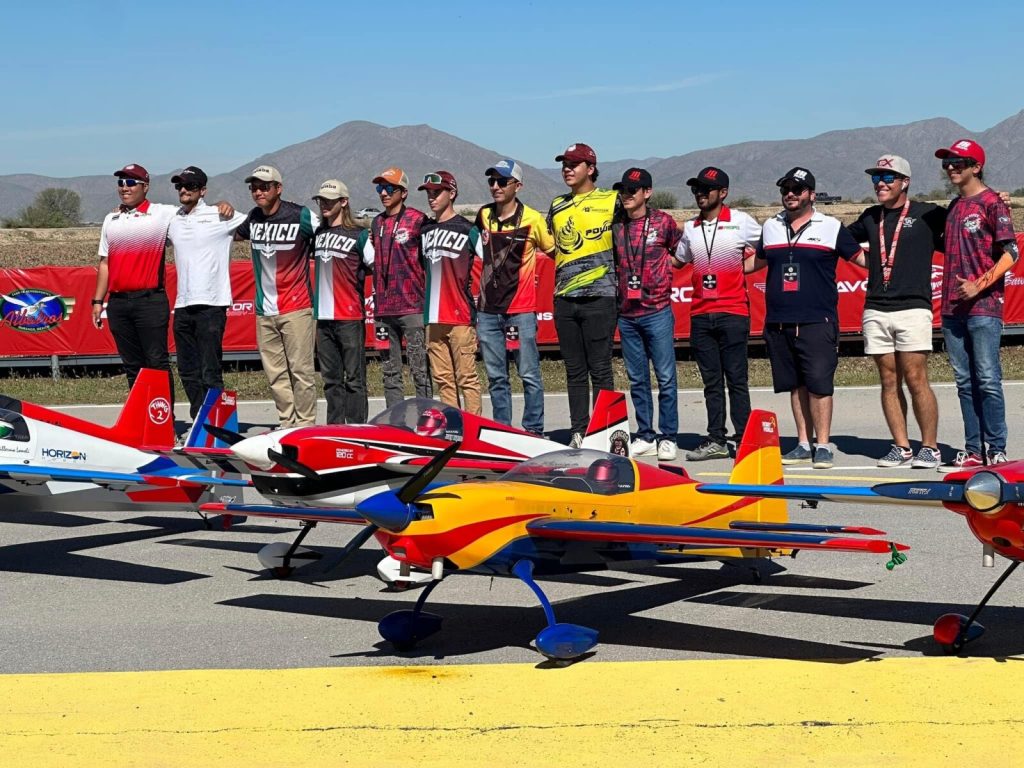
In an era when much of entertainment unfolds behind a screen, aeromodelling maintains a direct and unmediated connection to applied engineering. Every flight is the product of planning, calculation, and execution.
More than a hobby, it has become a space where technology, discipline, and a passion for aviation find an entirely different scale from which to take flight.


 '
'