TAG Heuer Monaco: Designed to Win
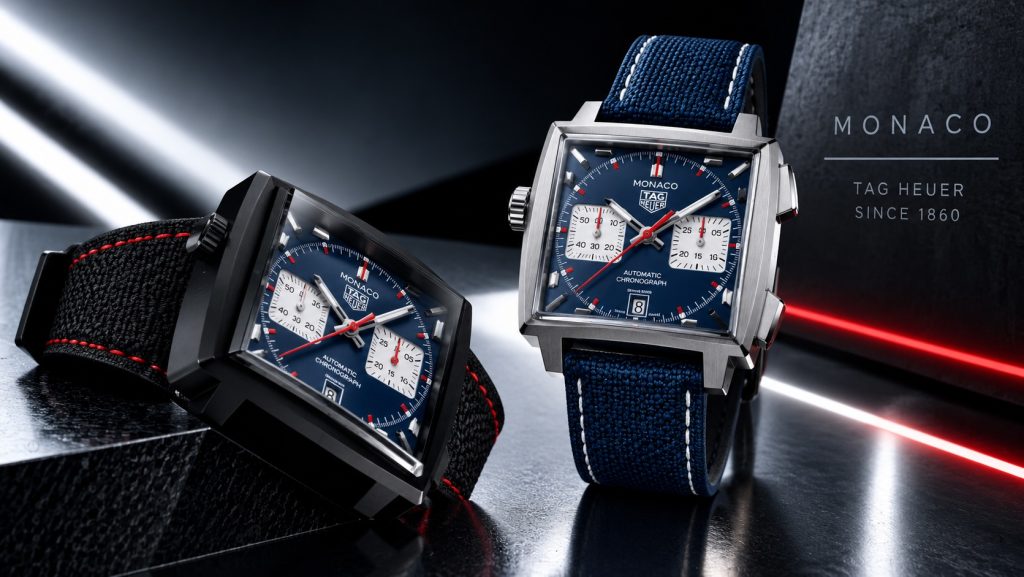
There are watches that accompany history, and others that become part of it. The TAG Heuer Monaco belongs to the second category: a timepiece whose identity was built around speed, precision, and an enduring relationship with motorsport.
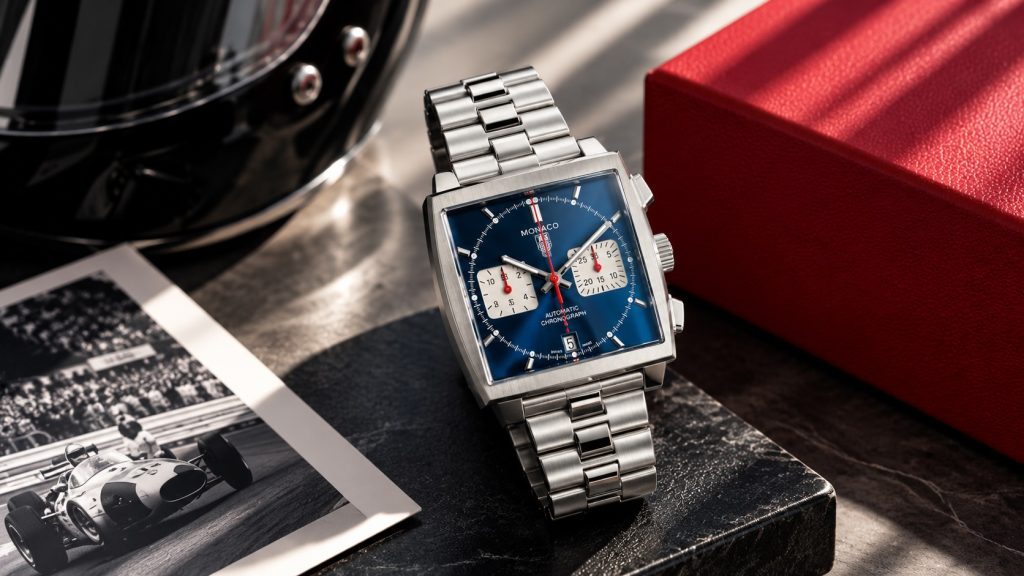
Since its debut in 1969, the Monaco’s distinctive square case established it as one of the most recognizable references in sport watchmaking. Decades on, that identity remains inseparable from the Formula 1 circuit and the drivers who embody TAG Heuer‘s philosophy of performance.
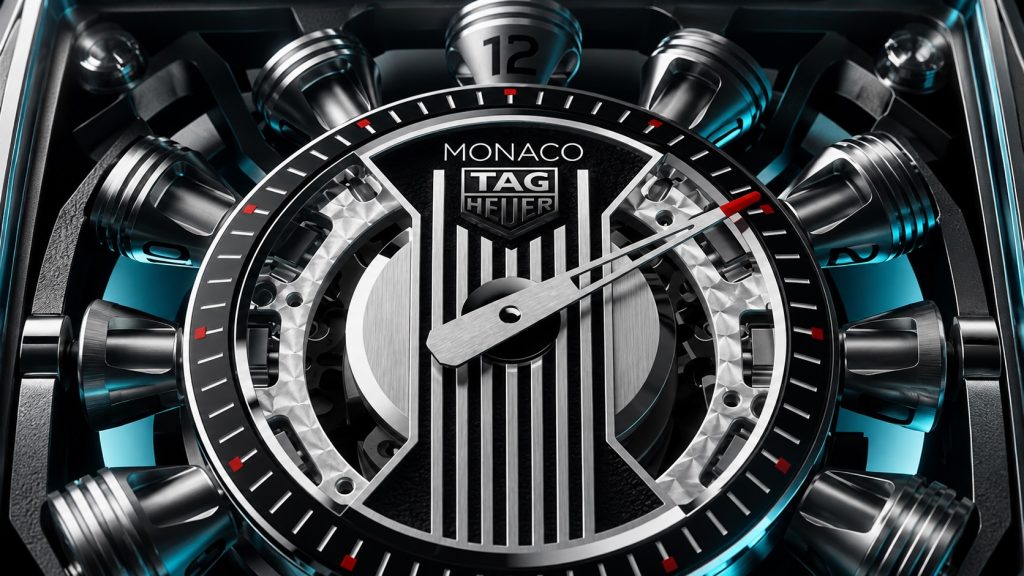
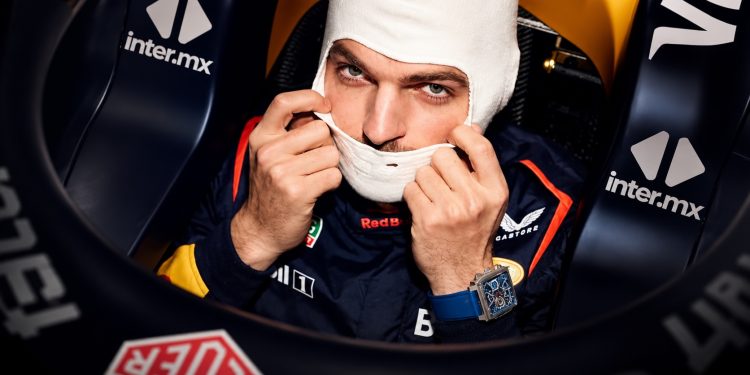
Max Verstappen occupies a singular place within this narrative. In 2023, TAG Heuer presented the champion with a bespoke Monaco Chronograph Skeleton — titanium case, skeletonized dial, and the numeral 1 on the chronograph register, a direct tribute to his 2021 and 2022 World Championships.
The connection extends to Monaco itself. Verstappen won the 2021 Grand Prix wearing a TAG Heuer Monaco, then returned to triumph in the Principality in 2023 with his bespoke Monaco Chronograph Skeleton on his wrist — reinforcing the bond between the watch, the competition, and one of motorsport’s most mythic venues.
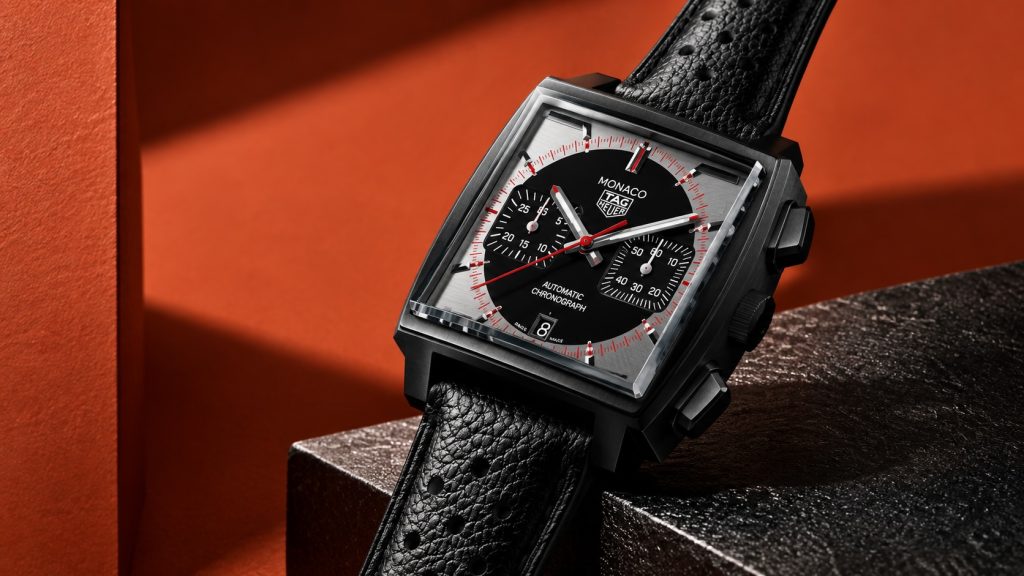
The strategy is as compelling as it is deliberate: TAG Heuer has made performance a brand language capable of connecting product, competition, and heritage in a single gesture. From 2025, the manufacture has assumed the role of principal title partner of the Monaco Grand Prix.
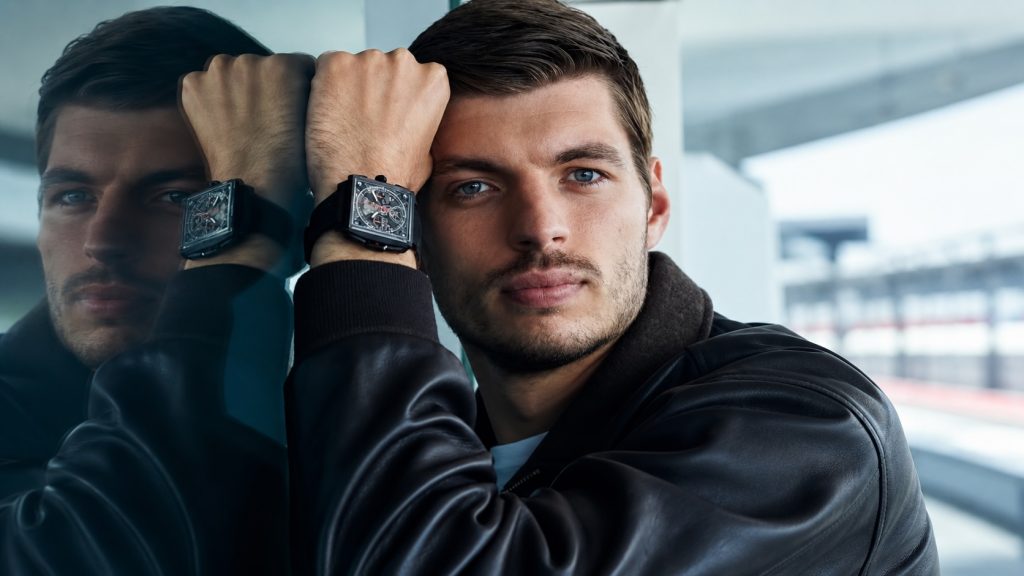
In this context, Verstappen is the most compelling contemporary expression of that philosophy. The Monaco retains its relevance because its design and its history continue to evolve around a single, unwavering idea: to compete, to measure time, and to make performance an identity.
More from Elite Business
Read what matters.


 '