Supersonic Flight Returns
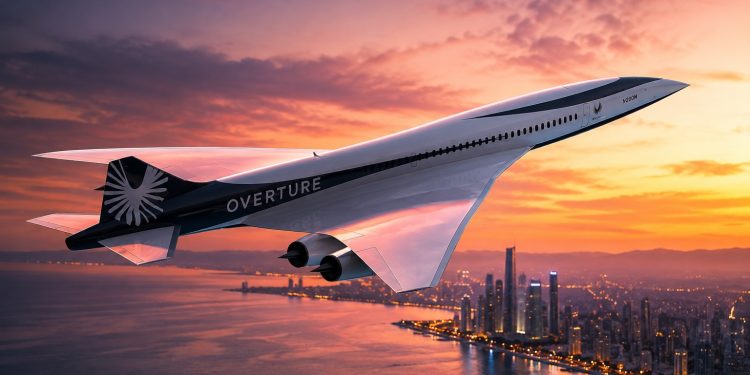
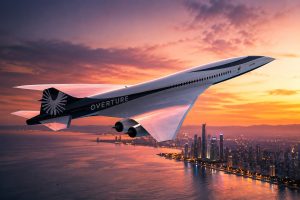
When the Concorde flew its last commercial service, civil supersonic aviation was shelved as an expensive and premature experiment. Two decades later, Colorado-based Boom Supersonic holds more than 130 orders, two confirmed airline partners — United Airlines and Japan Airlines — and a manufacturing facility in North Carolina. This time, without government funding.
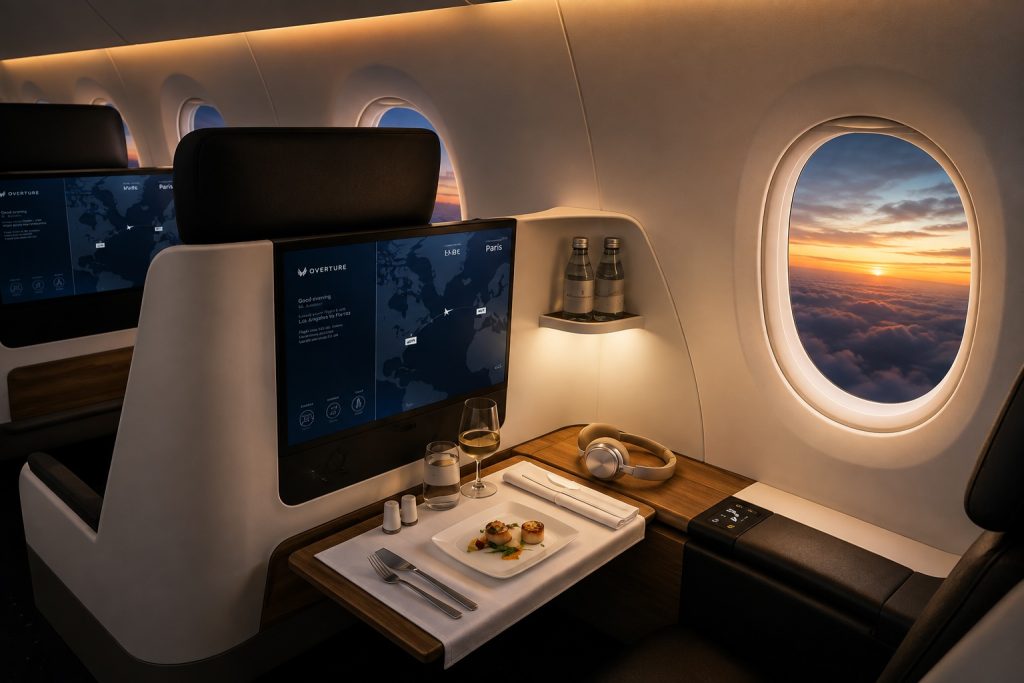
The Overture is designed to carry between 65 and 80 passengers at Mach 1.7, with a range exceeding four thousand nautical miles and one-hundred-percent sustainable aviation fuel. The company is developing its own engine — the Symphony — after no established manufacturer agreed to take on the contract.
The business model deliberately corrects the Concorde’s defining failure. That program depended on state subsidies to cover operating costs that no airline could absorb on its own. Boom has structured its operation around high-density executive transoceanic routes, where the premium passenger pays for the privilege of reducing New York–London to under three and a half hours.
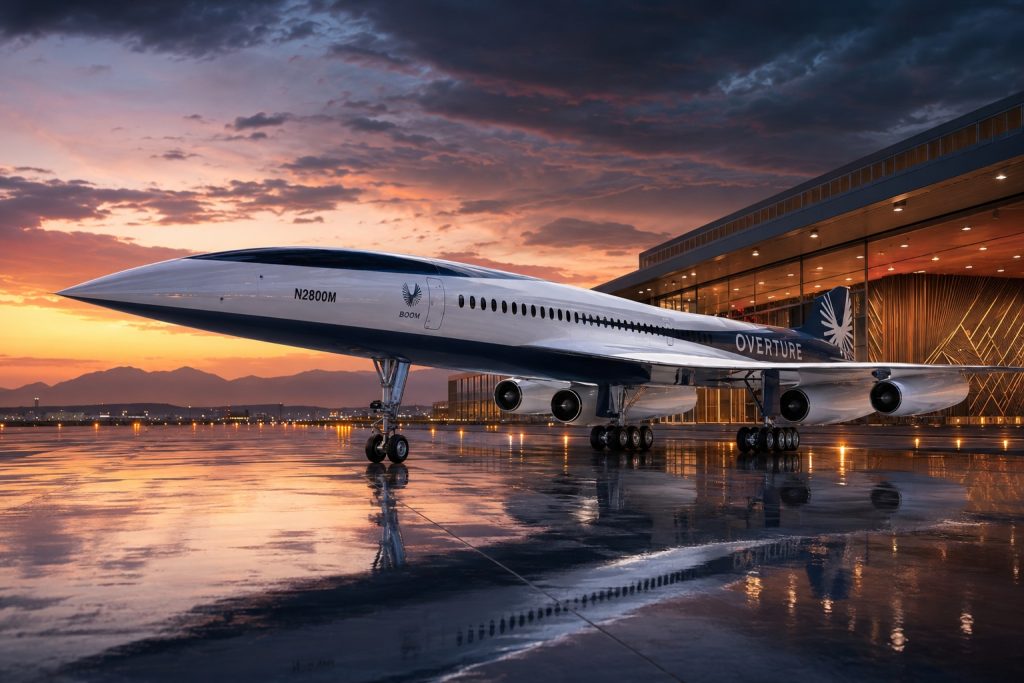
For the global executive, the hours recovered on a transatlantic crossing translate directly into reclaimed agenda, accelerated decisions, and the ability to be on two continents within a single working day.
When time becomes the scarcest asset in international business, supersonic flight returns not as spectacle but as productive infrastructure — and as the defining premium service category for the transatlantic corridor.

 '
'