Road Signs
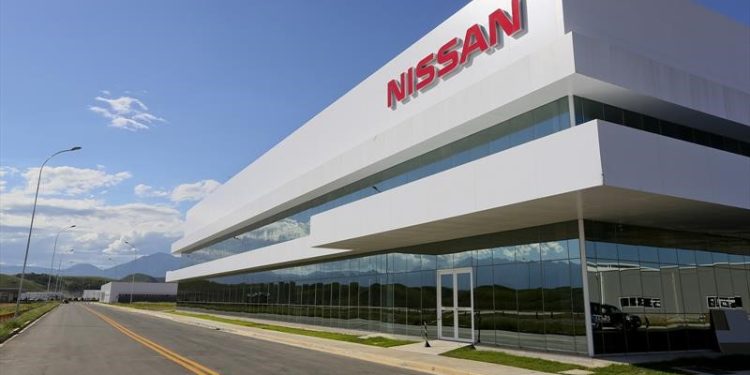
Nissan, one of the automotive industry’s most consequential players, finds itself at a significant crossroads as it weighs the closure of several production facilities — in Japan and abroad, including Mexico. The move, which encompasses the Oppama and Shonan plants in Japan, reflects not only a determined effort to reduce costs but a fundamental strategic repositioning that could redraw the competitive map of the global auto industry.
The Yomiuri reported that the review extends to plants in South Africa, India, and Argentina — representing a dramatic contraction in Nissan’s global production footprint. The company has announced plans to reduce its workforce by 15 percent and cut its manufacturing facilities from 17 to 10 worldwide. The scale of the adjustment leaves little doubt about the economic pressures bearing down on the industry.
In an official statement, Nissan dismissed the reports as speculation, reaffirming its commitment to transparency. Yet the measures introduced by incoming CEO Iván Espinosa stand in marked contrast to the expansionist optimism of his predecessor, Makoto Uchida, who maintained a production-growth outlook even as sales began to soften.
Plant closures of this magnitude would carry significant consequences for local economies and for the perception of Nissan’s commitment to its key markets. As the company restructures, a central question emerges: can Nissan adapt swiftly enough to a rapidly evolving automotive landscape, or will it cede ground in the contest for innovation and competitiveness?
The automaker’s future will depend not only on its ability to recalibrate its operational structure, but on how it manages to communicate that process — to its employees, consumers, and commercial partners — without eroding the trust and reputation the brand has built over decades.



 '
'