Papilla Estelar by Remedios Varo: A Dreamlike Journey Through Mexican Surrealism
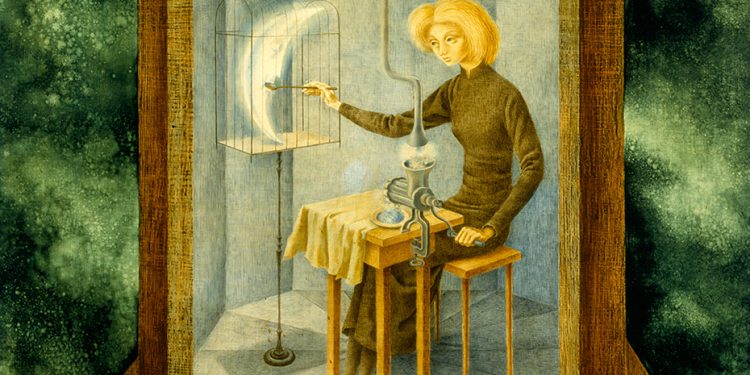
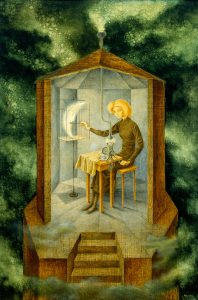
The painting Papilla estelar (1958) by Remedios Varo stands as one of the most iconic works of Mexican Surrealism. From the moment of her arrival in Mexico City in 1941, Varo found herself immersed in a vibrant environment charged with creative stimuli that would leave a lasting imprint on her work.
The painting’s composition is nothing short of extraordinary: a female figure encircled by mystical and natural elements, evoking an almost palpable sense of communion with the cosmos. The woman at the center of the canvas is rendered in a state of quiet contemplation — as though absorbing the accumulated knowledge of the universe. Warm hues and organic forms envelop the figure, conjuring an ethereal atmosphere that transports the viewer into a world of pure reverie.
The work also reveals a direct influence of local mysticism, weaving elements of indigenous cosmogony into Varo’s own surrealist vision. The details — fluid forms, recurring patterns — speak not only to her considerable technical mastery but to her rare gift for encoding narrative within a single image.
The use of symbolism is essential to unlocking the full depth of Varo’s work. The central figure, together with the constellation of elements that surrounds her, may be read as a representation of feminine consciousness and its bond with the cosmic order. Varo does not merely construct a dreamlike scene — she extends an invitation to explore the outermost reaches of the imagination.
Papilla estelar (1958) is a masterwork that distills the spirit of Surrealism and the cultural richness of Mexico into a single canvas. Through her singular style and deeply personal vision, Remedios Varo left behind not only an artistic legacy but a meditation on the enduring mysteries of human existence. The painting remains one of the most compelling testaments to her genius and her immense contribution to the surrealist canon.


 '
'