Olo: A Color Not Everyone Can See
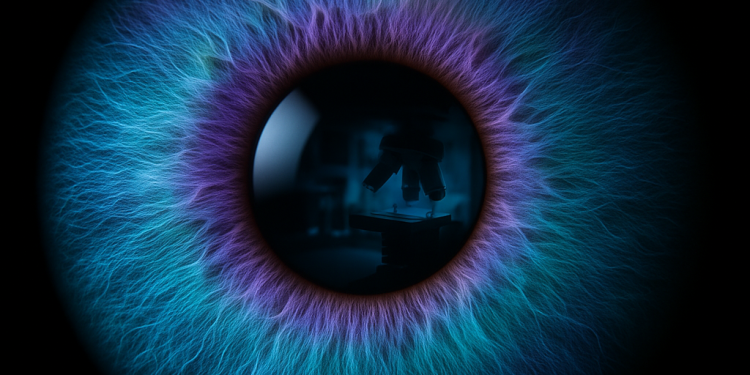
In a world where it seems everything has already been discovered, one color has accomplished the unthinkable: it defies human perception and has captivated the scientific community. It is called “Olo”, and it is not simply another shade on the visible spectrum — it is a visual experience that fits no known category.
The discovery was presented by a team of neuroscientists and color designers working at the intersection of visual perception, artificial intelligence, and neuroaesthetics. Unlike conventional colors that can be explained by specific wavelengths, Olo cannot be described in words, nor compared to familiar tones such as blue, red, or green. It cannot be faithfully reproduced on screens, printers, or physical surfaces. It can only be experienced in augmented reality environments or through specially calibrated devices.
What makes Olo so singular?
According to researchers, Olo activates regions of the brain not previously associated with color perception, generating a sensation that subjects consistently describe as “intuitive,” “unexpected,” or “emotionally immersive.” Some participants have even reported an immediate shift in mood upon viewing it.
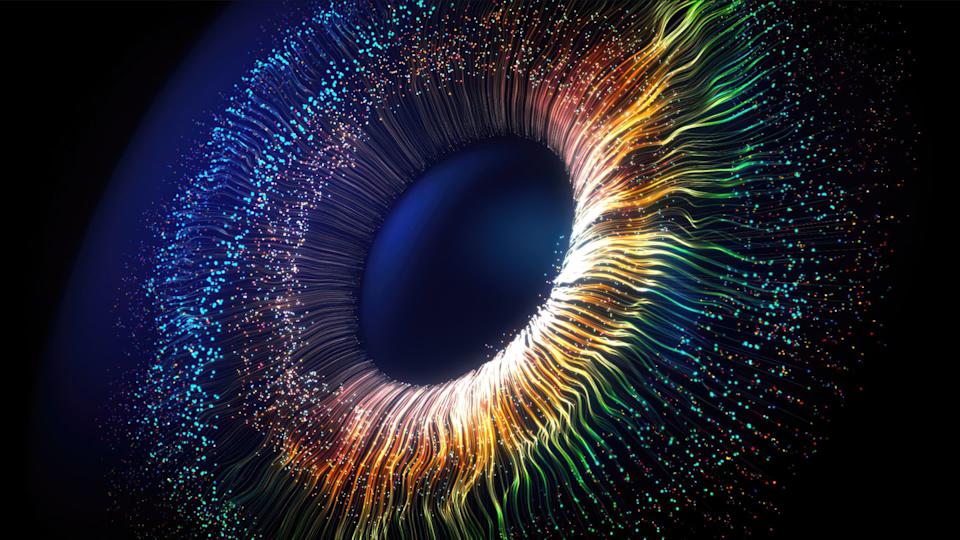
Its impact has reached a level where institutions including MIT, the Royal College of Art, and several applied neuroscience laboratories are studying how it might be deployed in therapeutic settings, emotional design, and immersive experiences. Fashion, technology, and wellness brands have already expressed interest in licensing the Olo experience as part of their broader sensory strategies.
Is it a color — or an idea?
Olo raises a profound question: do we see what exists, or only what we are wired to perceive? While its existence cannot be measured in the conventional way, it can be induced through precise stimuli that deceive — or expand — the visual system.
And beyond its beauty, its emergence opens a fascinating window: the possibility that an entire universe of perceptual stimuli remains beyond our reach. In a world saturated by images, the fact that a color cannot be captured, shared, or easily reproduced is, paradoxically, precisely what makes it most valuable.

Olo is not merely a scientific finding. It is a creative provocation — a reminder that the most sophisticated discoveries can still arrive in forms we do not fully understand, but unmistakably feel.


 '
'