No Longer Science Fiction
In an unprecedented development at the intersection of neurotechnology and medicine, Paradromics, a promising Austin, Texas-based company, has conducted the first human trial of a brain implant. The milestone represents not only a meaningful technological advance but a new horizon of hope for the millions who have lost the ability to communicate due to injury or neurological condition.
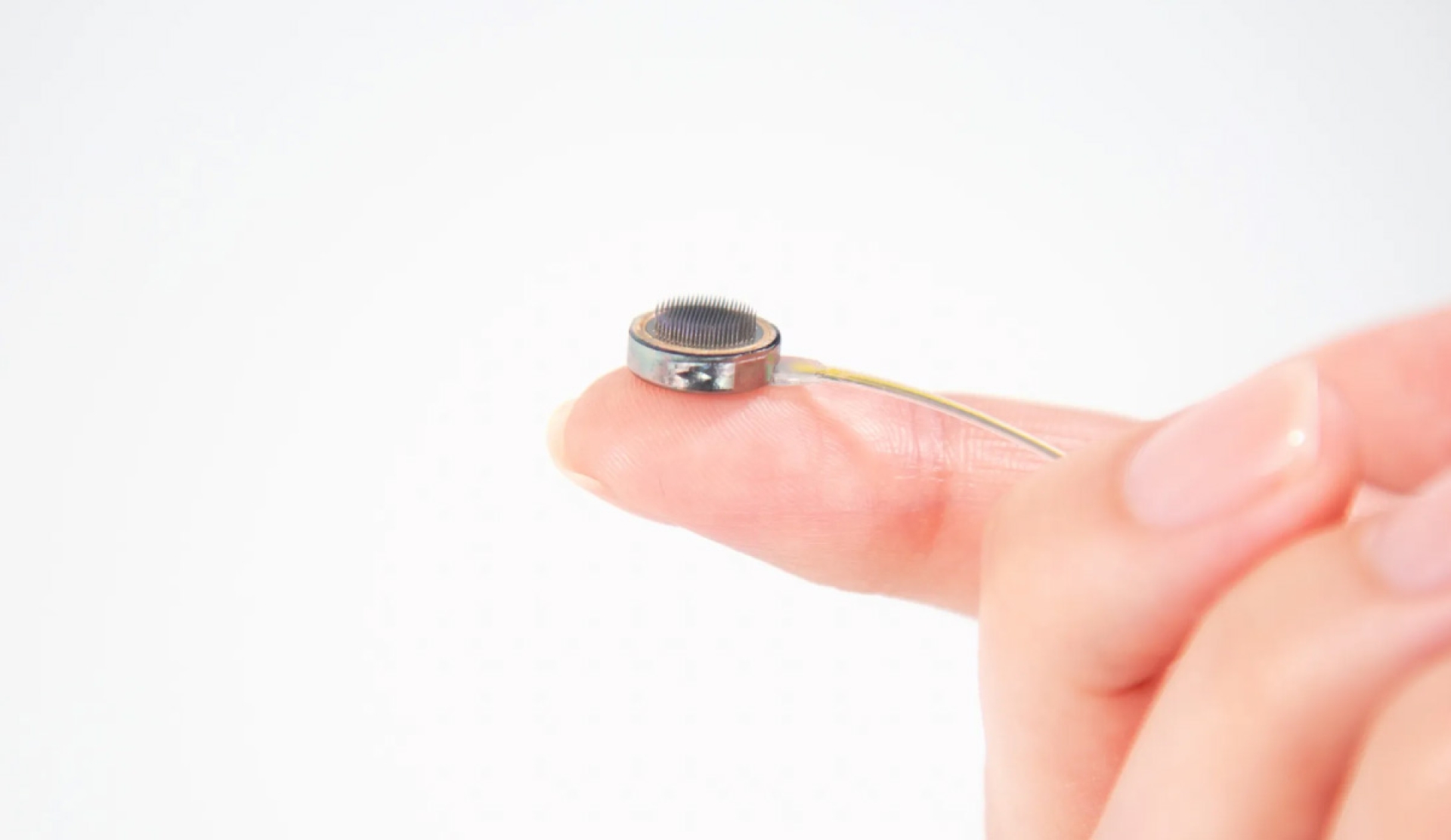
The device, known as Connexus, was briefly implanted in a patient undergoing brain surgery to treat epilepsy. During the procedure, surgeons employed an innovative EpiPen-like instrument to insert the implant, which carries 420 microscopic needles designed to capture the electrical activity of individual neurons. This precision in neural signal acquisition is critical to the future decoding of motor intent — most consequentially, in the context of speech.
With this advance, Paradromics aims to redefine how individuals living with paralysis recover the ability to communicate — translating brain signals into synthesized speech, text, or direct device control. This pioneering approach could mark the beginning of broader clinical trials, with the potential to transform the quality of life for those living with severe disabilities.
As competition in the brain-computer interface field intensifies — with companies such as Neuralink pressing at the frontier — the future of BCI technology appears charged with possibility. Paradromics, with its compelling device, is uniquely positioned to set a new standard in neurotechnology.



 '
'