Miranda’s Return and the New Standard of Luxury
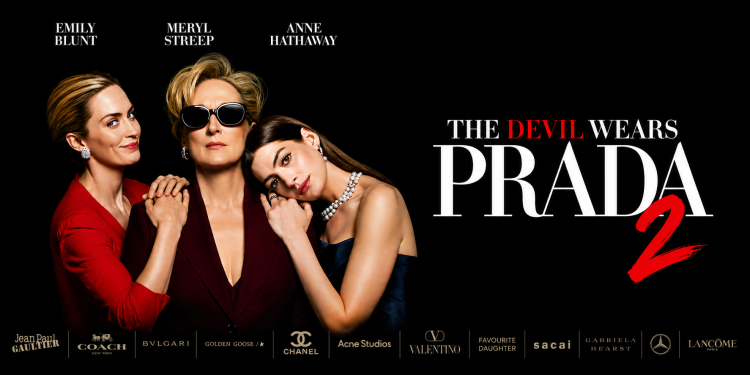
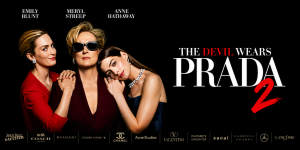
Two decades after cerulean dictated the rules of the market, the universe of Runway, The Devil Wears Prada 2, returns as a franchise of exponential profitability. The premiere of this sequel transcends cinema to become a masterclass in commercial engineering, where wardrobe functions as a protocol of authority and status. The magnitude of this phenomenon is reflected in its financial architecture: the production has quadrupled the budget of this second installment against the $35 million of the original film — a wager proportional to its projected impact on global consumption.
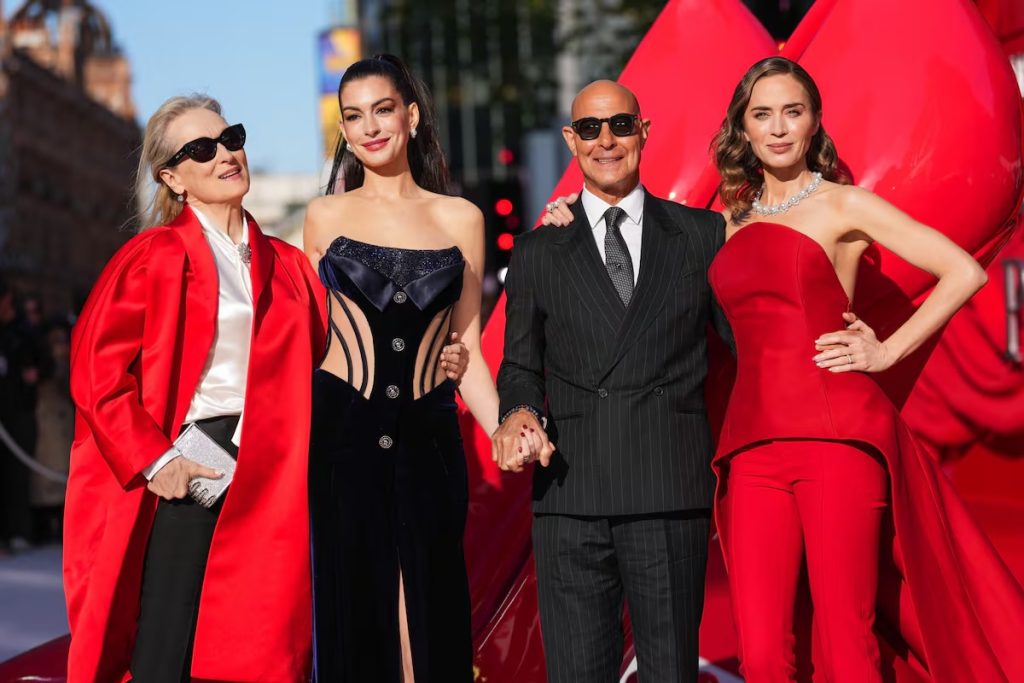
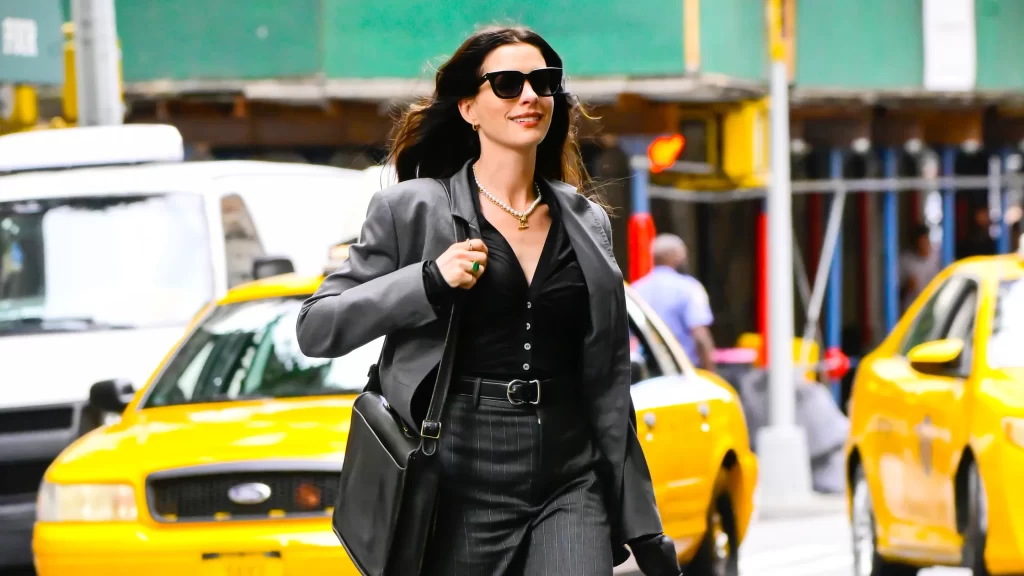
In this new cycle, the narrative abandons the conspicuous logo in favor of the sophistication of timeless design, marking a strategic transition toward brands that prize authenticity over volume. The production’s success lies in its ability to integrate Houses under a logic of exclusivity. The collaboration with Diet Coke and the designation of Lancôme as the official skin care standard demonstrate a reengineering of cultural icons designed expressly for the high-end market.
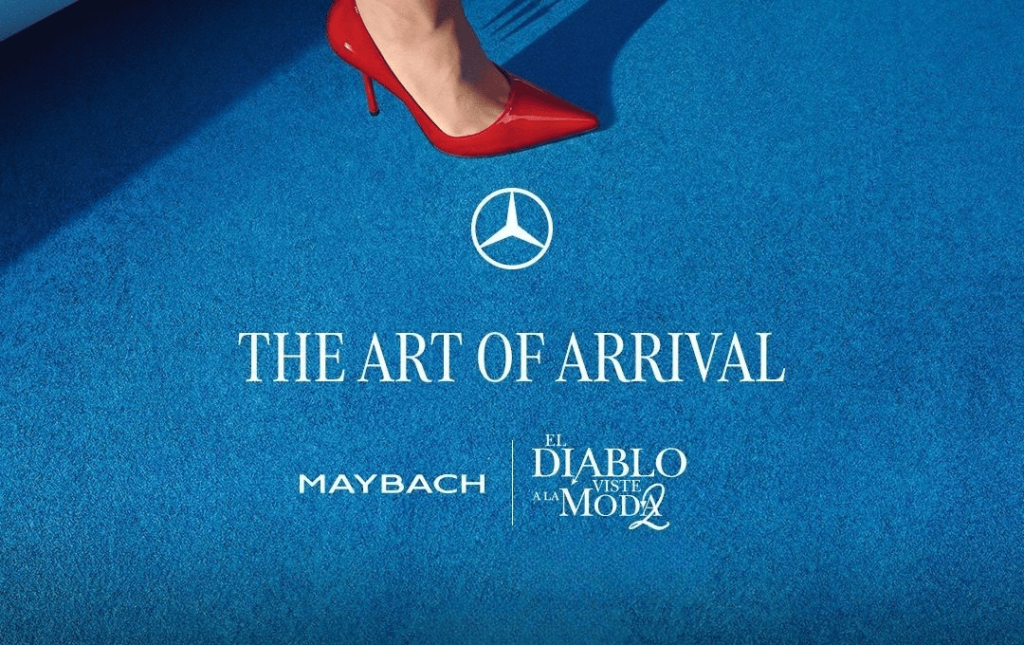
The experience culminates in the automotive segment — the definitive component of the enterprise: the Mercedes-Maybach S-Class is positioned as the sanctuary of power where consequential decisions are made. For the business-minded viewer, this sequel is a case study in how culture and capital converge to secure lasting relevance. Fashion is, in essence, the visible gear of a perfectly designed system.

 '
'