Michelin Guide México 2026: Guadalajara and the Financial Architecture of Fine Dining
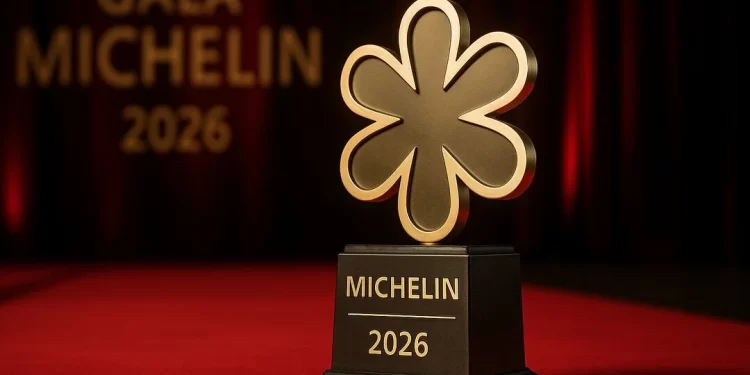
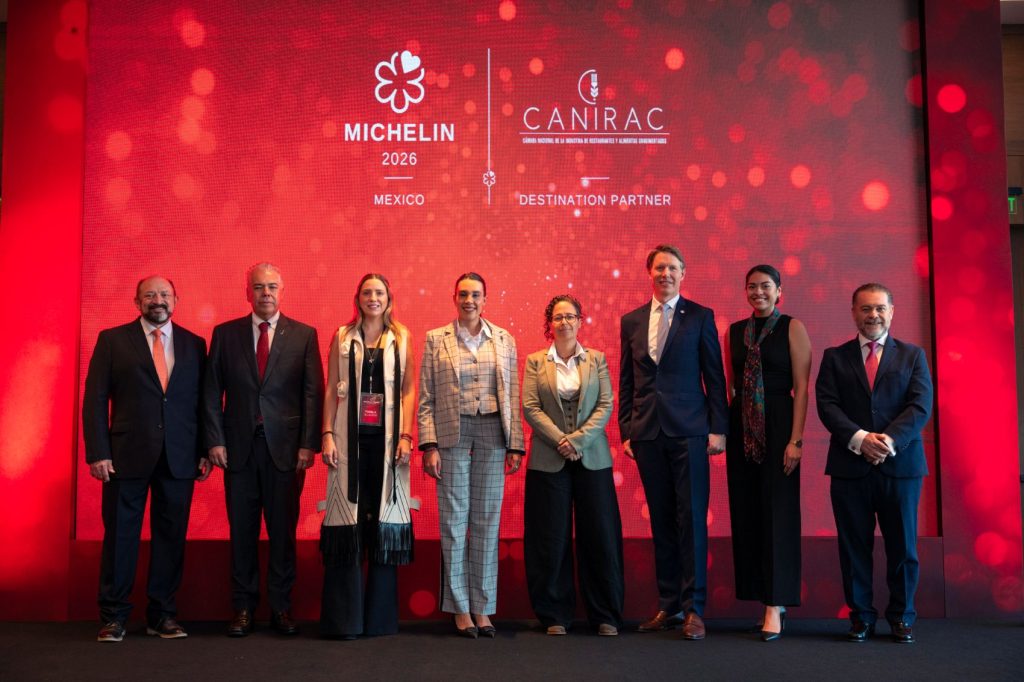
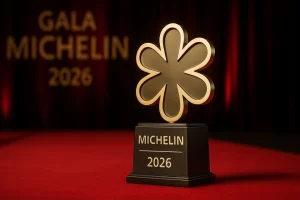
In the hospitality market, few platforms operate with the institutional solidity of the Michelin Guide. The designation of Guadalajara as the official venue for the national gala — set for May 20 in Zapopan — consolidates a meaningful strategic advantage in the decentralization of the country’s premium sector.
This integration reflects a rigorous exercise in market engineering. According to the state’s Secretaría de Turismo, the culinary segment contributes more than 9% to the regional GDP. Inclusion in the Michelin Guide functions as an investment catalyst that, according to estimates from global consultancies, can increase revenue at selected restaurants by as much as 30% — energizing the hotel and premium supply chain in turn.
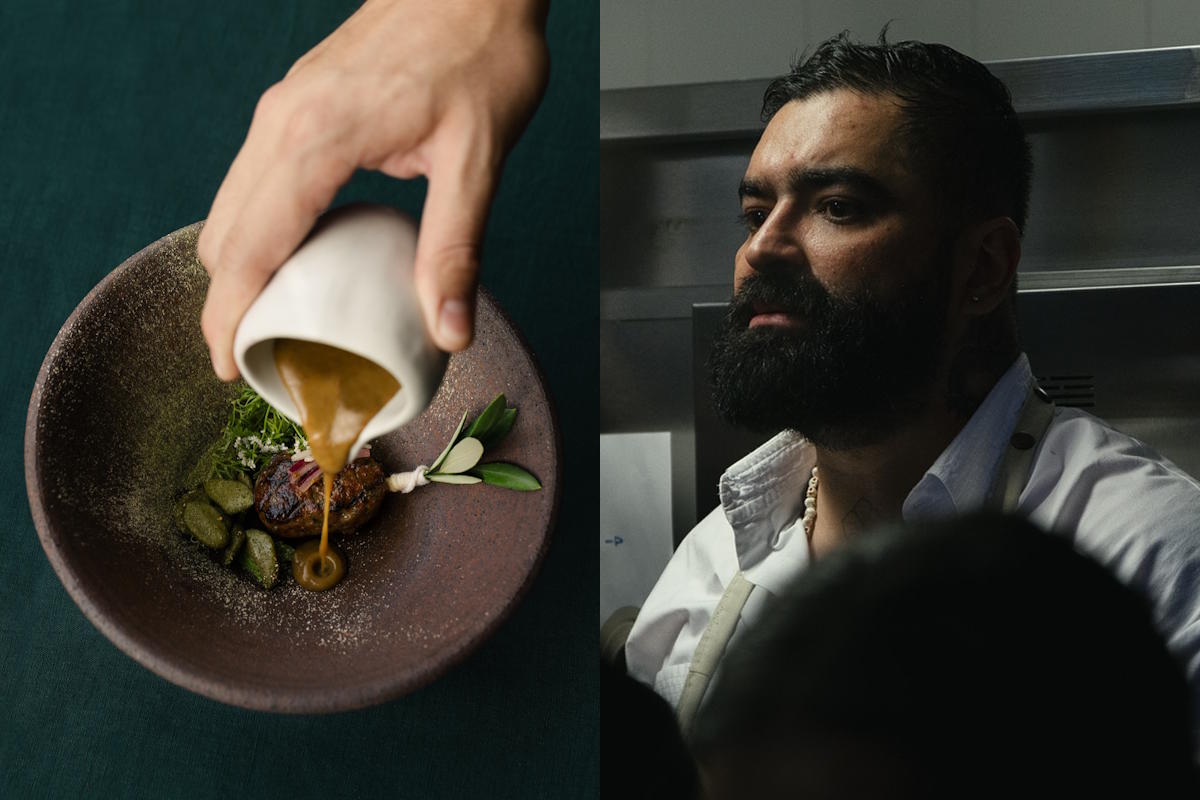
Under the arbitration of anonymous inspectors, the assessment of the local landscape encompasses a field of high-performing concepts competing for the top distinction. Among the most compelling contenders, Alcalde, by chef Francisco Ruano, again stands at the forefront — a project anchored in The World’s 50 Best Restaurants where tasting menus exceed $150 per guest. Alongside this standard of operational excellence, a cohort of heritage-driven signature concepts has built formidable momentum: Xokol, by Óscar Segundo; Bruna, by Óscar Garza and Luis Hernández; Hueso, by Alfonso Cadena; and Teté Cocina de Barrio, by siblings Karla and Mario Papa.
This positioning unfolds on the eve of the 2026 FIFA World Cup, generating an ideal convergence between corporate sport and premium consumption. By linking cultural heritage to rigorous financial viability, Guadalajara is validating its culinary infrastructure before a global audience of collectors and experience-driven travelers — securing long-term commercial leadership for the region.


 '
'