Met Gala: Figures, Art, and Power on Fashion’s Most Profitable Night
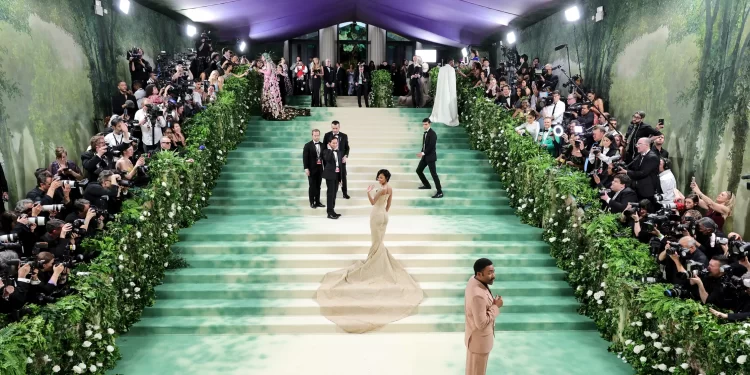
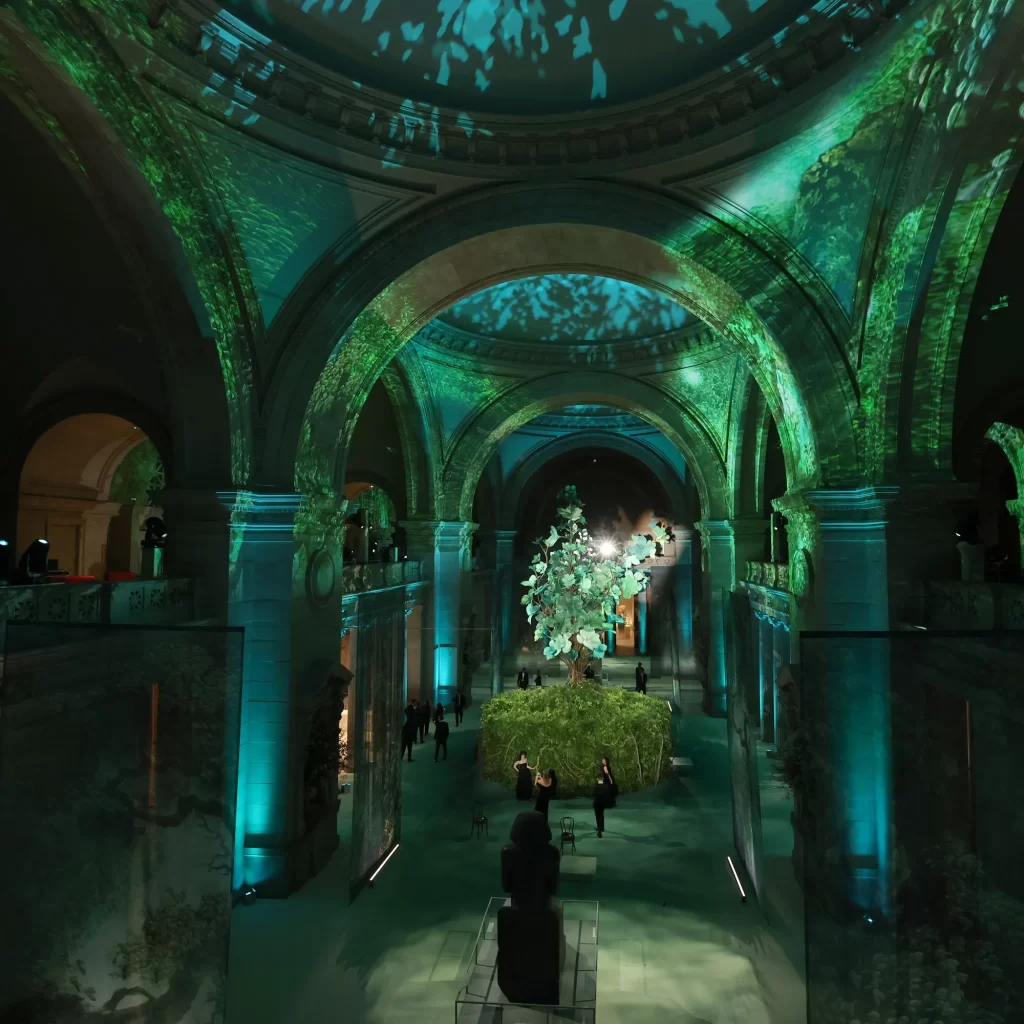
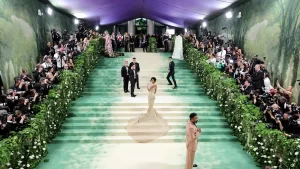
The first Monday in May once again transforms New York into the center of global luxury. The 2026 Met Gala, staged under the theme “Costume Art,” confirms that fashion now operates as an industry where art, investment, and cultural narrative generate returns in the hundreds of millions.
Chaired by Anna Wintour, the Costume Institute of the Metropolitan Museum of Art‘s annual gala maintains its formidable economic dimension — individual tickets priced at $100,000, corporate tables from $350,000. More than a social event, it is a platform where luxury conglomerates, investment funds, and the great Houses compete for visibility and influence.
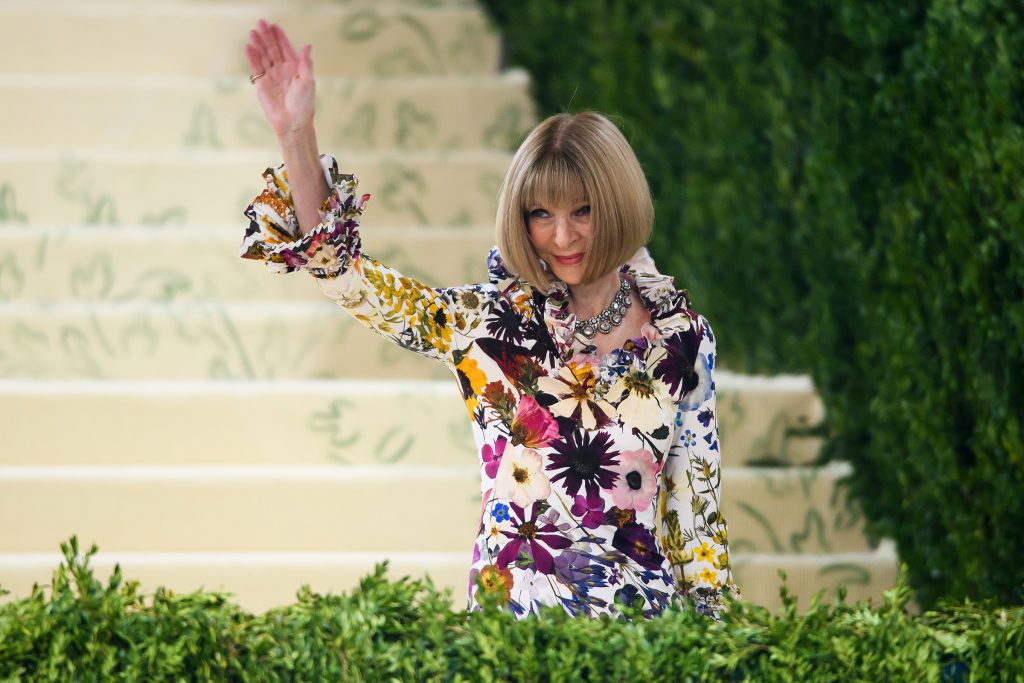
Having raised $31 million in its previous edition, the gala has secured its standing as the institute’s primary financial engine. Each successive edition strengthens its capacity to convert media exposure into institutional and commercial positioning of lasting value.
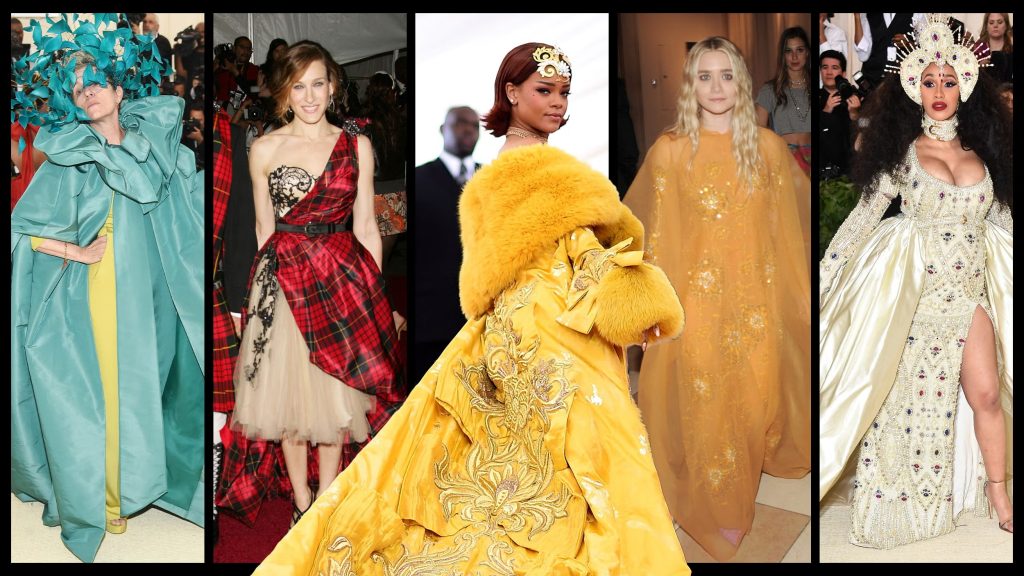
The 2026 curatorial framework, articulated under the code “Fashion is Art,” reinforces fashion as a discipline of historical value — elevating textile design to the same cultural plane as the most established artistic expressions. The presence of Beyoncé, Nicole Kidman, Venus Williams, and others amplifies a narrative in which entertainment, heritage, and capital converge with remarkable precision.
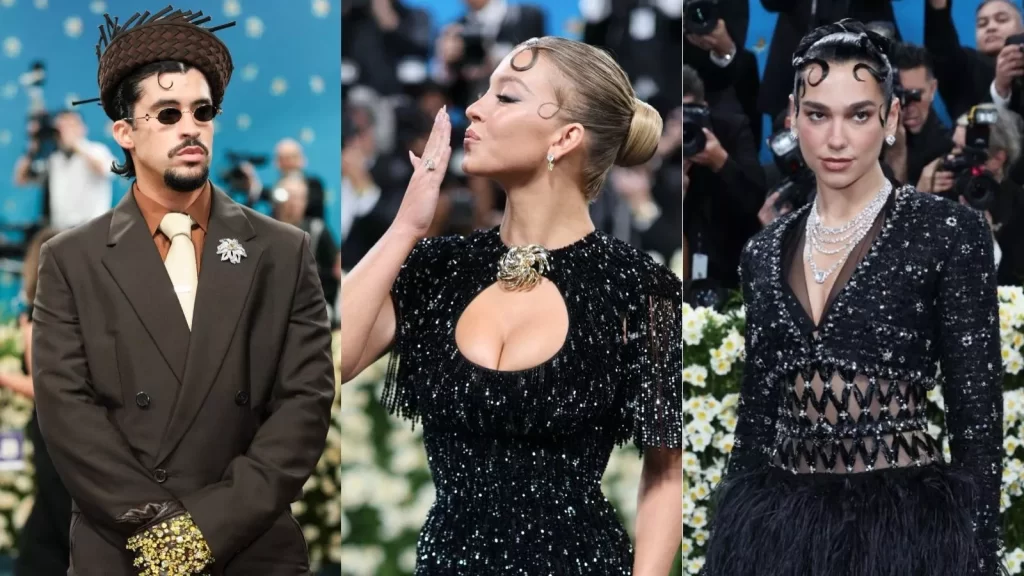
The Met Gala now represents one of the most sophisticated exercises in global branding. In an industry where relevance is determined by the ability to command conversation, perception, and aspiration, this evening does not merely exhibit fashion — it defines the cultural value of contemporary luxury itself.


 '
'