Livermore Valley Reborn as California’s Next Great Wine Country
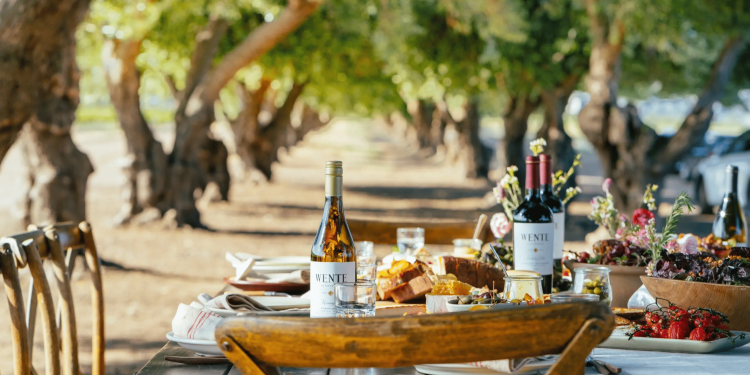
While Napa and Sonoma continue to command the global wine firmament, Livermore Valley is earning a brilliance all its own. Located just 70 kilometers east of San Francisco, this region has mastered the rare combination of history, innovation, and authenticity that today’s most discerning travelers actively seek.
History and Roots That Speak
Founded in the 19th century by pioneers such as Robert Livermore and the Wente family — the only continuously operating family winery in the United States since 1883 — Livermore was the first wine region east of the Bay. Its standing was cemented when Charles Wetmore dispatched a Sauvignon Blanc vintage to the 1889 Paris Universal Exposition, securing the first international medal ever awarded to a California wine.
Since then, its legacy has been quiet but unshakeable. During Prohibition — sustained in part by the production of sacramental wine — estates such as Wente and Concannon (also founded in 1883) survived intact while others disappeared entirely.
Boutique + Innovation = Present-Day Appeal
Today, more than fifty wineries offer experiences that fuse tradition with contemporary design. Among the most notable:
- Wente Vineyards, in continuous operation since 1883, offers tastings in a refined modern salon set against historic gardens.
- Concannon Vineyard, where heritage and modernity converge, produces 30,000 cases annually and stands as the definitive reference for Petite Sirah.
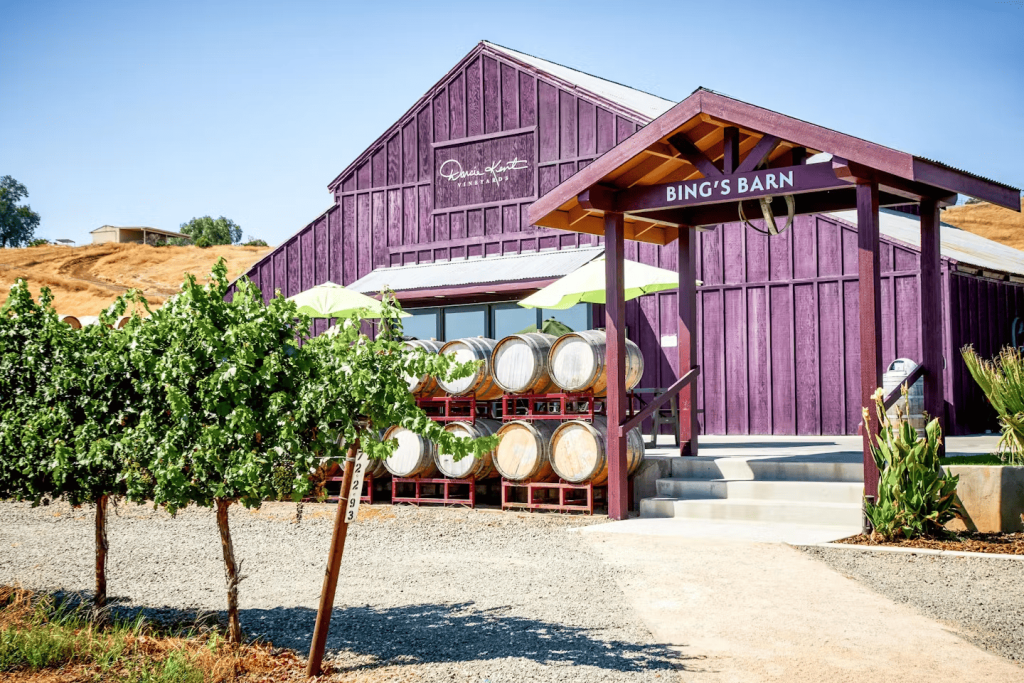
- Artisanal estates such as Murrieta’s Well champion micro-viticulture and terroir-to-table experiences with guest chefs — a proposition as much culinary as it is vinous.
Regional Strategy: Wine Tourism and Sustainability
The Livermore Valley Winegrowers Association has built a model of personalized wine tourism: scenic train excursions, winemaker-led masterclasses, and an annual tasting passport — all accessible through a $350 annual membership designed for the frequent visitor.
A Distinctive Terroir and Varietal Nobility
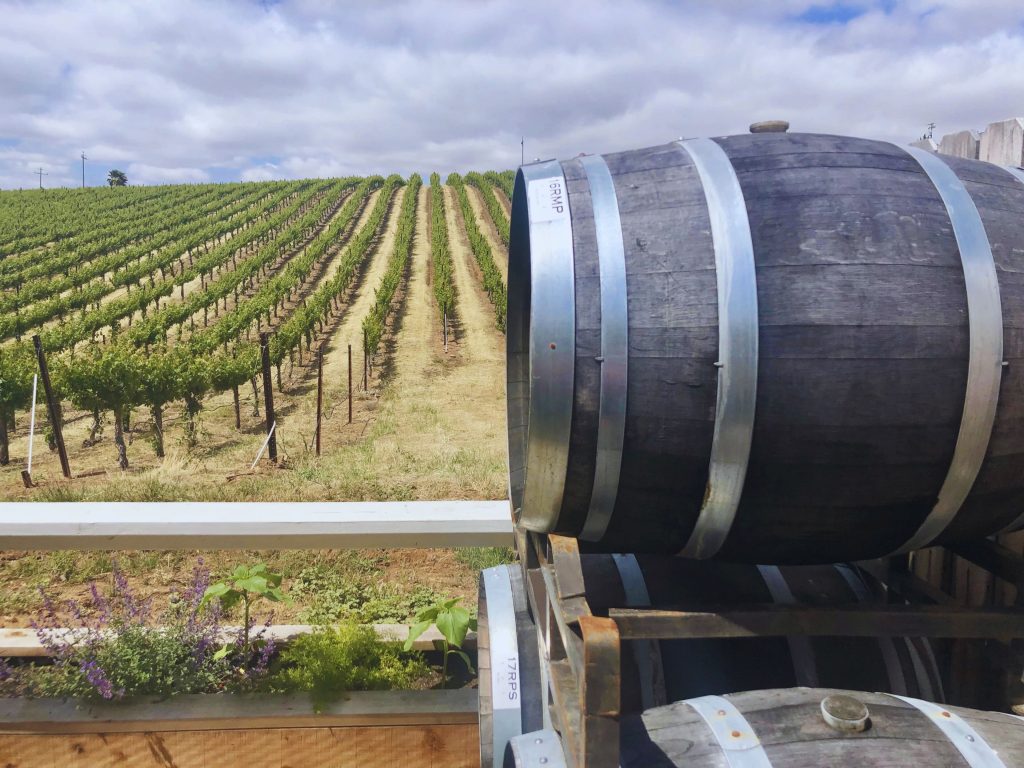
A Mediterranean climate tempered by Pacific breezes, cool nights, and gravelly soils creates ideal conditions for Chardonnay, Cabernet Franc, and Sauvignon Blanc. In 2025, the region made a decisive choice to anchor its identity in Cabernet Franc and Sauvignon Blanc as its signature varietals — a move that speaks to the confidence of a wine country coming fully into its own.
Economic Impact and a Replicable Model
Smaller in scale than Napa — which generates approximately $9.5 billion annually — Livermore is nonetheless posting accelerated growth. Estimates point to a 15–20 percent increase in high-end tourism over the past three years. Events such as Taste Our Terroir (October 2025) drive measurable hotel occupancy and restaurant spend throughout the region.

Where Tasting Meets Business
The visitor profile extends well beyond the gastronome. Silicon Valley executives, industry leaders, international buyers, and serious collectors are now pairing cellar visits with business meetings — an afternoon at Wente Vineyards that concludes, on occasion, with a private real estate investment.
The Courtyard by Marriott and Hawthorn Suites report 80 percent occupancy on tasting weekends — evidence that Livermore’s appeal extends far beyond the wine enthusiast to energize the entire local economy.
Livermore Valley does not compete with Napa on volume or price. It competes on experience, history, and authenticity — a historic terroir, boutique estates, sophisticated wine tourism programming, and strong institutional support, all converging in a single destination.
If California wine is acquiring new coordinates, Livermore Valley is unquestionably one of its defining points. This is not a promise — it is a region that has spent decades fermenting legacy, design, and opportunity in equal measure.


 '
'