Limited Editions: The Book as a Store of Value
The book has ceased to be merely a container for ideas. In certain circles, it has become a patrimonial object.
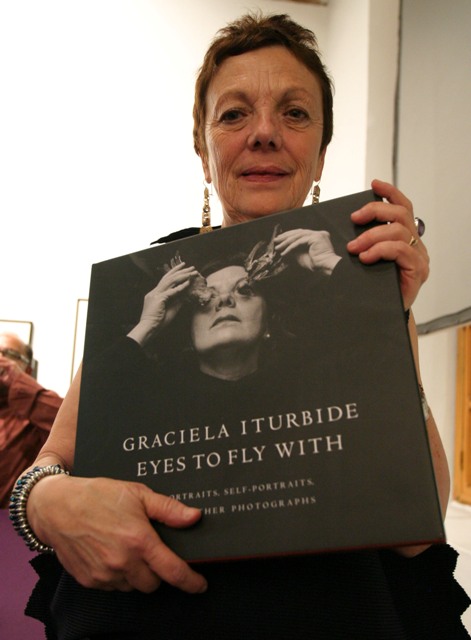
In Mexico, publications connected to Graciela Iturbide have demonstrated how the photobook can transcend reading to enter the realm of collecting. Sold-out first editions, catalogs tied to international exhibitions, and signed copies circulate in specialized markets with sustained valuations.
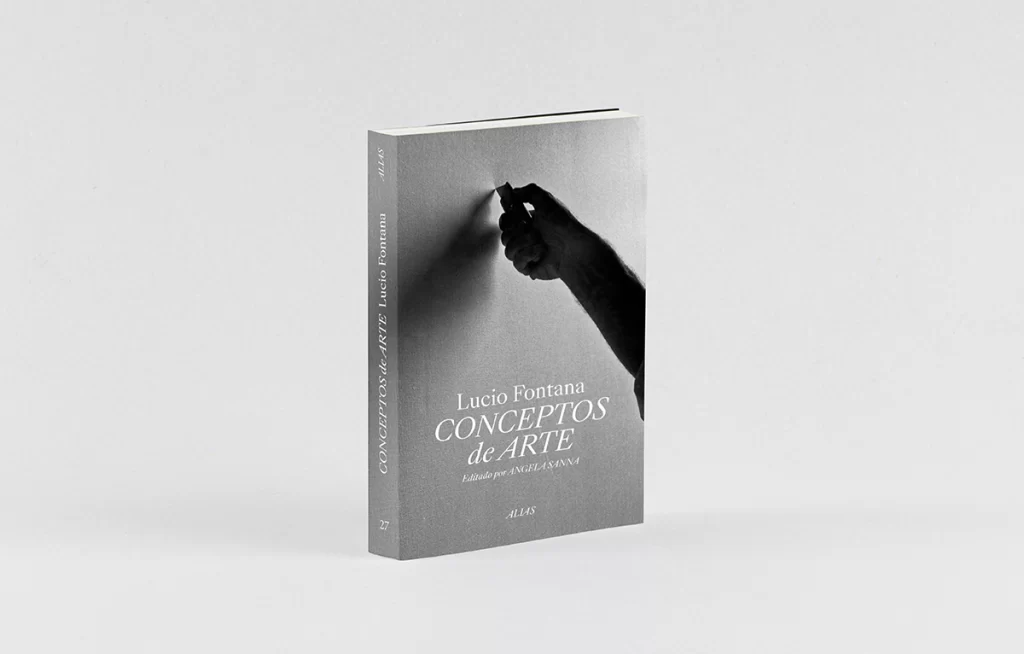
Publishers such as Alias Editorial have built a limited-print model focused on contemporary art and architecture. Runs of 500 to 1,000 copies, meticulous design, and selective distribution generate genuine scarcity. Once a title sells out, the secondary market begins to operate.
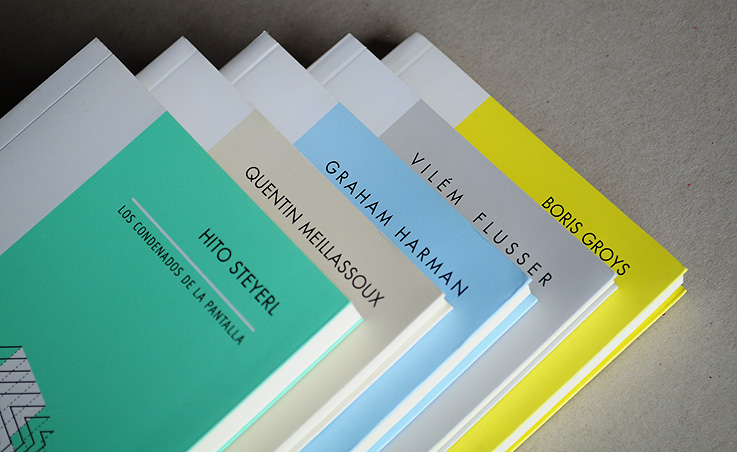
In Argentina, Caja Negra has assembled a catalog of contemporary thought with a distinctive editorial identity. Certain sold-out first editions maintain active demand among specialized readers and intellectual collectors.
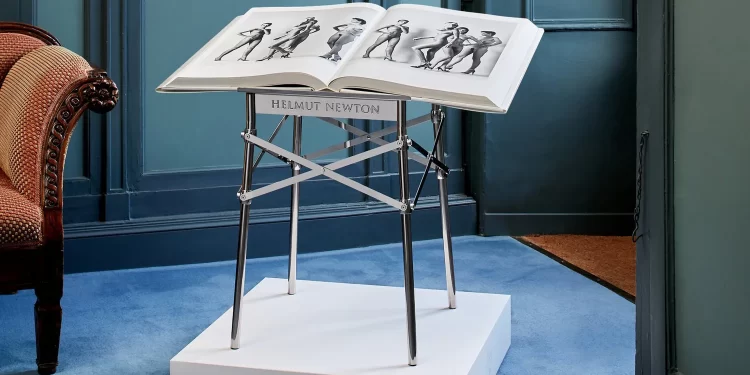
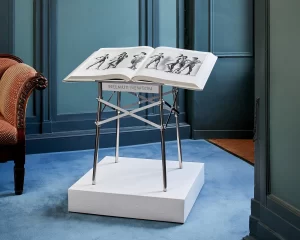
The international benchmark is Helmut Newton’s SUMO, published by Taschen — a numbered, large-format edition produced in limited quantities whose original price of approximately $1,500 was far exceeded on the resale market.
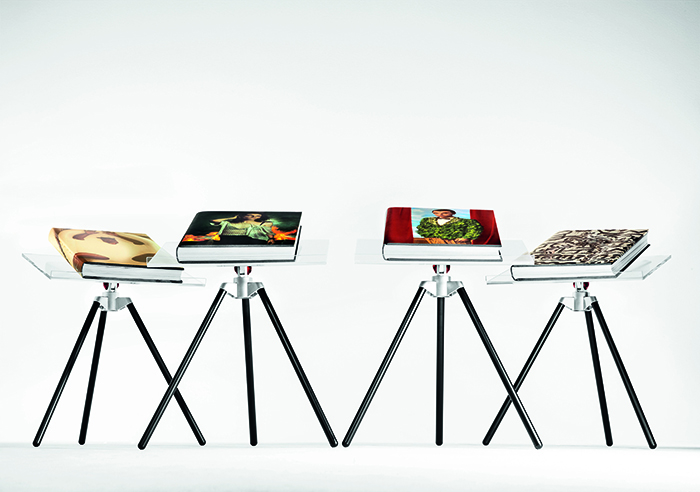
The premium book combines certified print run, an author with institutional validation, limited edition status, and publisher reputation. In Latin America, the market remains young — but its architecture is already taking shape.
The private library, it turns out, can function as a cultural portfolio and, in select cases, as a genuine store of value.


 '
'