Lab-Grown Diamonds Claim Their Place in Fine Jewelry
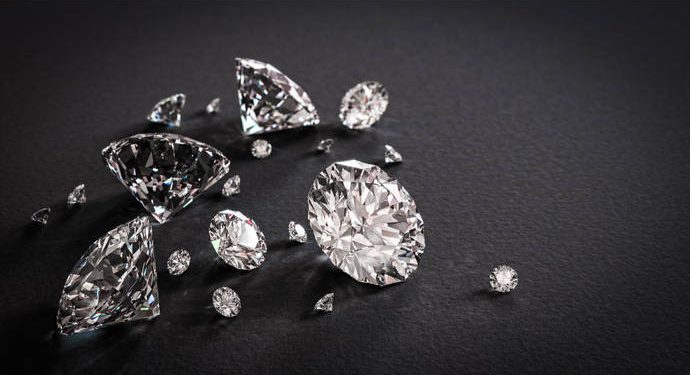
Lab-Grown Diamonds Claim Their Place in Fine Jewelry
The future of luxury is no longer measured by scarcity, but by impact. Lab-grown diamonds are positioning themselves as an ethical and sustainable alternative, while younger generations redefine what is truly valuable.
The diamond industry is undergoing a profound shift in its narrative, with sustainability claiming center stage. While it is true that the facilities producing lab-grown diamonds — particularly those using the HPHT (High Pressure High Temperature) method — are energy-intensive, an increasing number are transitioning to renewable sources, including solar, to reduce their carbon footprint. More remarkable still, emerging technologies such as Air Diamonds promise to extract carbon directly from the atmosphere, though the technology remains in its early stages.
“The path toward more sustainable production is clear and gaining momentum,” says Roxana del Valle, gemology expert.
When it comes to environmental impact, the contrast between natural and lab-grown diamonds could hardly be more stark. The extraction of natural diamonds leaves a trail of devastation: forests razed, aquifers permanently depleted, each stone carrying with it a shadow of exploitation and ethical risk. Lab-grown diamonds, by contrast, emerge as a genuinely disruptive alternative. Research from Greenwich Associates indicates that their production generates up to 85% fewer carbon emissions. For the new generation of consumers, lab-created diamonds are not an “imitation” — they are a conscious choice that reflects modern values of sustainability.
A palpable cultural shift is reshaping purchasing behavior. Millennials and Gen Z consumers are no longer focused solely on price or carat weight; they care deeply about provenance. While some still regard natural diamonds as status symbols, that perception is becoming increasingly marginal. “The democratization of luxury is real. Those who once could not access large or bespoke pieces now find in lab-grown diamonds a genuinely viable option,” argues del Valle. The GIA (Gemological Institute of America) and the IGI (International Gemological Institute) both certify the quality of these stones, but the cultural contest for their full validation continues.
Authenticity measured in certifications: the decisive role of grading reports in the diamond purchase
Acquiring a diamond without a certificate is navigating in the dark. A grading report is not merely a document — it is the product of rigorous evaluation by a certified gemologist. For consumers who lack the specialized tools to assess a stone independently, these reports are essential to guaranteeing the quality and value of their investment. While the GIA has remained conservative in its approach, the IGI has taken a decisive step forward by openly embracing lab-grown diamonds, establishing itself as the preferred certifying body for these stones.

The future points toward a landscape in which natural diamonds do not disappear, but assume a new role. Creative fine jewelry is not confined to mined stones: lab-created sapphires, rubies, and alexandrites are also staking their claim. Natural diamonds may yet evolve into collector’s objects prized more for their history and rarity than for their functional purpose.
“In the end, the essence of a diamond — whether natural or lab-grown — lies in its symbolism and the memories it represents,” concludes del Valle.


 '
'