Juan Rulfo at 73: Pedro Páramo and the Enduring Legacy of Mexico’s Literary Master
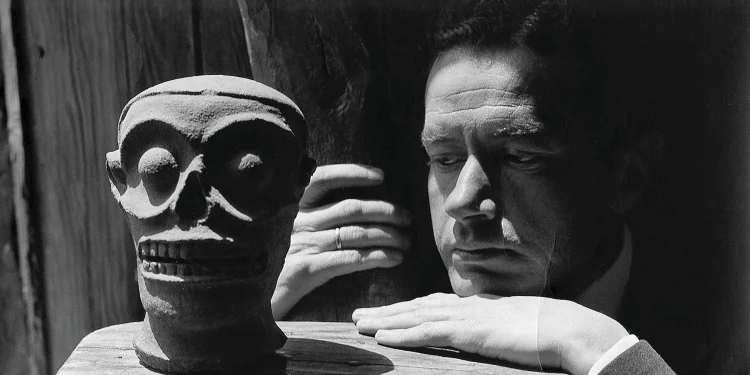
In July 2025, we mark the seventy-third anniversary of the publication of Pedro Páramo — a masterwork of world literature that continues to resonate with undiminished force. With a new film adaptation on the horizon and a narrative that defies time itself, Juan Rulfo stands as an indelible symbol of Mexico’s literary identity.
Juan Rulfo (1917–1986) was far more than the author of two iconic books — Pedro Páramo (1952) and El Llano en llamas (1953). He was a multifaceted creator whose contributions ranged from photography to anthropology. Despite a literary output that critics and readers alike have long found as fascinating for its brevity as for its brilliance, Rulfo left a legacy that extends well beyond his best-known texts. The question that endures is: why did he publish so little? Some suggest an uncompromising pursuit of perfection; others believe he simply preferred to remain at a remove from the noise of the literary world.
This year, as we celebrate 73 years of Pedro Páramo, several of his works have been reissued, opening windows onto other dimensions of this singular artist. Five recent volumes offer a panorama of Rulfo’s life and work that is both broader and more intimate than most readers have encountered.
The collection of love letters titled Cartas a Clara reveals a Juan Rulfo who is deeply human and emotionally unguarded. Written between 1944 and 1950 to his future wife, Clara Aparicio, these missives are a genuine testament to his lyrical voice. This third edition — expanded with previously unpublished documents — offers a compelling immersion into his private world. One of its most evocative lines describes how he observed “the clouds at night like tears around the clear moon”: a phrase that speaks to the transformative power of language.
Una mentira que dice la verdad, meanwhile, draws us closer to the author’s critical mind. Rulfo was a voracious reader, and this volume gathers essays and lectures that lay bare his thinking on literature. His assessments of writers from Knut Hamsun to the Brazilian masters reveal not only his influences but also his fierce desire to illuminate Latin American letters. The book is a powerful lens through which to understand his approach to literary creation.
Rulfo the photographer also demands attention. 100 fotografías de Juan Rulfo presents a remarkable collection capturing the essence of rural Mexico — its architecture, its villages, the rhythms of daily life. Each image is a visual poem that enters into dialogue with his written work in a way that few artists ever achieve. The accompanying texts confirm that his talent was never confined to prose alone.
Rulfo was also a gifted anthologist. In Retales, we encounter his literary curation at its most personal — a Rulfo the reader selecting passages from writers celebrated and obscure alike. The compilation is a testament not only to the extraordinary breadth of his personal library but to the restless curiosity that animated it. It is a reminder that literature is, above all, an unbroken conversation between voices across time.
Finally, Los cuadernos de Juan Rulfo discloses the secrets of his writing process. Far from a conventional volume, it offers an intimate look at his drafts, fragments, and stories that never saw publication — a treasure for devoted readers and a rare passage into the creative spaces that most writers keep permanently sealed.
Juan Rulfo’s legacy is an invitation to explore beyond the known. With every new discovery about his life and work, we are reminded that literature is an endless journey — rich with nuance, secrets, and revelations waiting to be found.


 '
'