Jorge de la Peña: A Monumental Sculptor
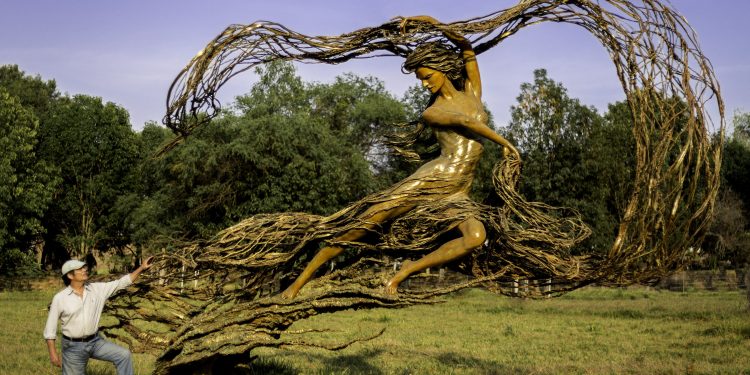
Guadalajara rests beneath its own sun when one of its most quietly extraordinary sons walks among the shadows of his creations. Jorge de la Peña’s hands tell stories that language cannot reach. In every centimeter of bronze there is a life arrested in time — a moment seized from oblivion, a gesture that refuses to die.
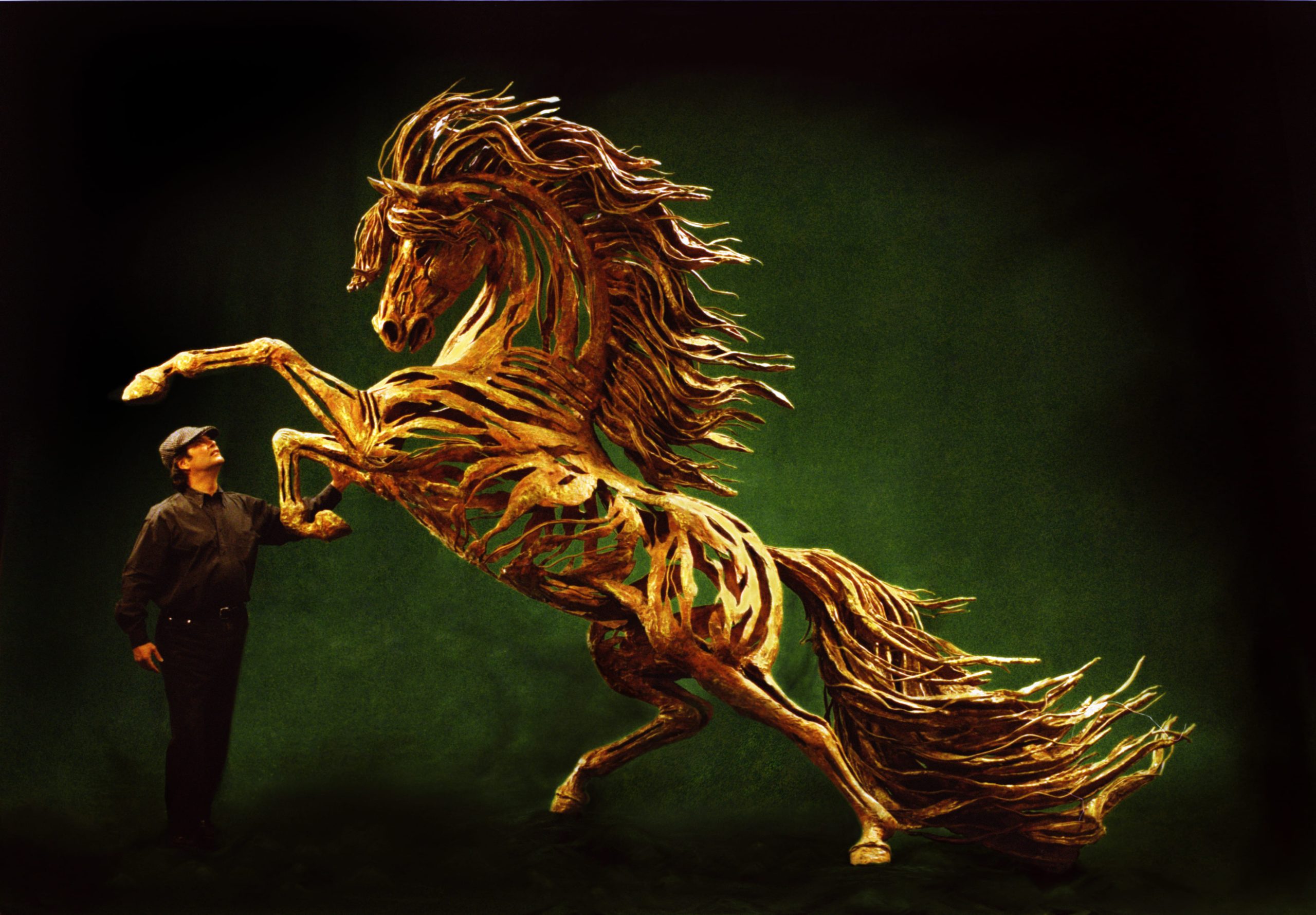
As a child, he drew horses in the margins of school notebooks. Not ordinary horses — animals that ran as though they carried the wind itself within them. Dream beasts, creatures that emerged from some remote corner of his imagination. Painting was his first love, but he soon felt that his figures needed to break free of the canvas, to rupture it, to leap into real space. And so sculpture arrived, with its stubborn resistance, its noble weight, its challenge of making the ephemeral eternal.
It is not easy to explain what drives a man to transform metal into movement, to give form to something as intangible as dance or the gallop of a horse. But Jorge de la Peña knows. He has always known. For him, art is neither decoration nor possession. It is ritual. It is memory. It is offering.
They say he has the instincts of a diviner — where others see empty space, he finds the possibility of a figure. A plaza, a roundabout, an unremarkable corner can become the stage for a work that will endure for decades, perhaps centuries. He does not fear time. On the contrary, he invites it to sit beside his sculptures and contemplate them. Because bronze, like true art, does not rust. It only ages with dignity.
SIGNATURE WORKS
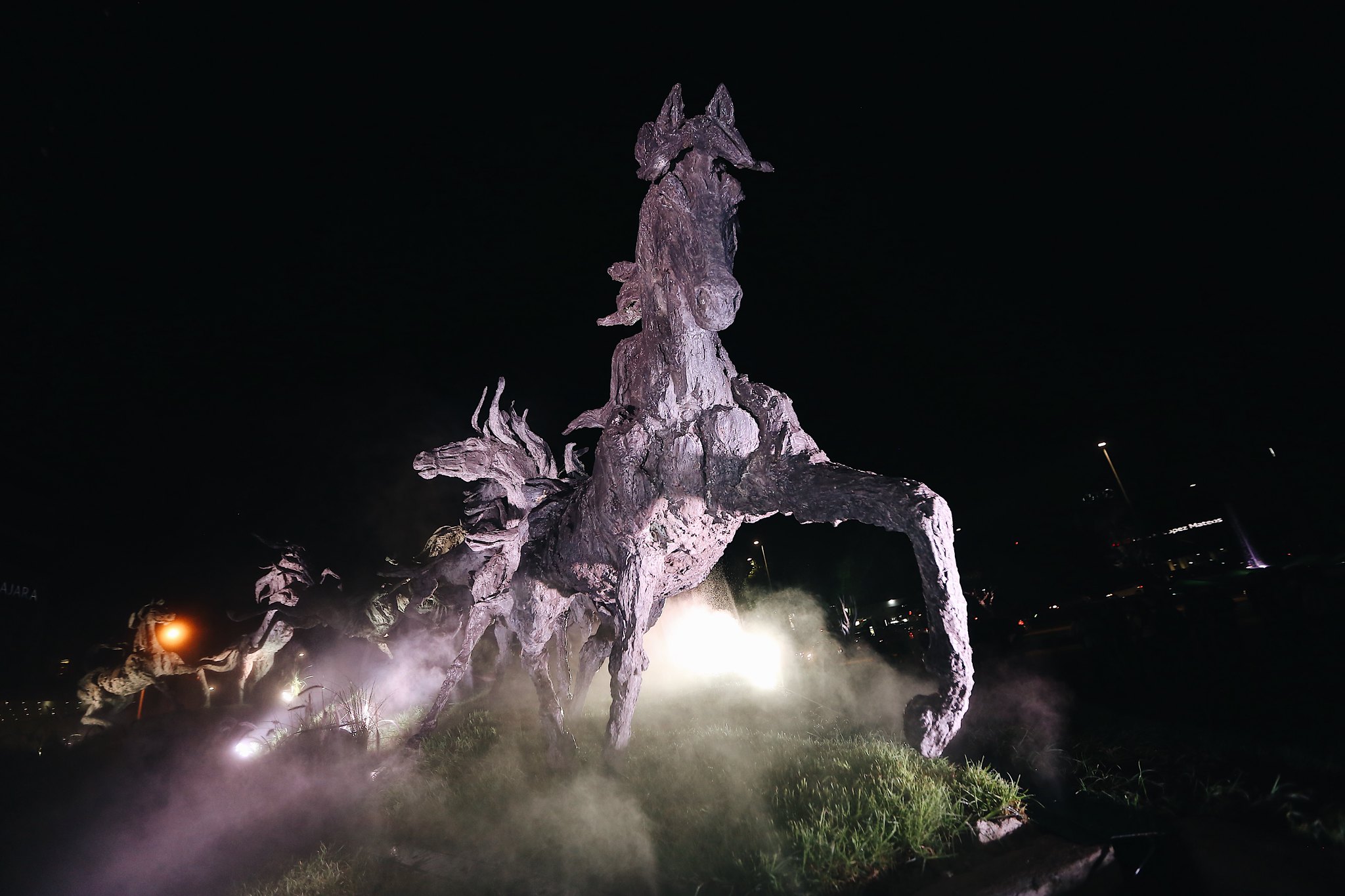
Guadalajara carries him in its bones. Its streets, its parks, its roundabouts bear his mark. Fourteen bronze horses, standing over asphalt as though they are part of the natural landscape, form “La Estampida” — the work that defines him most clearly. It is no coincidence that they stand at the intersection of López Mateos and Niños Héroes. It is as though they had spent a lifetime waiting for someone to release them from the air and give them form.
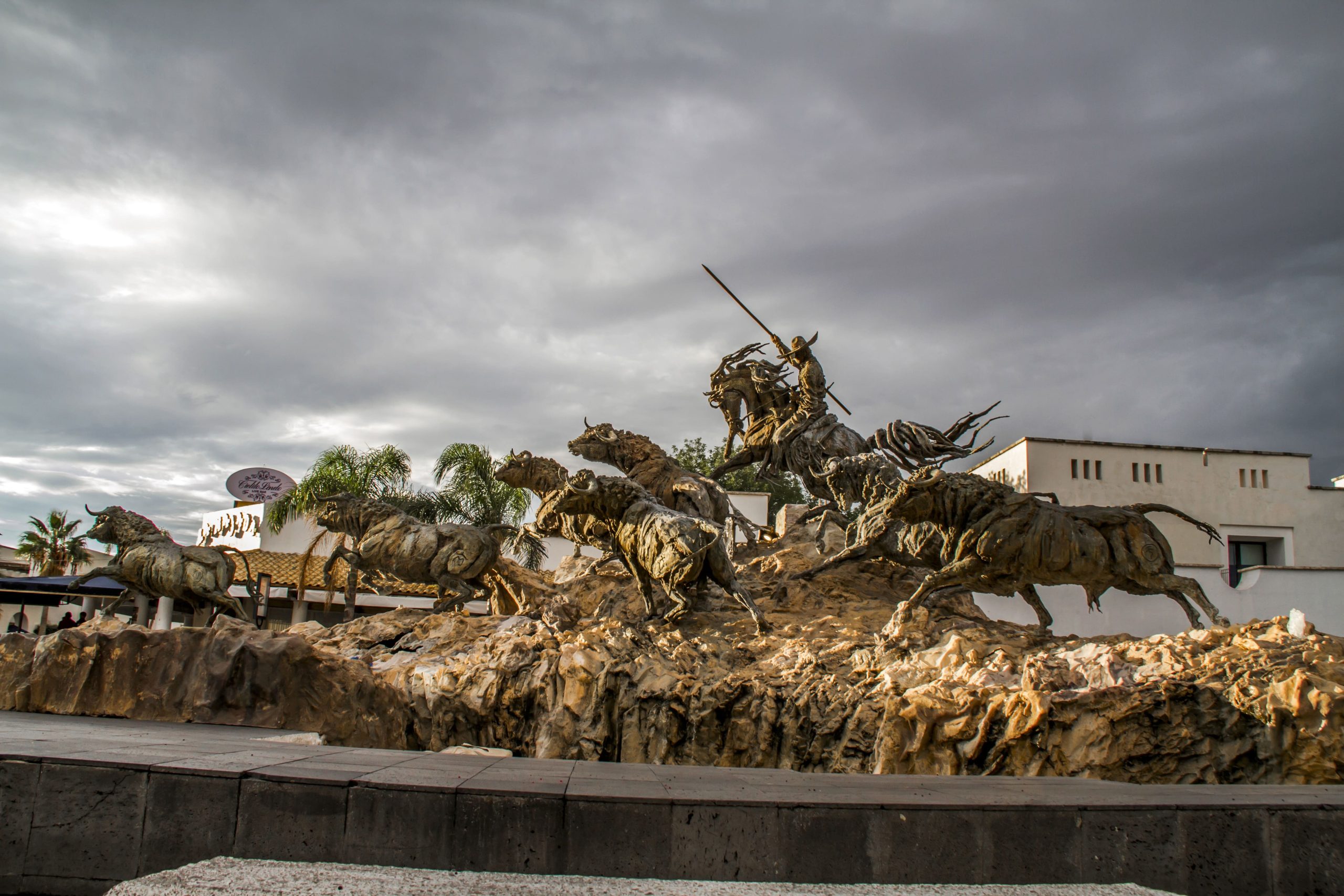
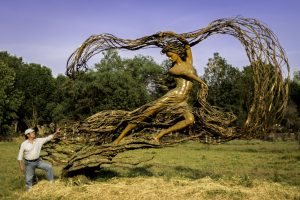
But it is not only horses. There is dance in his forms, there are bulls, there are human bodies taut with emotion, there are petrified landscapes. His sculpture “Selva” breathes like a green lung, as though its foliage might coil around the viewer and draw them into a world where nature and the human body coexist without fear. And in “Marea”, the sensuality of flamenco merges with the sea — with the memory of a melody no one sings any longer, yet one that continues to pulse within the metal.
Each piece is a battle won against forgetting. That is why he does not shy from monumental scale. Large dimensions are not vanity — they are urgency. His works must be visible, inescapable, indelible. He wants people to pass before them every day, to recognize them as part of the urban fabric, to claim them as their own.
And that is precisely what the people of Guadalajara have done. “La Estampida” has become a silent witness to thousands of personal histories — a monument that does not merely represent the identity of a city, but has become the confidant of entire generations.
Behind all of this stands a man who studied agronomy and understands the slow rhythm of trees, who loves song and music the way one loves breathing, who watches the sky with the patience of someone waiting for the clouds to tell him something. A man who needs the earth in order to create — who cannot separate art from nature, and who believes that a sculpture without landscape is like a body without a soul.
Processed with VSCO with a6 preset
NOTE
With 57 works installed across Mexico, the United States, Colombia, and Japan, Jorge de la Peña continues to work. He is in no hurry. Time, like bronze, accompanies him. He knows his figures will never speak — but they will tell stories. Stories of movement, passion, roots, and flight. Of a man who learned to see beyond matter, and decided to let the world see it too.

 '
'