History, Mysteries, and Fascinating Facts About the Louvre
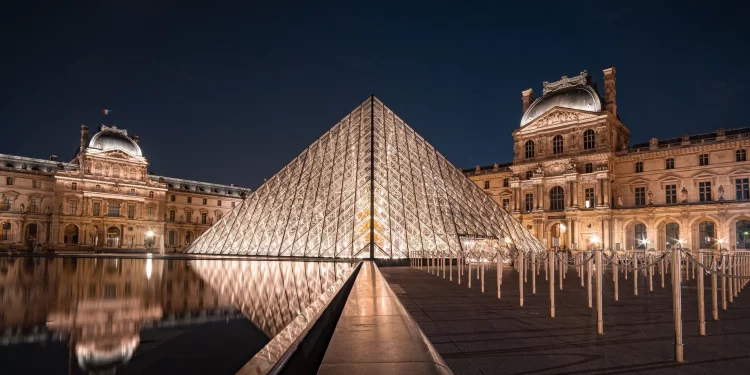
The Louvre in Paris is far more than the home of masterworks like La Mona Lisa. Its history, stretching back to the 12th century, begins as a medieval fortress built to defend the city against invasion. Over the centuries, it was transformed into a royal residence and, ultimately, into the most visited museum on earth.
During the French Revolution, in 1793, the Louvre opened its doors as a museum with a collection of barely 537 works — many of them seized from royal holdings. Its evolution did not stop there: in the 19th century, the complex even housed the Ministry of Economy and Finance, a function it retained until 1989, when the ministry relocated to Bercy to make way for a sweeping renovation.
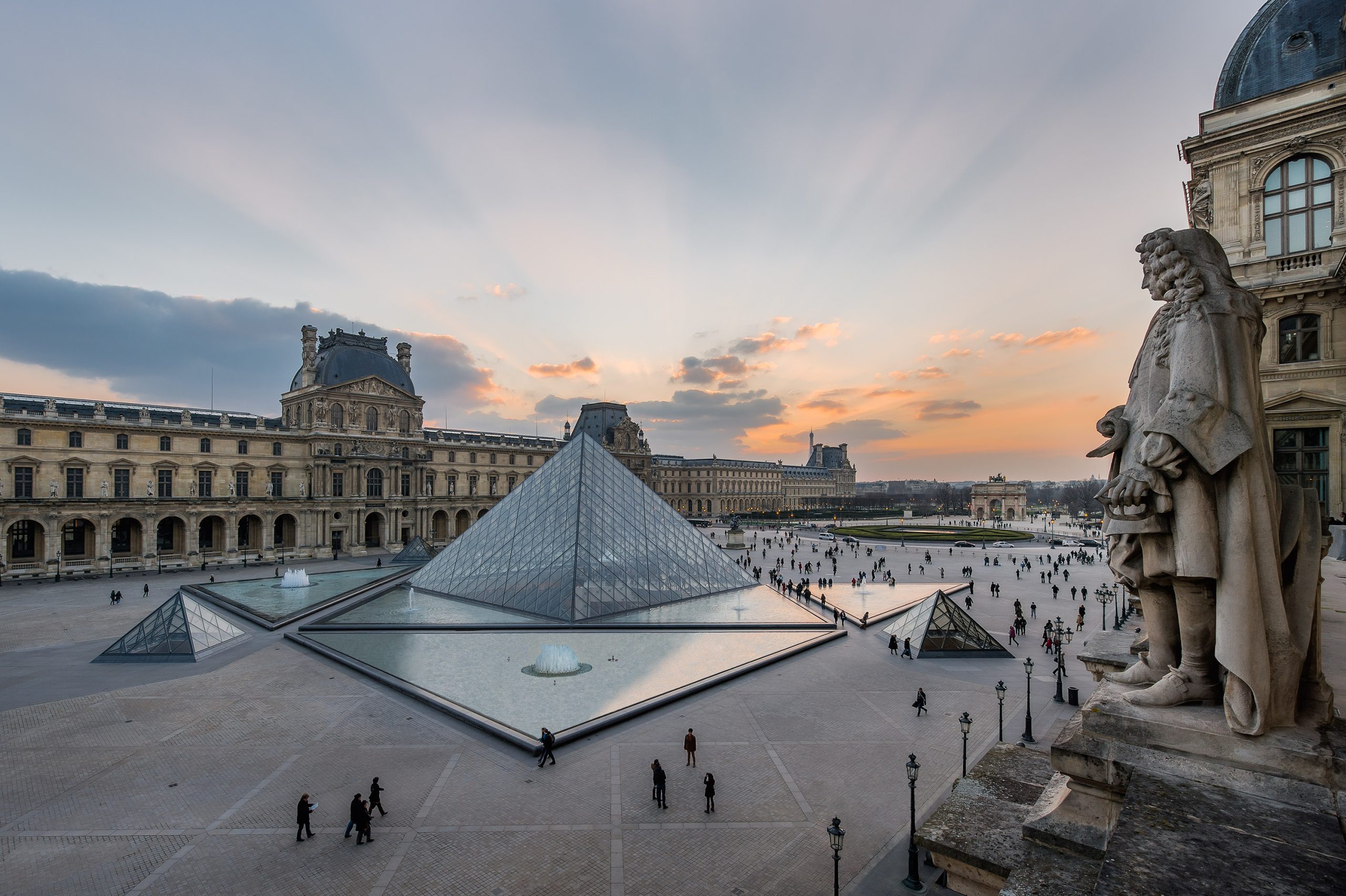
Among its most recognizable landmarks is the glass Pyramid, designed by architect Ieoh Ming Pei. Inaugurated in 1989, it was initially met with controversy for its sharp contrast with the Louvre’s classical architecture. An enduring urban legend holds that it contains 666 glass panels — a number associated with the devil — when in fact the true count is 673.
No account of the Louvre would be complete without La Mona Lisa. Its fame rests not only on that enigmatic smile, but on its brazen theft in 1911 — carried out by a museum employee. The scandal was so far-reaching that even Pablo Picasso fell under suspicion.
To visit the Louvre is to step inside a singular experience where art, history, and legend converge.


 '
'