Hermès Becomes the World’s Most Valuable Luxury Brand
Hermès Becomes the World’s Most Valuable Luxury Brand
The market capitalization of Hermès has reached $276.3 billion, crowning it the world’s most valuable luxury company and surpassing LVMH as the conglomerate faces mounting market headwinds.
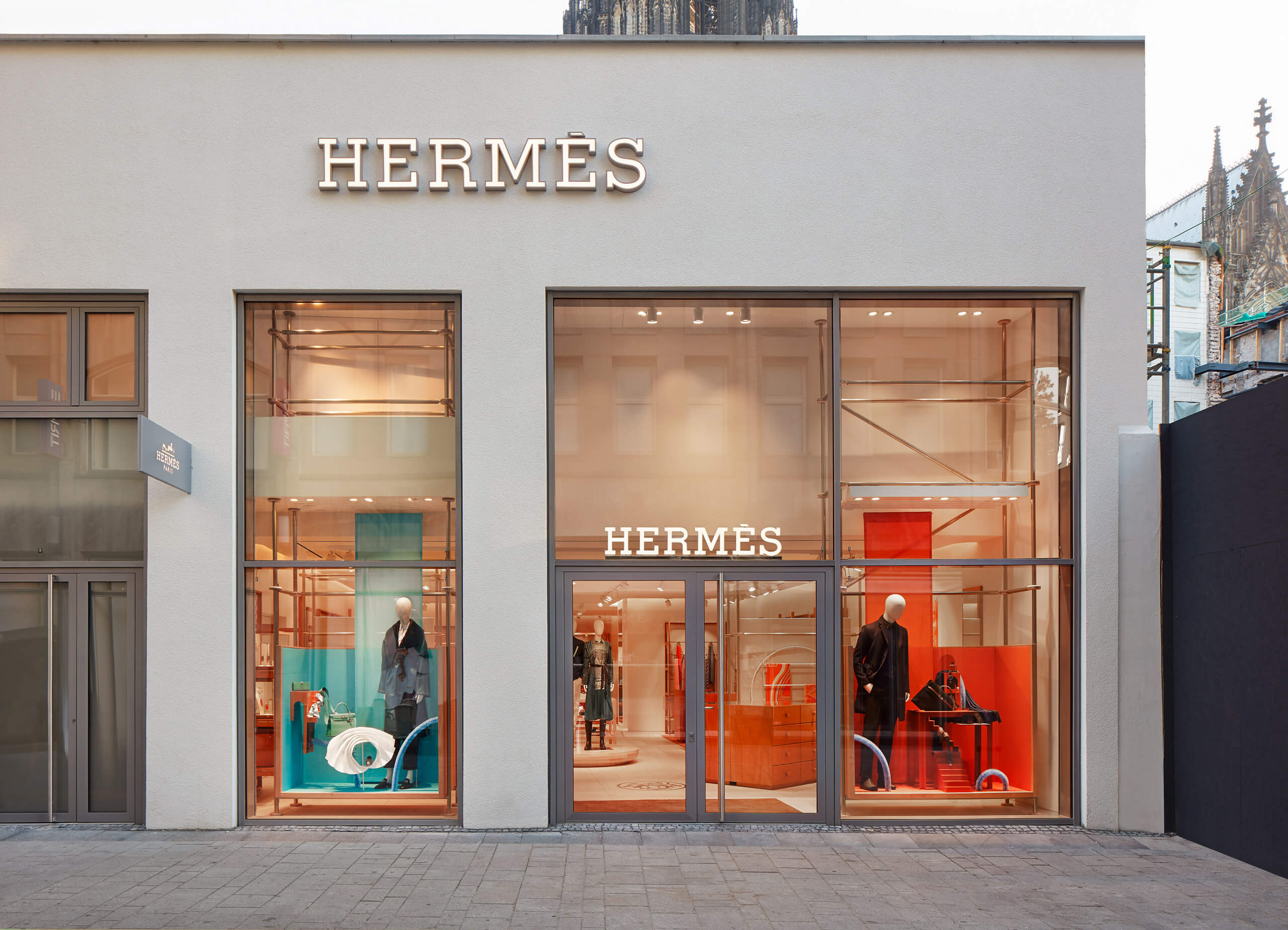
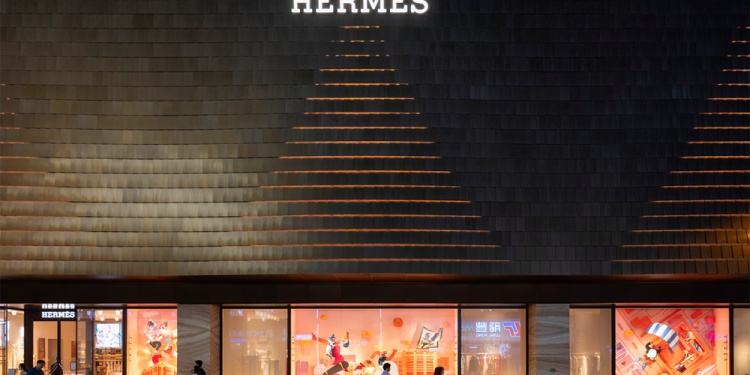
In a decisive shift across the landscape of the great luxury Houses, Hermès has surpassed its closest rival, LVMH Moët Hennessy Louis Vuitton, in the fiercely competitive arena of global luxury. The French House reached a remarkable market capitalization of $276.3 billion (€243.65 billion), edging past LVMH‘s $274.5 billion (€243.44 billion). The achievement places Hermès third among Europe’s most valuable companies — behind SAP SE and Novo Nordisk A/S — and firmly atop the CAC 40 as France’s most valuable publicly traded company.
The Keys to Hermès’s Resilience in a Challenging Luxury Market
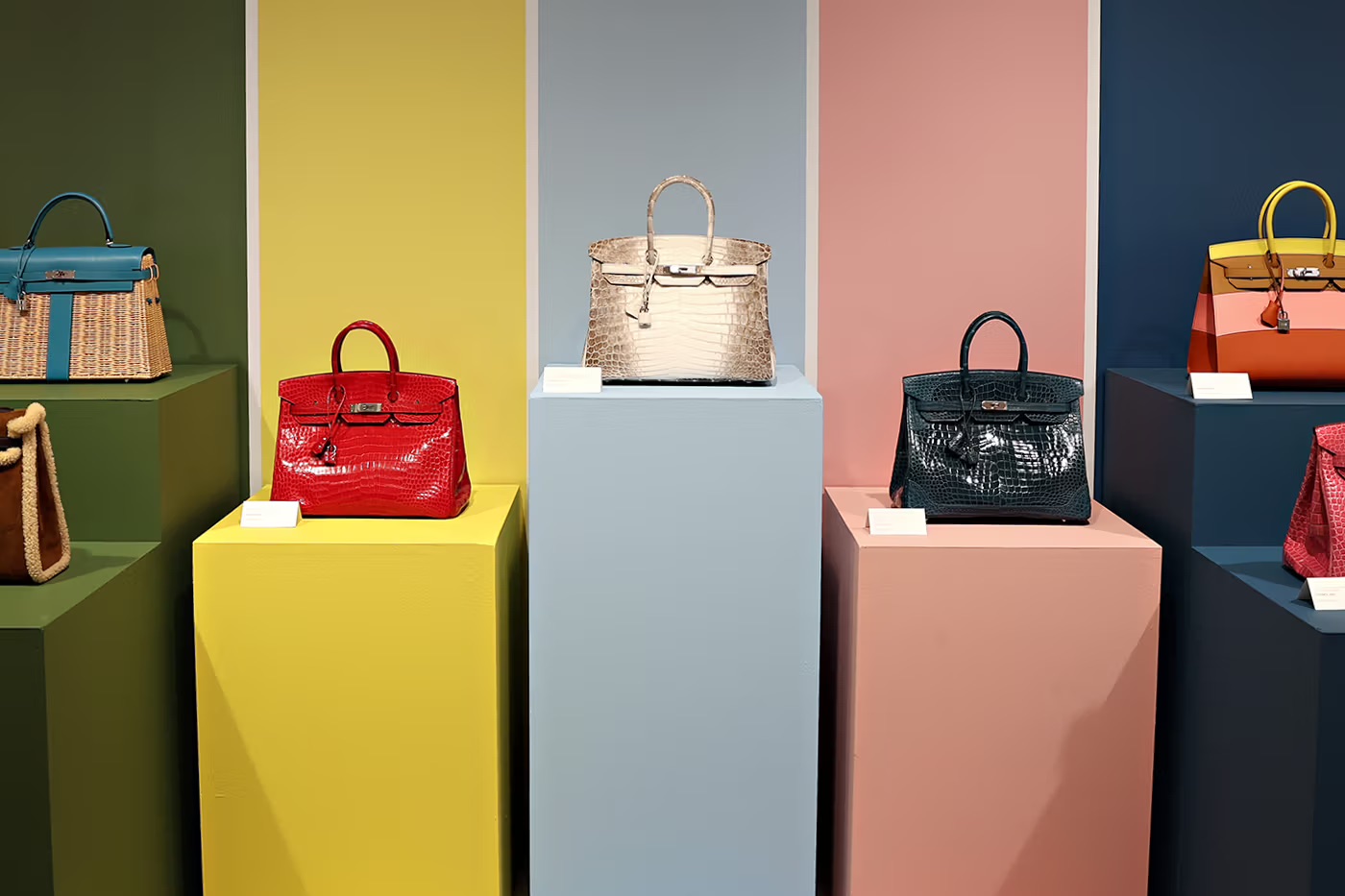
What has propelled this luxury titan to such commanding heights? While LVMH reported a 3% decline in first-quarter sales — the result of softness in the United States and China — Hermès has held its ground with quiet confidence, anchored by a product offering that simply cannot be replicated. Demand for its most coveted bags, among them the iconic Birkin and the refined Kelly, continues to outpace supply by a considerable margin — the surest guarantee of enduring luxury status. Jelena Sokolova, analyst at Morningstar, characterizes Hermès as markedly more resilient in uncertain environments, a quality that has made the House a reference point for the sector in turbulent times.
This ascent carries a particular symbolic weight, given LVMH‘s previous attempt to acquire a stake in the maker of the Birkin. In 2015, LVMH CEO Bernard Arnault made a bold move toward Hermès — one that ultimately failed when the Hermès family closed ranks and forced Arnault to divest his shares. That episode remains a defining moment in the history of both Houses, a reminder that in luxury, exclusivity and family resolve can be the most formidable of competitive advantages.
Against a backdrop of broader luxury sector deceleration, Hermès has not merely survived — it has thrived. The House posted an 11.3% increase in third-quarter sales, generating $15.9 billion (€15.2 billion) in revenue for 2024, representing 13% growth over the prior year. LVMH, by contrast, recorded a net gain of $88.27 billion in 2024 but was unable to escape an anticipated decline in sales — a pointed reminder that the path to sustained leadership in luxury is anything but predictable.
The contest for supremacy in global luxury is far from over. But Hermès’s ascent may well signal that in this industry, exclusivity — true, uncompromising exclusivity — never goes out of fashion.


 '
'