Frank Lloyd Wright: The Art of What Was Never Built
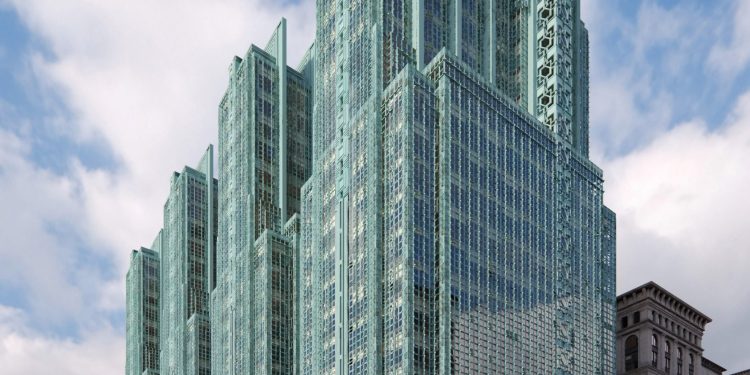
Not every great design ends as brick and mortar. In the history of architecture, some of the most revolutionary ideas were never realized. But that does not mean they died. In the case of Frank Lloyd Wright — the American genius who defined organic architecture in the 20th century — his unrealized projects are now finding a second life. A new artistic installation reinterprets his forgotten plans, transforming the past into possibility.
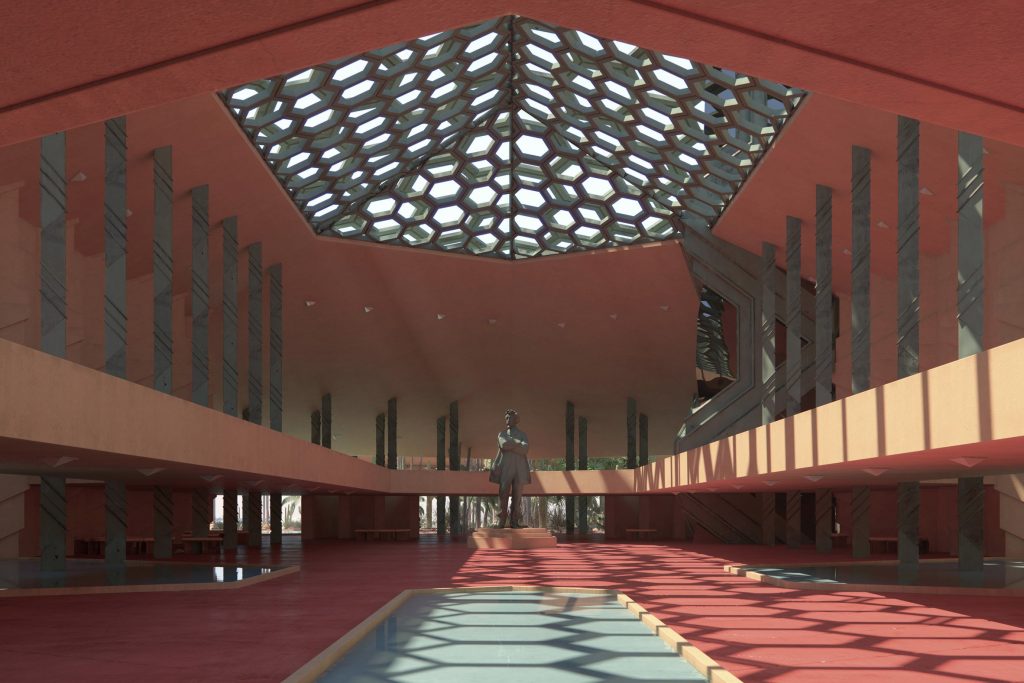
The project — conceived by visual artist and designer David Lebée — is not a museum of what might have been. It is an immersive proposition in which architecture becomes light, movement, and emotional narrative. Drawing inspiration from one of Wright’s unpublished designs for Phoenix, Arizona, Lebée has constructed a large-scale installation that deploys suspended structures, dynamic projections, and enveloping sound. The aim: to translate architectural language into feeling.
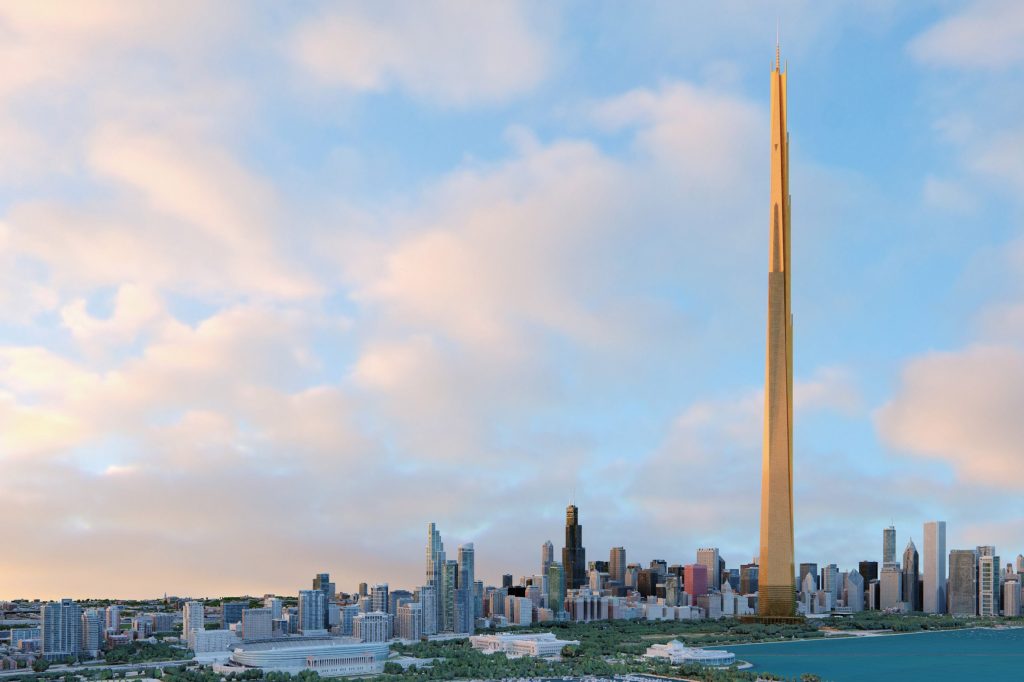
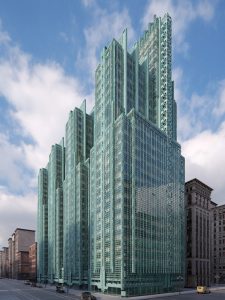
Wright designed more than 1,000 projects over the course of his life. Slightly more than 500 were built. The rest live on in drawings, models, and archives — among them proposals such as the Broadacre City Plan, a vision of radical urban decentralization, and The Illinois, a skyscraper exceeding 1.6 kilometers in height. Ideas that outpaced the engineering of their era, yet continue to inspire architects, urbanists, and artists alike. Lebée’s installation, currently on view at the Frank Lloyd Wright Foundation at Taliesin West in Scottsdale, Arizona, sets these visions in dialogue with contemporary tools — 3D mapping and sensory scenography among them.
The piece, titled Luminous Horizon, does not seek to reconstruct — it seeks to reimagine. “Architecture is not only what you physically inhabit. It is also what you dream,” Lebée told ArchDaily. And it is precisely there that the work finds its power: in making us feel the emotional weight of an architecture that was never erected, yet never stopped influencing.
Why the Unbuilt Matters
In an era defined by speed and tangibility, revisiting so-called ghost projects might seem an indulgence. Yet a growing number of creatives — from designers to real estate developers — find in these ideas a genuine point of departure. The unbuilt is unburdened by budgets or building codes. It represents the “what if” — that impulse which, more than any completed structure, tends to drive real innovation.
Technology has made this kind of inquiry far more accessible. Tools such as Unreal Engine, augmented reality, and parametric modeling software allow architects to inhabit space without breaking ground. In Mexico, firms such as Rojkind Arquitectos have employed renders and virtual experiences to present visions that have no site yet but already command serious conversation. In Europe, institutions including the Centre Pompidou and the Vitra Design Museum have mounted exhibitions devoted entirely to unrealized architectural utopias.
Who Visits These Installations?
Beyond art and architecture enthusiasts, the audience includes real estate executives, collectors, and luxury brands seeking alignment with the highest levels of design. The Taliesin West exhibition has drawn representatives from Apple, Tesla, and Airbnb, as well as investment funds exploring the financing of new cultural spaces. The sensory experience — where the digital and the architectural converge — offers a compelling new vehicle for building brand identity. It comes as no surprise that companies are beginning to explore this kind of intervention for their headquarters and VIP experiences.
The installation is not merely a tribute to Wright. It is an invitation to see failure not as an ending, but as a creative pause. Many of his ideas were abandoned for want of technology, political opposition, or sheer economic impossibility. Today, in an entirely different context, they resonate with unexpected force.
Luminous Horizon asks us to look beyond outcomes. How many projects remain suspended — by fear, by a failure of vision, or because the moment has “not yet arrived”? And how many of them might redefine entire industries if they found a new language — art among them — through which to speak?
For creative leaders, the lesson is unambiguous: not everything must be built in concrete to leave a mark. Sometimes, an idea held in suspension may prove more powerful than any completed building.


 '
'