Fine Writing Instruments: The Object That Closes Deals
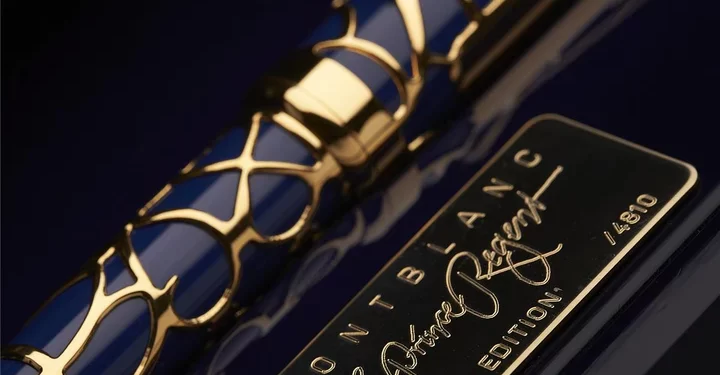
In the universe of consequential decisions, certain gestures are never announced. They are simply executed. The signing of an agreement — the acquisition of a company, the launch of a fund, a strategic alliance — retains a physical moment. And in that instant, the instrument matters.
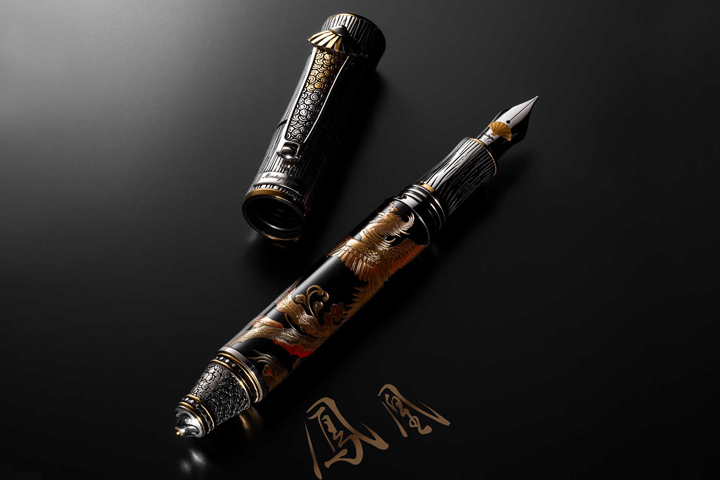
Fine writing instruments do not function as accessories. They become extensions of identity — pieces designed to accompany the closing of a negotiation and, in many cases, to endure as silent witnesses to the agreement itself.
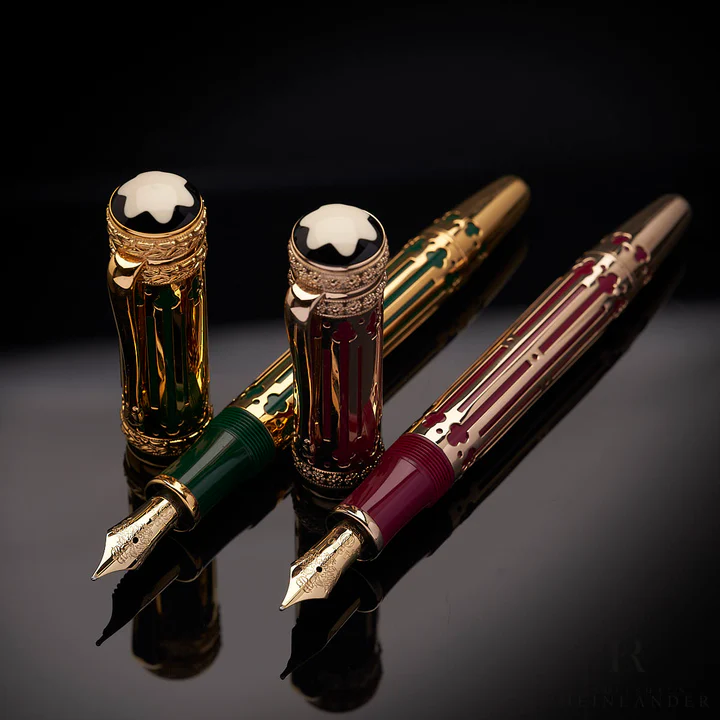
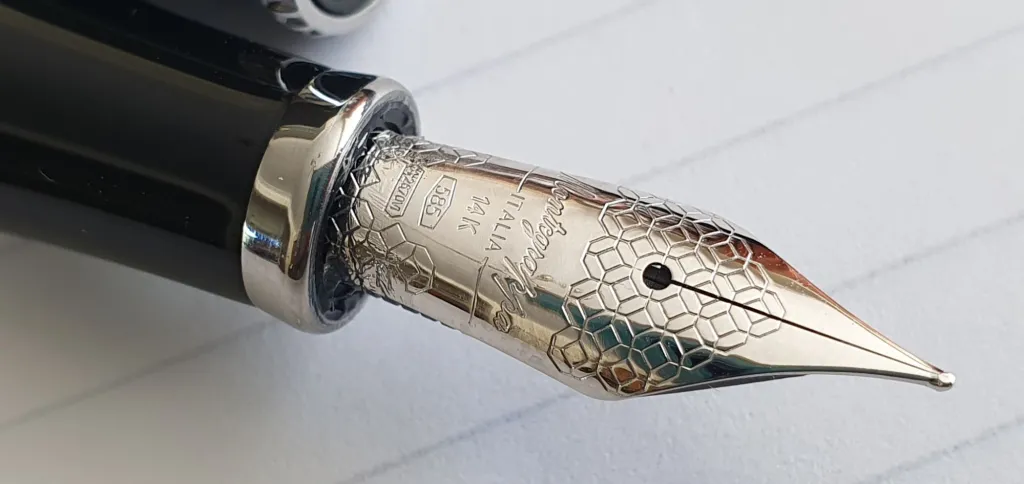
Houses such as Montegrappa, Montblanc, Caran d’Ache, Graf von Faber-Castell, and S.T. Dupont produce collector’s pieces governed by a clear principle: investment and permanence. Solid gold, hand-applied lacquer, individually calibrated nibs. Every element is designed to transcend immediate use.
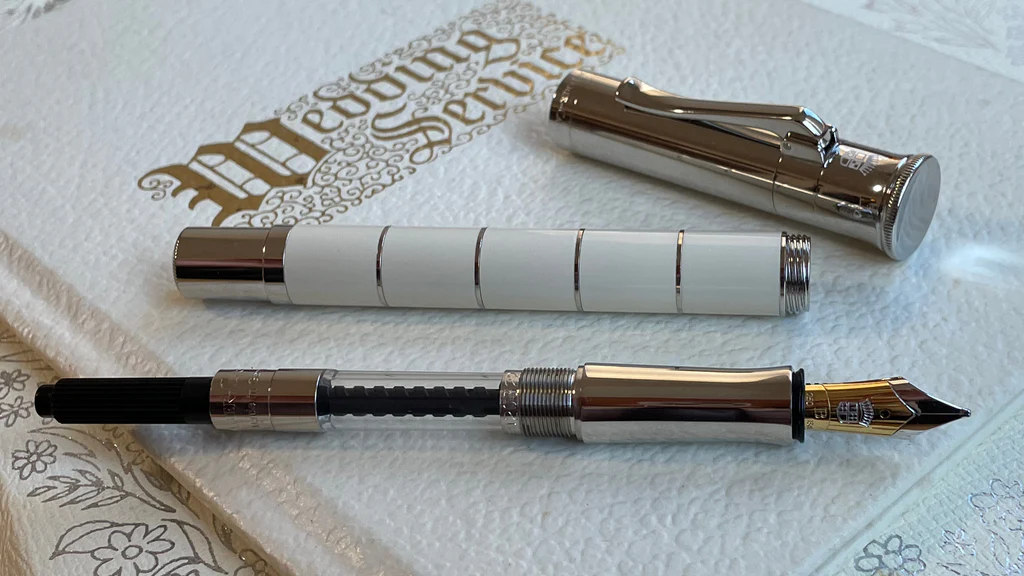
In high-stakes negotiation settings, these pieces serve a precise function. They are not ceremonial gifts. They are post-closing offerings, chosen to reflect the value of the deal and the relationship forged between the parties. The selection is never casual — it corresponds to the magnitude of the transaction and the profile of the recipient.
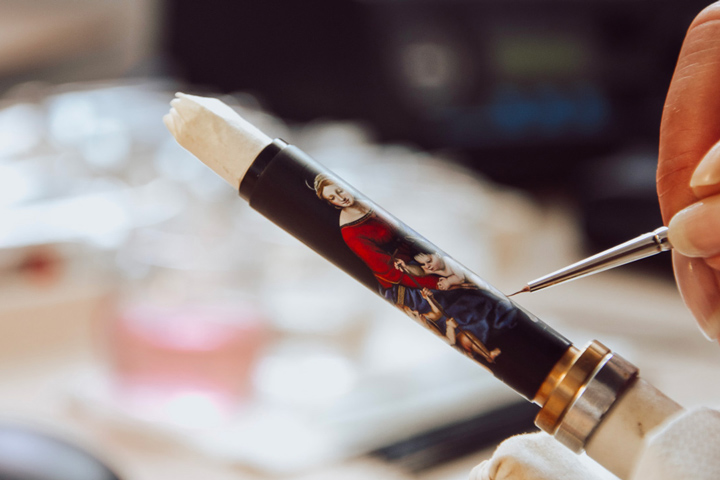
A single pen can easily surpass $100,000 at the most rarefied tier, with secondary-market examples reaching upward of $8 million. Yet the value does not reside in the price alone. It lies in the moment the instrument encapsulates: who presents it, when it is presented, and what it represents within the arc of the negotiation.
When the decision materializes, the object acquires an entirely different significance. The signature does not merely formalize a document. It defines a turning point.
The pen endures.


 '
'