Europe’s Longest Runway
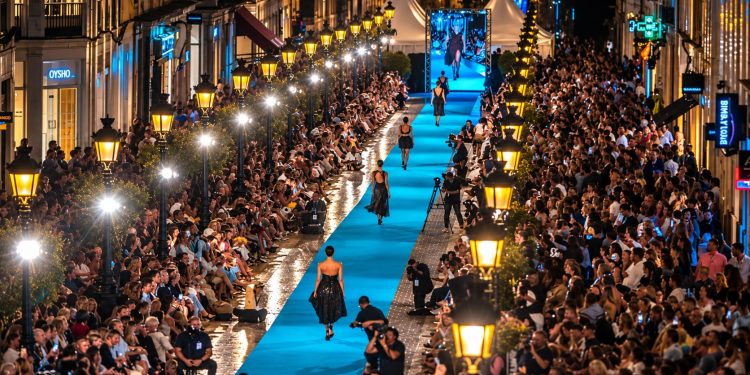
While fashion’s capitals seal their shows to a few hundred guests, Málaga opened its runway to thirty thousand. When Larios Street ceases to function as a commercial thoroughfare and becomes a catwalk, the format shifts fashion from the closed venue to the public square — selling not merely a collection, but transforming an iconic street into an urban showcase, a tourism destination, and a brand platform for the city itself.
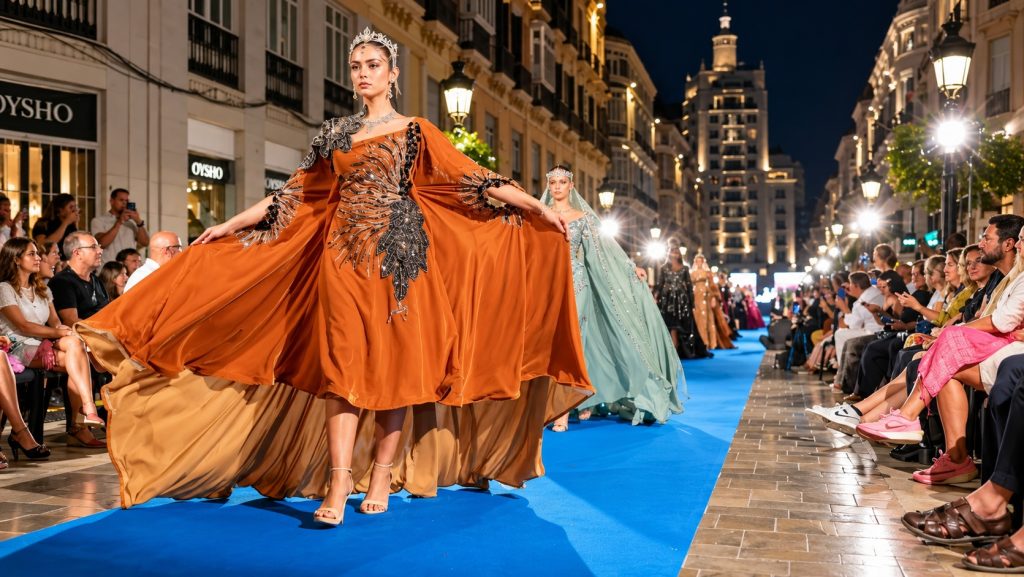
Pasarela Larios Málaga Fashion Week marked its fifteenth edition: three hundred and fifty meters of blue carpet, one hundred designers, and the only open-air European runway staged on a street in the heart of a historic city center.
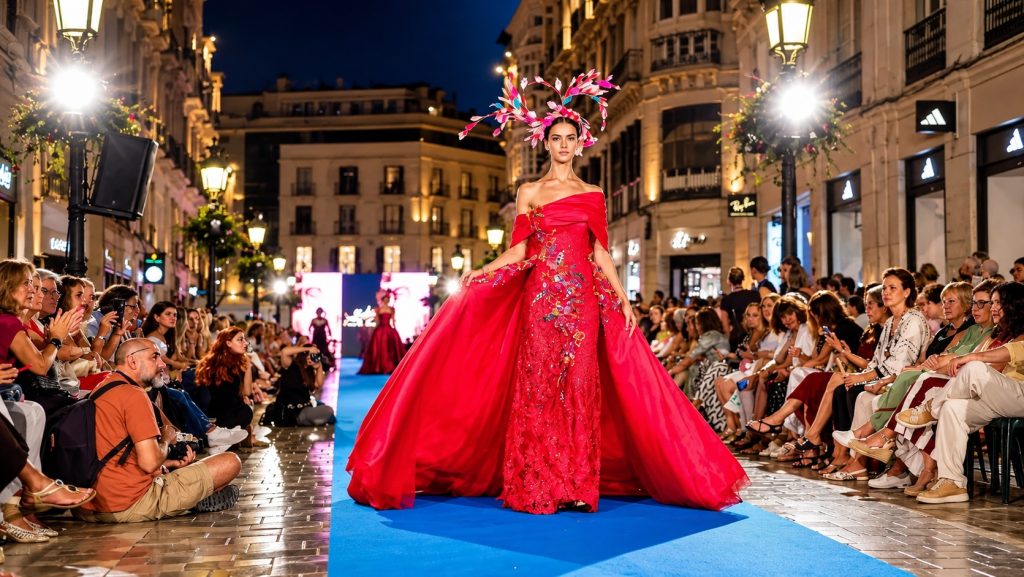
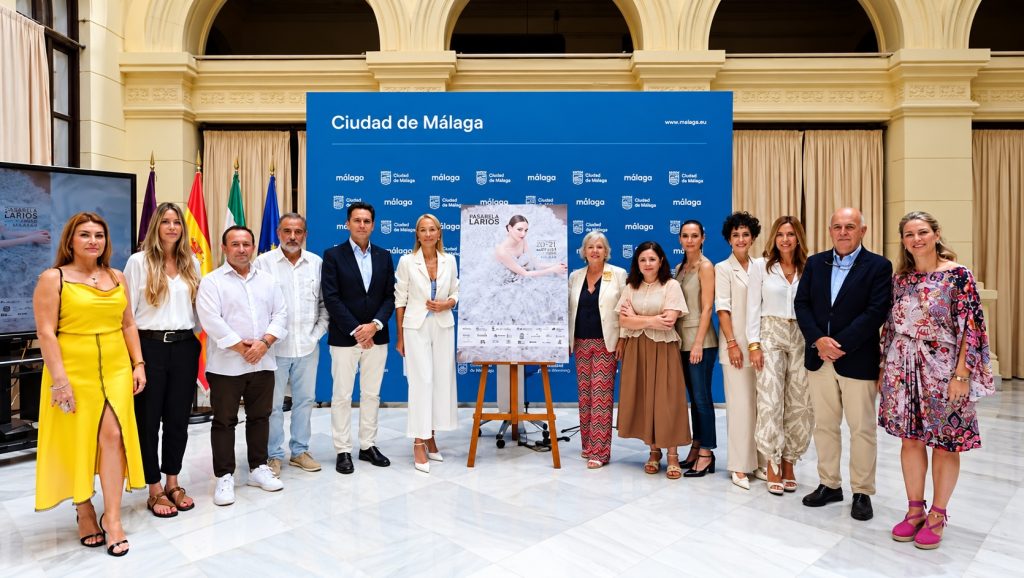
Ángel Schlesser received the Alfiler de Oro 2026 for career achievement. Ágatha Ruiz de la Prada, Moncho Heredia, Félix Ramiro, and Juan Carlos Armas completed the main lineup. Fourteen emerging designers competed in the Talento y Creatividad competition.
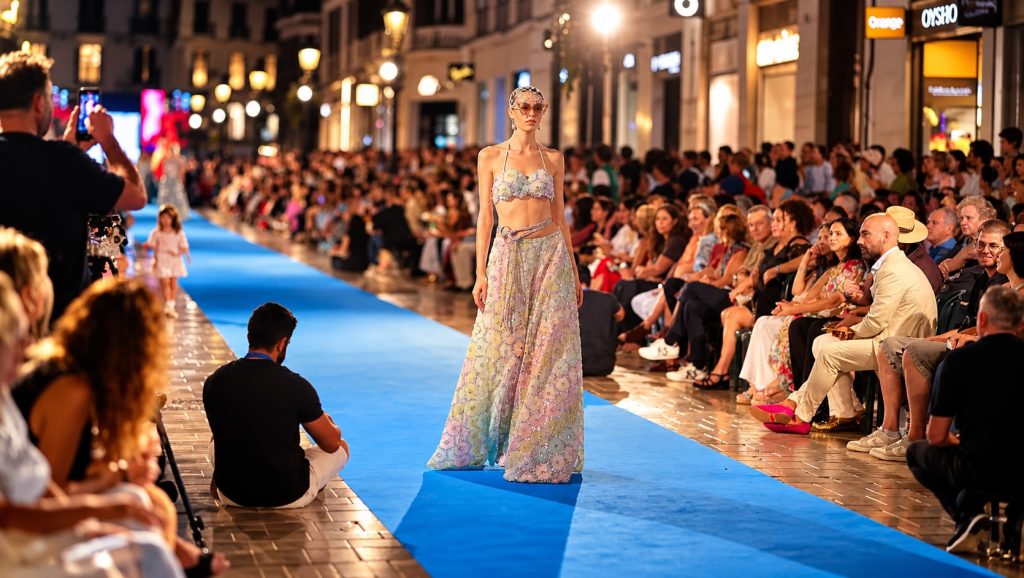
The edition drew thirty thousand attendees over two days and more than one hundred media outlets. Fundación Unicaja, the Junta de Andalucía, and the city government provided institutional backing. The economic impact extended to premium hotels, restaurants, and retail throughout the city.
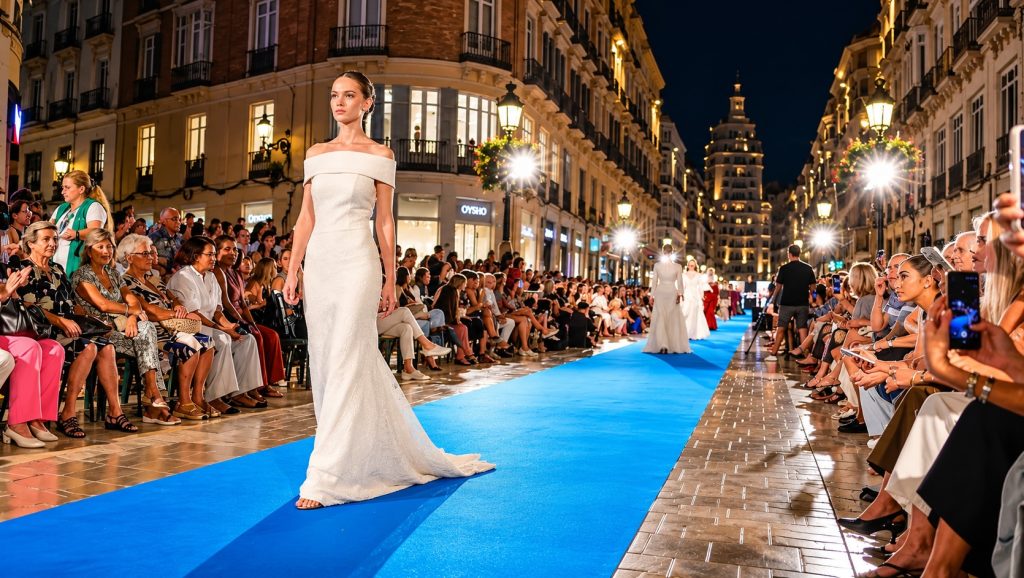
Málaga arrived at this moment with a heritage street of distinguished architecture — the most expensive in the city and the eleventh most expensive in Spain. The city had already been resonating as a premium destination in southern Europe. This runway event cements its standing as a fixture on the annual fashion calendar.
Paris, Milan, and London guard their exclusivity behind closed doors. Málaga took the runway to the street.

 '
'