Degenerate Art in the Nazi Era: A Revelatory Exhibition in Paris Reclaims Cultural Diversity
Degenerate Art in the Nazi Era: A Revelatory Exhibition in Paris Reclaims Cultural Diversity
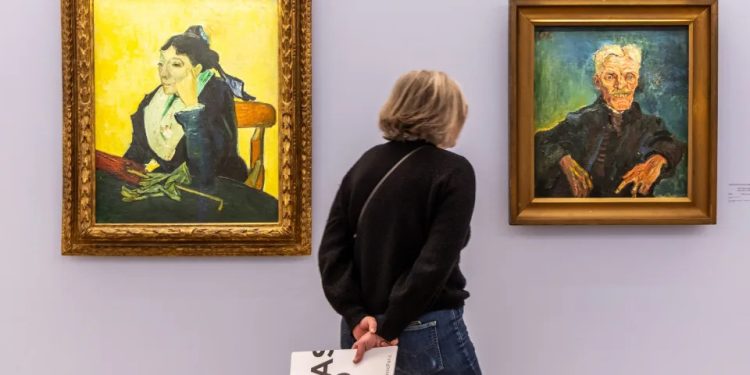
Paris, Feb. 14 (EFE).— The aesthetics of Nazism extended far beyond political and social ideology, expressing itself in a ferocious purge of artistic life. This dark chapter in art history — one devoted to stripping value and dignity from the work of artists such as Pablo Picasso, Marc Chagall, and Vassily Kandinsky — is now the subject of a landmark exhibition at the Musée Picasso in Paris, presented under the title Degenerate Art: The Trial of Modern Art Under Nazism.
The Suppression of Modern Art: A Painful Legacy
The exhibition revisits the legacy of the propaganda exhibition Entartete Kunst (Degenerate Art), staged in Munich in 1937, which assembled some 600 works by modern artists for the purpose of public humiliation. Drawing on the writings of thinkers such as Max Nordau and Paul Schultze-Naumburg, the original show sought to cultivate social contempt for any art that deviated from the aesthetic standards imposed by the Nazi regime.
In a press briefing, curator Johan Popelard described how the Nazis interpreted artistic modernity as a disease threatening the integrity of the Volk. This distorted vision gave rise to a strategy of “cleansing the temple of art” — systematically purging from museums and public spaces any works deemed, under the ideology of the Third Reich, to contaminate society.
An estimated 20,000 works were seized across Germany. Many were destroyed outright; others were displayed in denigrating exhibitions or sold on international markets — a means of spreading what the regime considered a “contagion” among Germany’s enemies. Each confiscated piece represented not only the loss of an artistic patrimony but a direct assault on the cultural diversity of the age.
Art as Resistance: Picasso and Chagall Against Nazism
Among the most emblematic cases of this persecution is that of Marc Chagall, whose work La Prise (Rabbin) was subjected to an intense campaign of vilification. His identity as a Jewish artist and a modernist made him a primary target of Nazi fury. The exhibition at the Musée Picasso affirms its commitment to restoring visibility to his work and to that of other persecuted artists of the period, bearing witness to the richness and diversity that a totalitarian regime sought to erase.
Pablo Picasso, whose influence on 20th-century art remains unrivaled, became a defining symbol of resistance against Nazism. The regime deployed him as the archetype of aesthetic degeneracy, yet his legacy has endured as a banner raised against totalitarianism in all its forms. Works such as the iconic Guernica stand as testament to the determination of artists and the public alike to resist the repressive tide of their time.
Opening its doors on February 18, the exhibition promises to be far more than a survey of modern art history — it is a profound meditation on art’s capacity to endure in the face of oppression. Paris, with its unparalleled artistic heritage, once again assumes its role as a beacon, reminding the world of the imperative to safeguard diversity and freedom of expression.
Degenerate Art: The Trial of Modern Art Under Nazism does not merely illuminate a forgotten chapter in art history — it examines the enduring implications of cultural censorship and persecution. At a moment when art can serve equally as an instrument of liberation or a tool of control, history offers an unambiguous lesson: the protection of creativity and pluralism is not optional. It is essential.


 '
'