Creative or Analytical?
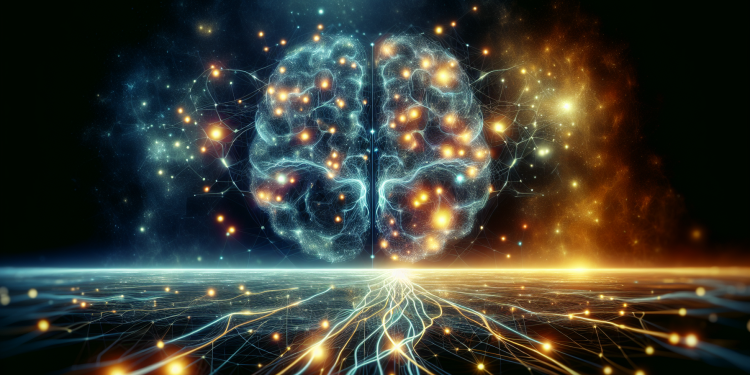
The belief that the human brain is strictly divided into a creative hemisphere and an analytical one has been deeply embedded in popular culture for decades. Recent neuroscience research, however, reveals a far more nuanced — and considerably more fascinating — picture of how the brain actually operates.
A meta-analysis of visual information processing conducted by researchers at the Picower Institute at MIT has demonstrated that both hemispheres of the brain work in intimate collaboration. This deep interconnection enables not only three-dimensional comprehension of visual information, but also optimizes the neural resources essential to our survival.
The study, set to be published in the journal Neuropsychologia and led by Earl K. Miller and his colleagues, underscores the brain’s inherent perceptual limits: our visual attention can focus on only a finite number of elements at any given moment. When one hemisphere is monopolized by a single task, we risk losing the valuable perspectives generated by the opposite side of our visual field.
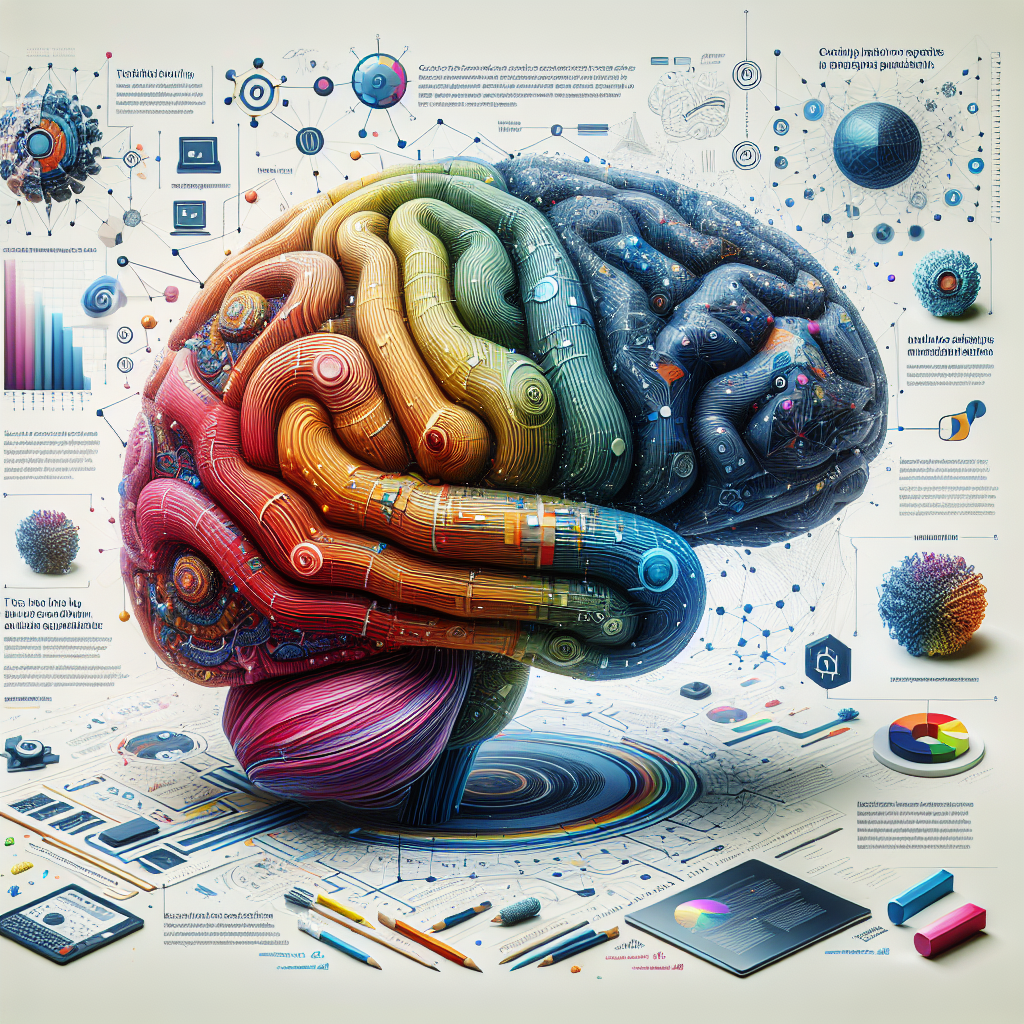
The brain, in its remarkable design, features a crossing of signals at the optic chiasm, where visual input from each eye is routed to the opposite hemisphere. This architecture allows the brain to capture and process information in a unified, more complete form.
Despite the popular notion that each of us possesses a dominant hemisphere, the current consensus among neuroscientists is unambiguous: that idea is a myth. Both sides of the brain collaborate continuously in shaping our abilities and personality, making it an extraordinarily efficient system.
What the evidence makes clear is that we think with the whole brain — and that the simplistic division into creative and analytical hemispheres fails entirely to capture the complexity of our neural machinery. In a professional world that places ever-greater value on creativity, there is something genuinely liberating in recognizing that no magical capacity resides on one privileged side. It is the synergy of both hemispheres, working in concert, that drives innovation and fuels our capacity to solve the problems that matter most.


 '
'