Artificial Intelligence Reimagines Images in the Style of Studio Ghibli
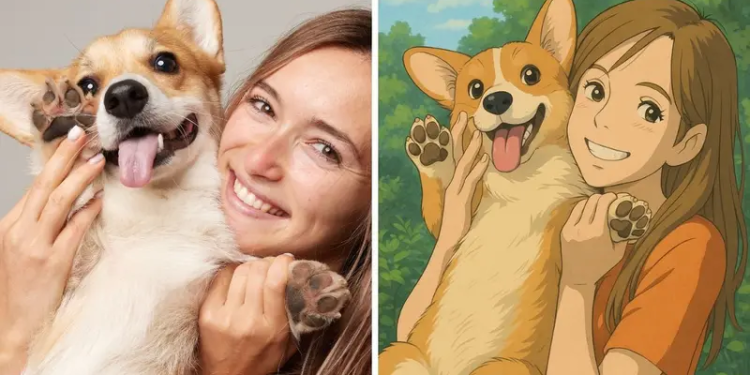
Artificial Intelligence Reimagines Images in the Style of Studio Ghibli.
Social media was flooded, weeks ago, with images evoking the unmistakable aesthetic of Studio Ghibli — made possible by OpenAI’s new image generation capability, which has sent visual art in an unexpected direction. The phenomenon has also ignited a searching debate about the future of creativity and the meaning of art in the age of artificial intelligence.
The virality has been remarkable. Millions of users turned to ChatGPT-4o to transform their personal photographs into works that recall the singular vision of Hayao Miyazaki. Through simple prompts — “a Studio Ghibli-style illustration of my dog in the park” — anyone can access the experience. Yet behind the magic lies an unsettling question: are we trivializing the life’s work of one of animation’s true masters?
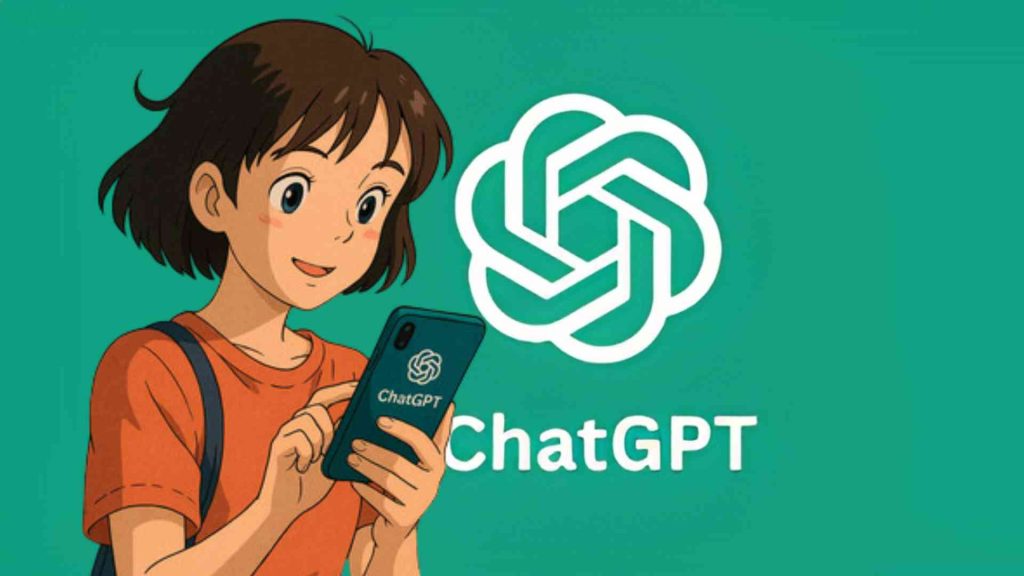
It is no coincidence that this new wave has revived Hayao Miyazaki‘s celebrated critique of AI, in which he described it as “an insult to life itself.” His disdain reflects a deeper anxiety in the artistic world: can an algorithm ever truly replicate the human spirit in artistic creation? His position has resonated with particular force in recent weeks, as many ask whether this kind of emulation risks stripping art of its singularity — reducing it to a standardized product.
Admiration for the Ghibli Legacy and Its Impact on Contemporary Creation
OpenAI CEO Sam Altman has not shied away from the debate. In his defense of artificial intelligence in the creative sphere, he has argued that while not everything AI produces is profound or meaningful, the technology can democratize access to art. Rather than displacing human skill, he suggests AI could drive a surge in design demand, drawing more people into the creative process. Yet this democratization raises its own question: whether the essence of iconic artistic styles — Ghibli’s among them — will be diluted in a sea of reproductions.
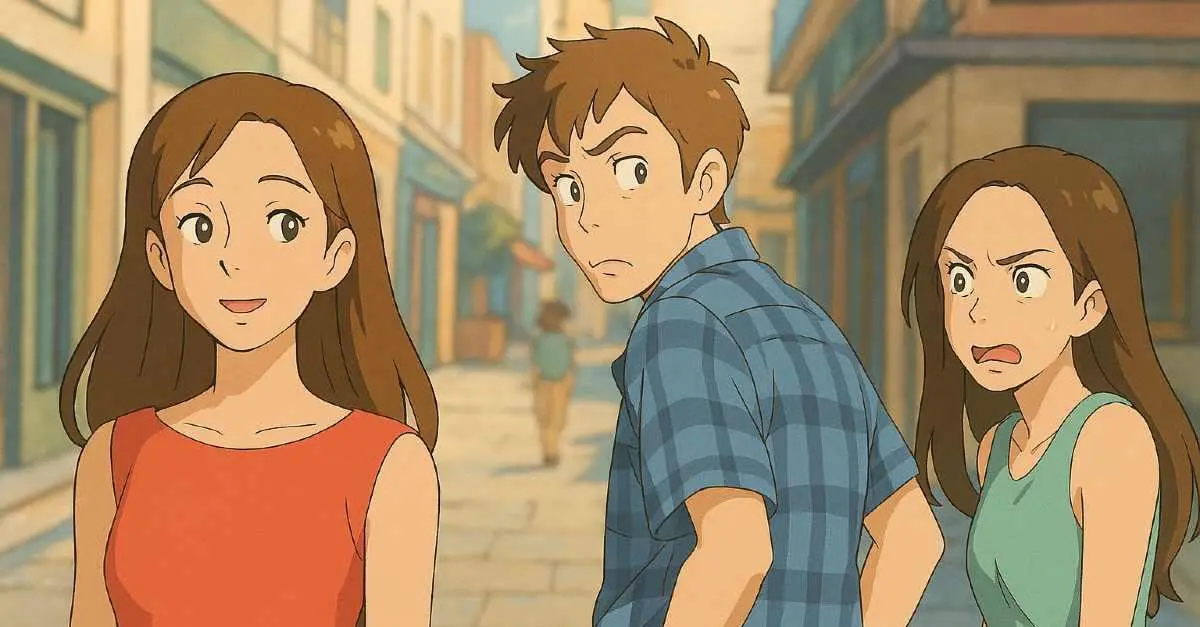
Beyond the debate over authenticity and quality, it is worth acknowledging the impulse that drives this phenomenon: admiration. For many, generating an image in the Ghibli style is not an attempt to supplant the master — it is a form of tribute to a legacy that has touched them deeply. The technology here is not a thief of art, but a tool that enables new connections with it. At its core, what is wrong with wanting to play within an aesthetic that moves us, that forms part of our collective imagination?
The artistic world has always been in a state of perpetual transformation, and the arrival of AI in that process is simply its latest chapter. What matters is how we navigate these uncertain waters. Embracing this new mode of engagement with art may well open fertile ground in which artificial intelligence and human creativity coexist and enrich each other. Ultimately, rather than a threat, these advances may be celebrated as homage — a constant reminder of what inspires us and binds us together through art.

 '
'