Art as Legacy and Wealth Strategy
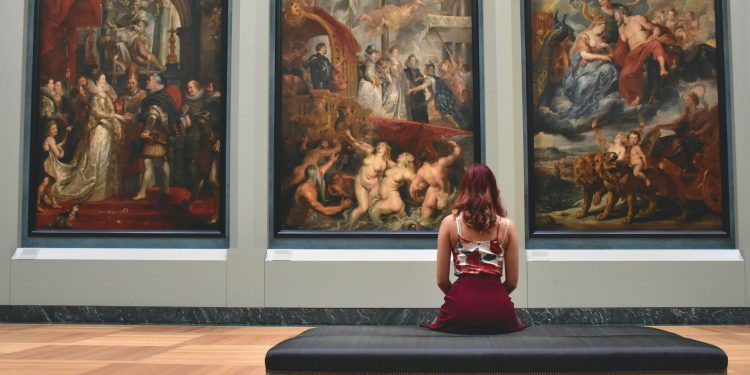
For the serious art collector, every acquisition is an act of affirmation — a deepening of an already formed sensibility, a refinement of a narrative built with patience, knowledge, and an influential network of relationships. The collection ceases to be a work in progress: it becomes an extension of thought, a visual history that reflects a lifetime of discernment. At this level, art rises to the status of strategic asset, a patrimony that combines aesthetic, historical, and financial value with a coherence that only time and experience can forge.
The primary market remains privileged terrain, though the perspective shifts considerably. The focus falls on anticipating trajectories. Galleries representing artists with institutional presence, biennial participation, and the backing of influential collectors become essential points of entry. Acquiring directly from the studio ensures authenticity and provides access to works before their auction valuations accelerate. The relationship with the gallerist assumes a strategic dimension: a trusted ally in identifying works with sustainable appreciation potential.
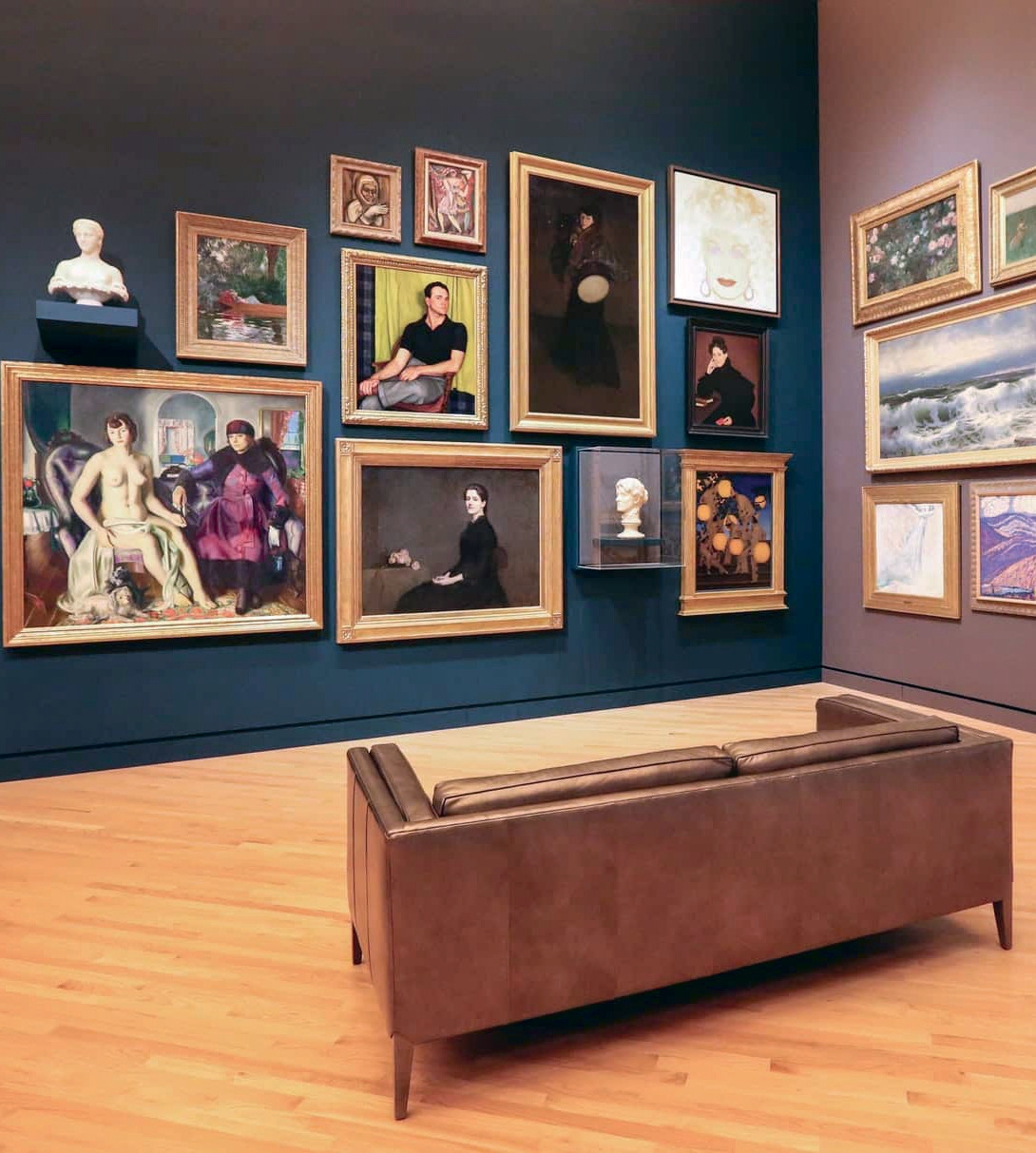
In the secondary market, information is the primary asset. Digital platforms now offer near-unlimited access to works and auctions, and have become an indispensable tool for tracking an artist’s trajectory, identifying emerging trends, and making decisions with precision. A work that has passed through collections such as those of Uli Sigg, François Pinault, or Budi Tek does not merely gain pedigree — its value is multiplied by the resonance it generates across the global art ecosystem.
Advice for Collectors
- Anticipate trajectories
- Master the data
- Verify the pedigree
- Protect with rigor
Discover how art becomes legacy, strategy, and patrimony in the pages of Elite Business.



 '
'