Architecture That Breathes: The Rise of Biophilic Design in Luxury Hotels
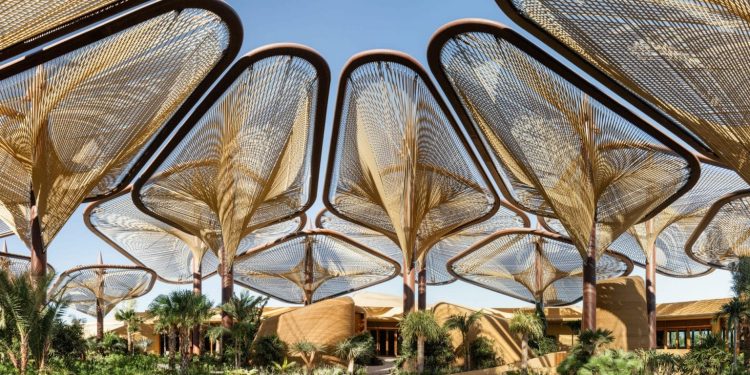
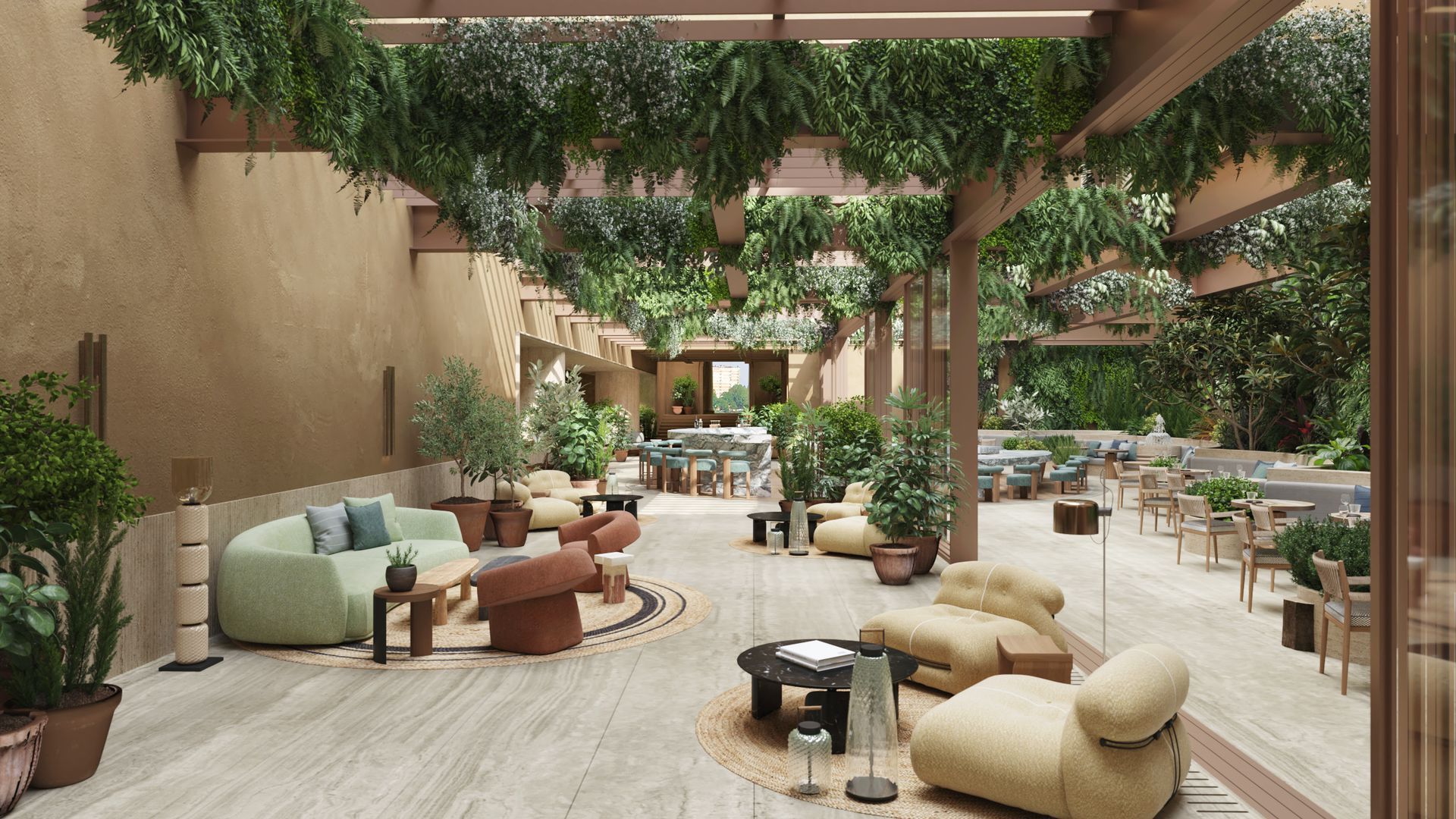
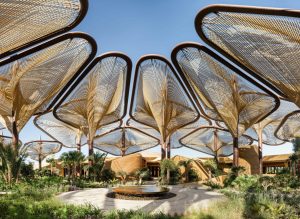
The new hospitality is designed with roots. In destinations that prize silence, natural light, and a genuine connection to the surrounding landscape, biophilic architecture has become the defining language of luxury. Hotels such as Six Senses, Aman, and Banyan Tree have elevated this concept into a form of tangible well-being — one in which every material, shadow, and texture functions as an extension of the natural world.
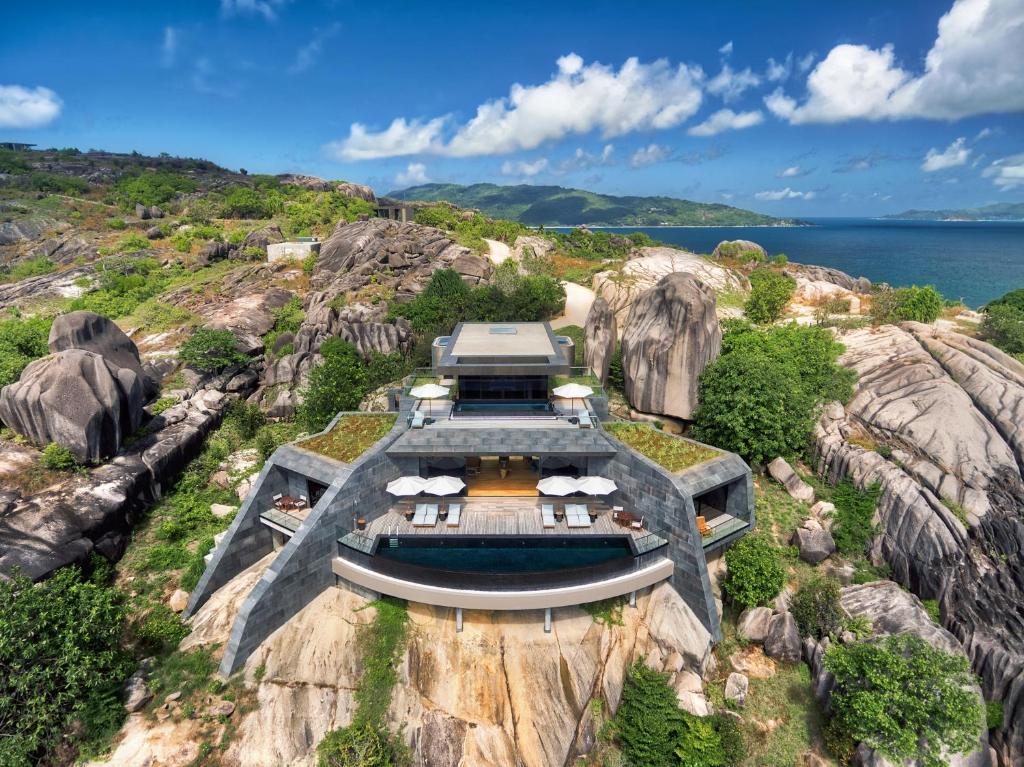
Six Senses in Finland
This is more than aesthetics — it is strategy. Guests are seeking places that breathe with them, that measurably reduce stress and deepen the quality of rest. The integration of living vegetation, cross-ventilation, and locally sourced materials translates directly into energy efficiency and lasting brand value.
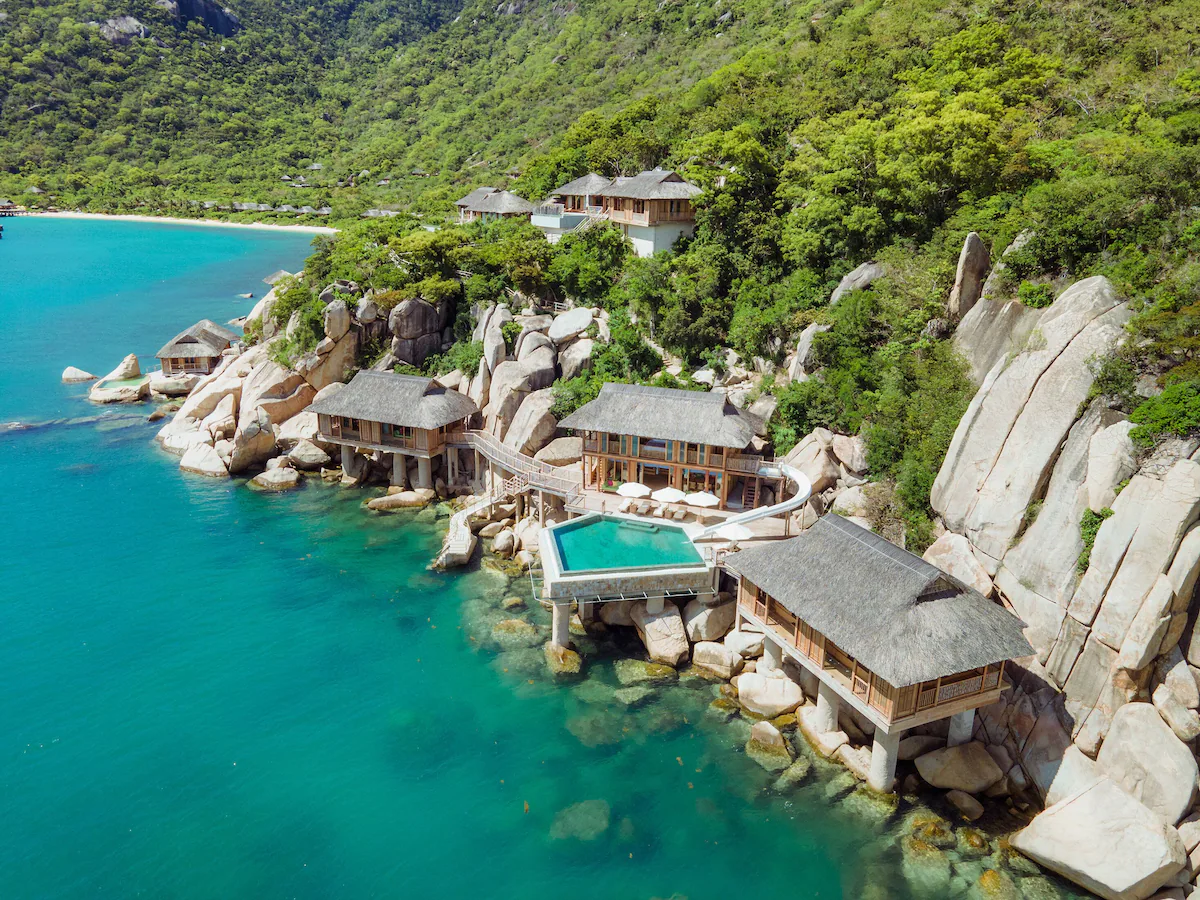
Six Senses Ninh Van Bay, Vietnam
In the post-industrial era, luxury is abandoning excess in favor of the essential. Structures that enter into genuine dialogue with their landscape do more than preserve the environment — they redefine the emotional and environmental returns of premium travel.
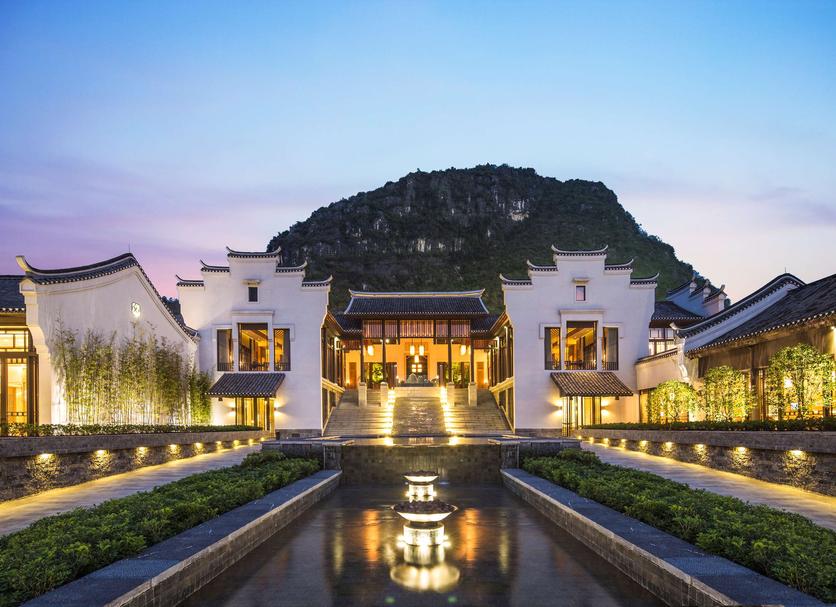
Banyan Tree Yangshuo, China


 '
'