THE TECHNICAL AND AESTHETIC EVOLUTION OF HABITABLE SPACE
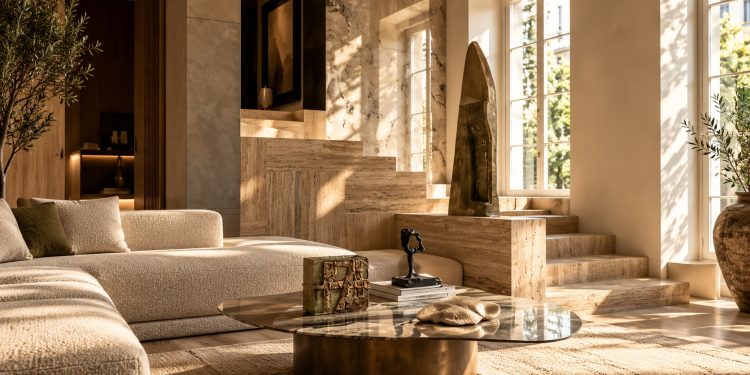
For years, interior design was understood as the final stage of an architectural project. Today, its reach is far greater — shaping the decisions that determine how a space is inhabited, worked in, and experienced, while commanding an increasingly significant role in the real estate market and the global industry.
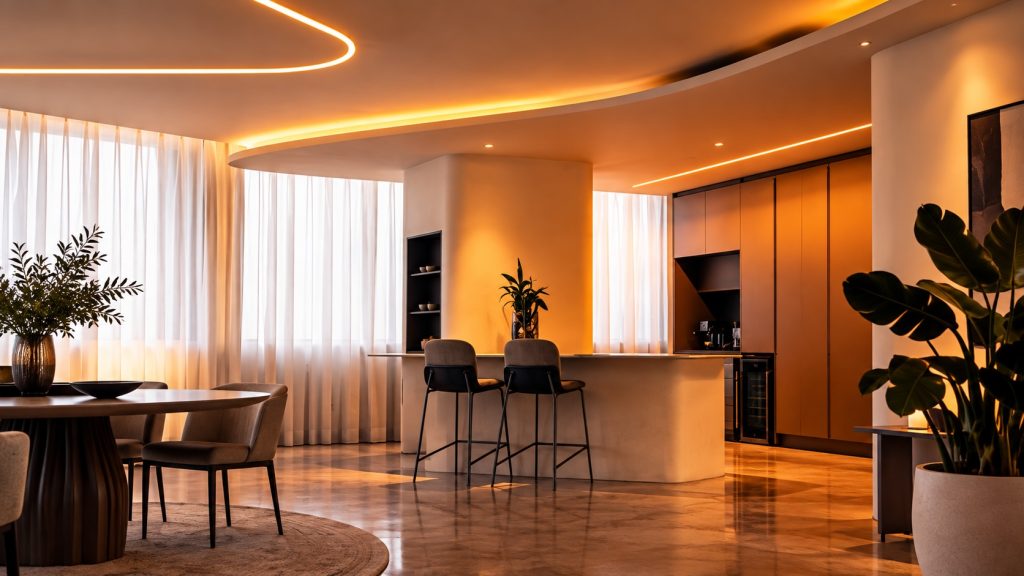
The transformation begins at the source. Architecture and interior design now converge to define materials, layout, lighting, acoustics, and atmospheres capable of responding to new ways of living. Technology has entered the equation as well: environmental systems, intelligent solutions, and comfort-driven resources are expanding the possibilities of the contemporary space.
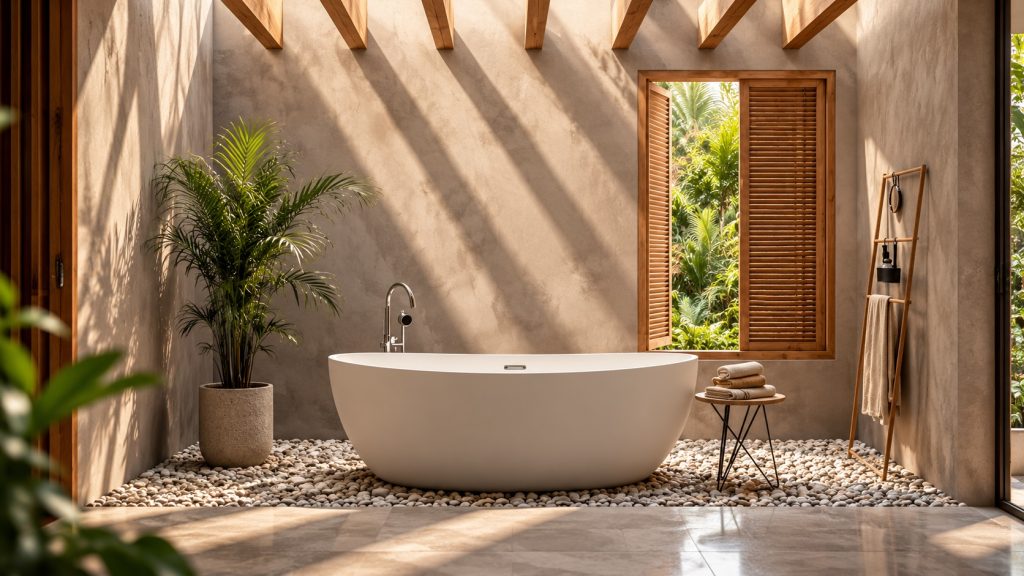
This shift is also redefining the role of the professionals who shape these spaces. Architecture and interior design firms are increasingly engaged in residential, corporate, commercial, and hospitality projects where design directly influences productivity, user experience, and perceived value.
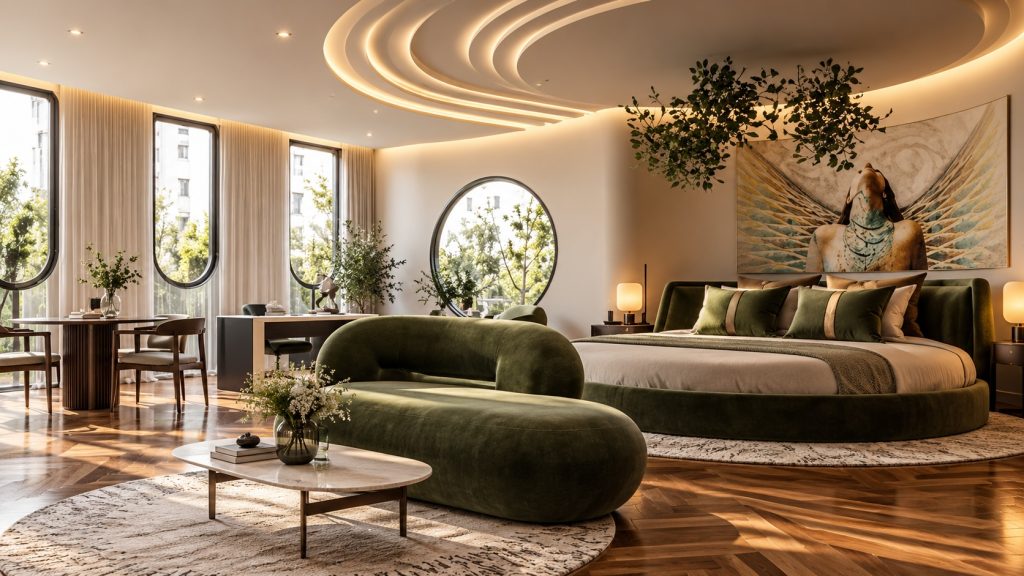
The phenomenon carries an undeniable international dimension. Events such as the Salone del Mobile in Milan and Maison & Objet in Paris serve as showcases for an industry exploring new technologies, materials, and design models, as concepts such as the circular economy, spatial efficiency, and universal design claim ever greater prominence.
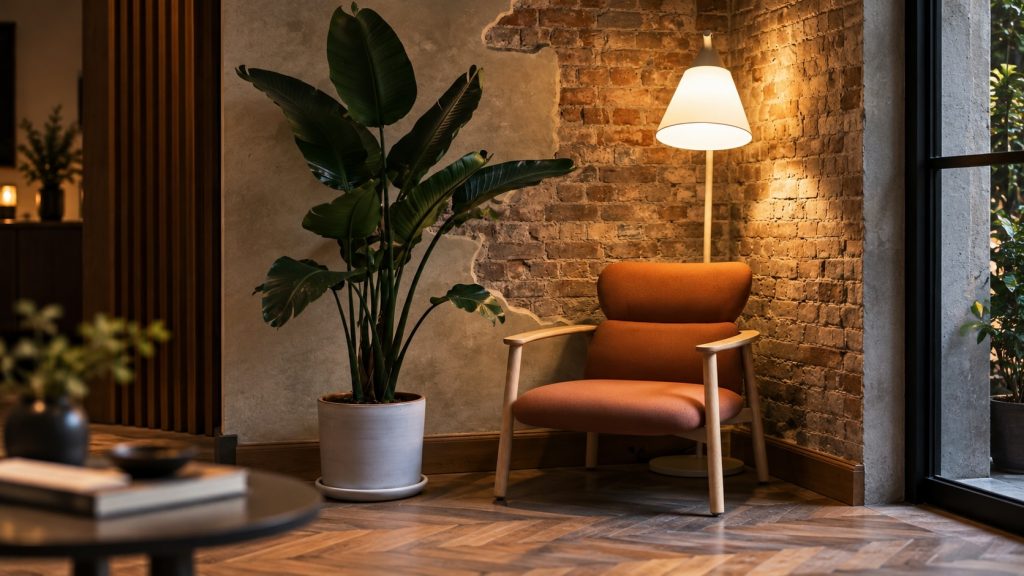
The habitable space has ceased to be merely a backdrop. It has become a precision instrument for responding to the social, technological, and economic transformations that are redefining the way we live. Discover more in the current edition of Elite Business.
Read what matters.

 '