Safari in Africa: The Geography of Privilege
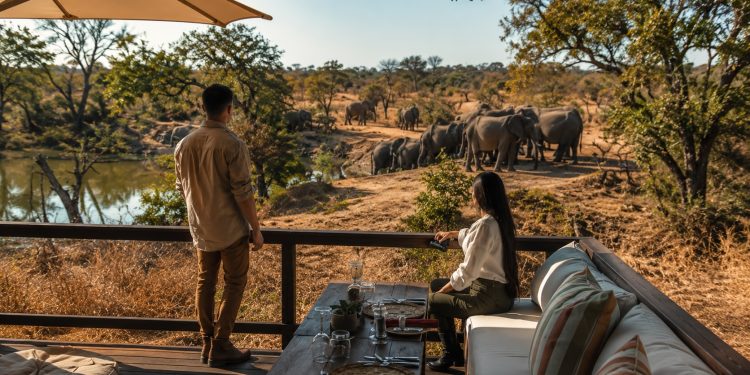
Some journeys are defined by the destination. Others, by knowing precisely when to arrive. In Africa, the shifting of seasons can transform the experience entirely — landscapes, wildlife, climate, and even the manner of moving through the territory take on a new dimension.
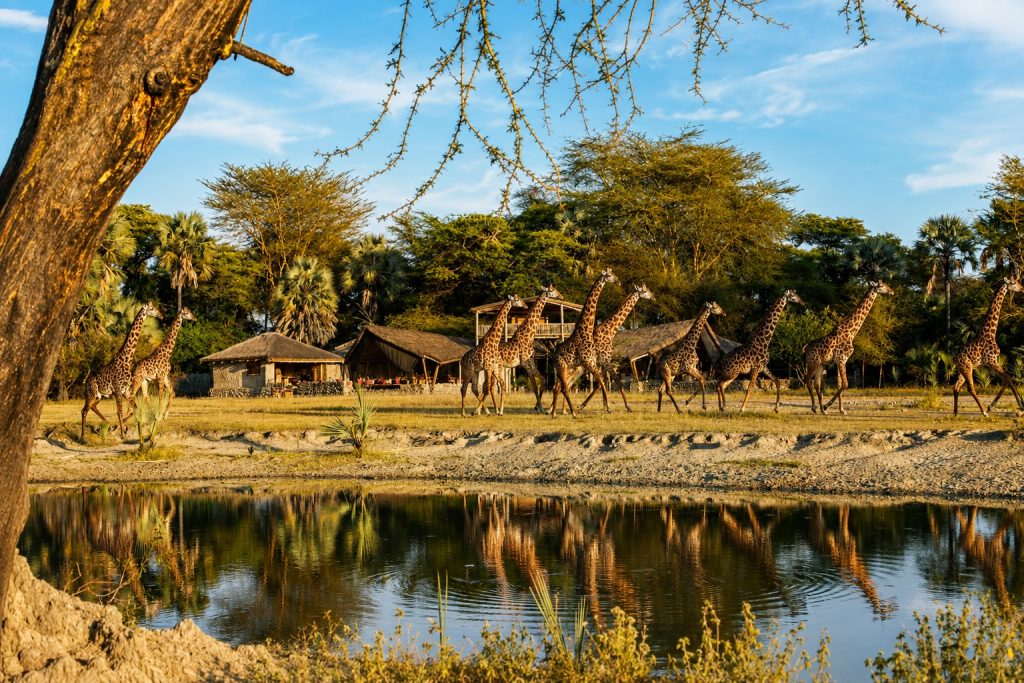
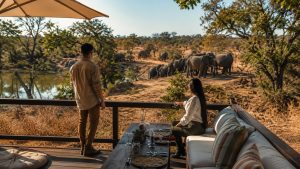
Autumn opens a particularly compelling window for exploring some of the continent’s most storied settings. In the Serengeti and Tarangire, the spectacle of vast wildlife concentrations unfolds alongside itineraries designed around the rhythms of the natural world. Further south, Zambia offers an altogether different reading of the safari, while Mozambique shifts the experience toward the Indian Ocean — beaches, untouched nature, and exceptional gastronomy in equal measure.
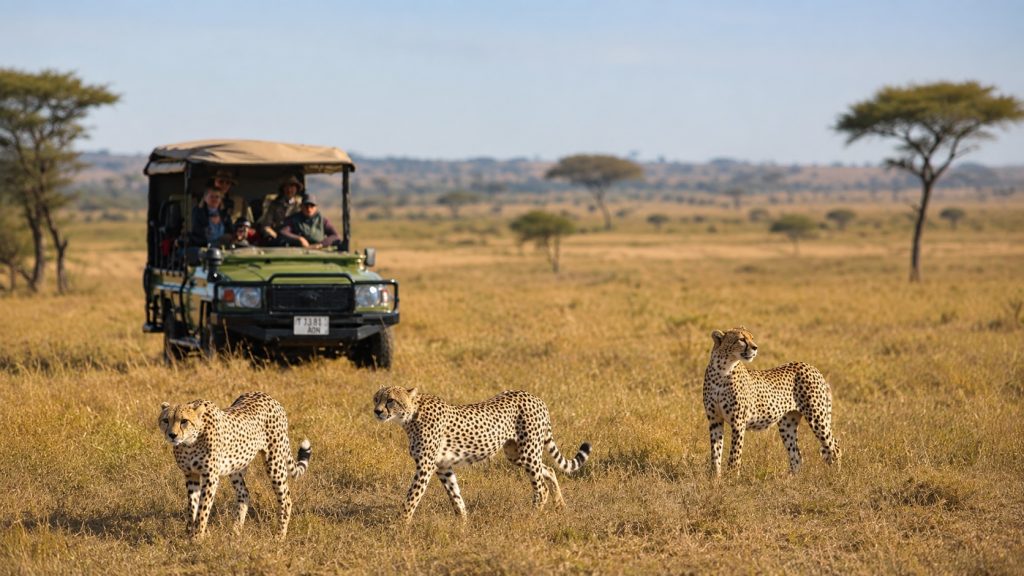
The distinction lies equally in how these destinations are lived. The high-profile traveler increasingly seeks proposals capable of combining absolute privacy, genuine contact with nature, and a service that is as carefully considered as the landscape itself. It is this demand that has driven the rise of the slow safari — a concept in which time ceases to be a secondary element and becomes, instead, an essential part of the experience.
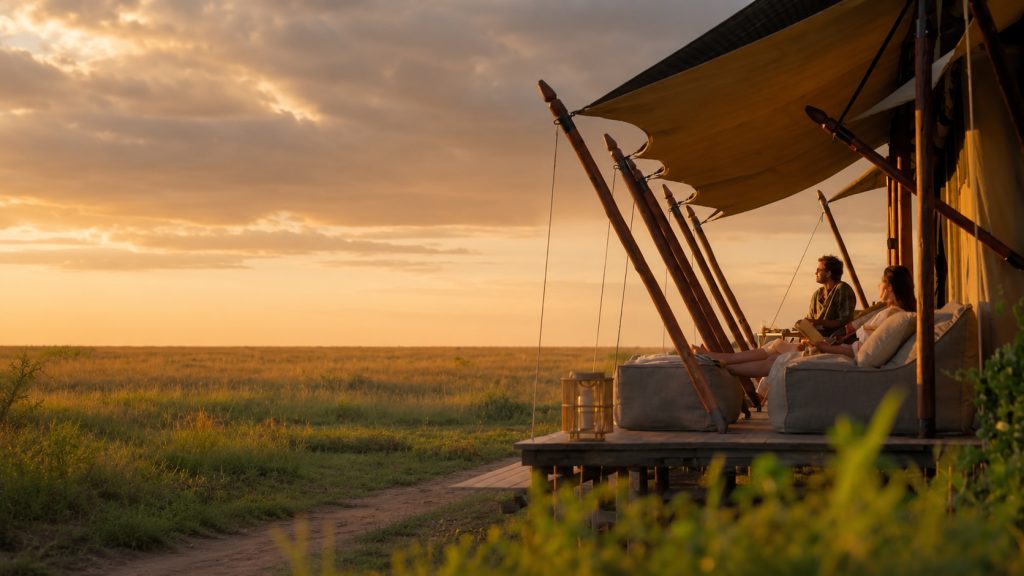
This evolution is also reshaping the hospitality industry. Certain properties have chosen to limit their footprint and prioritize experiences rooted in the land itself, while specialist operators are crafting itineraries that privilege observation and a deeper connection with the ecosystems they traverse.
More in this edition of Elite Business
Read what matters.

 '
'