The Drama of Bronze
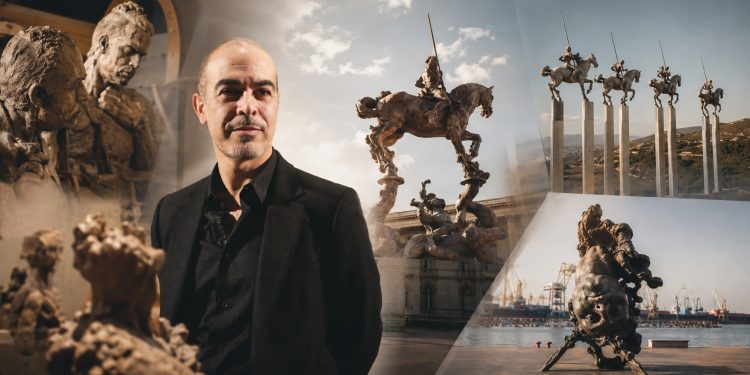
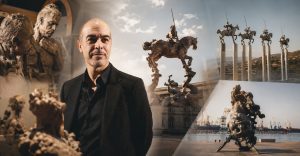
There are artists who create works to be observed. Javier Marín has built a body of work in which his sculptures seem to demand a dialogue with whoever encounters them. Bronze, resin, and monumental scale cease to be merely materials — they become a language capable of occupying plazas, museums, and public spaces across the world.
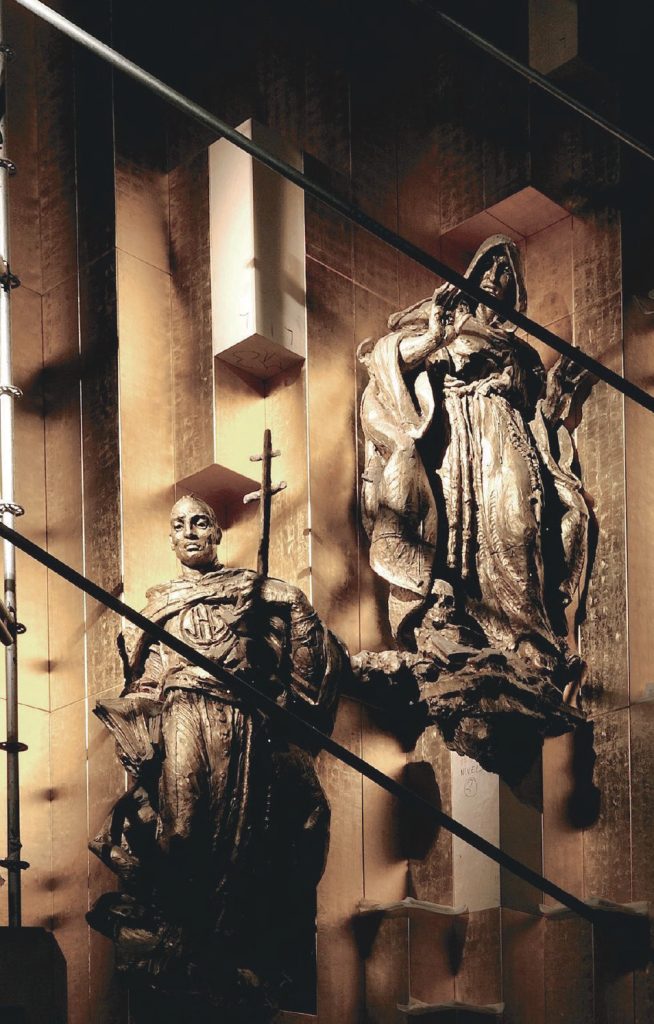
Born in Michoacán in 1962 and trained at the Escuela Nacional de Artes Plásticas of UNAM, the sculptor developed a practice that explores human anatomy from a deeply expressive perspective. His pieces retain the traces of their making: textures, marks of the modeling process, and surfaces that reveal the passage between raw matter and finished form. That aesthetic decision generates a visual tension that has become one of his defining signatures.
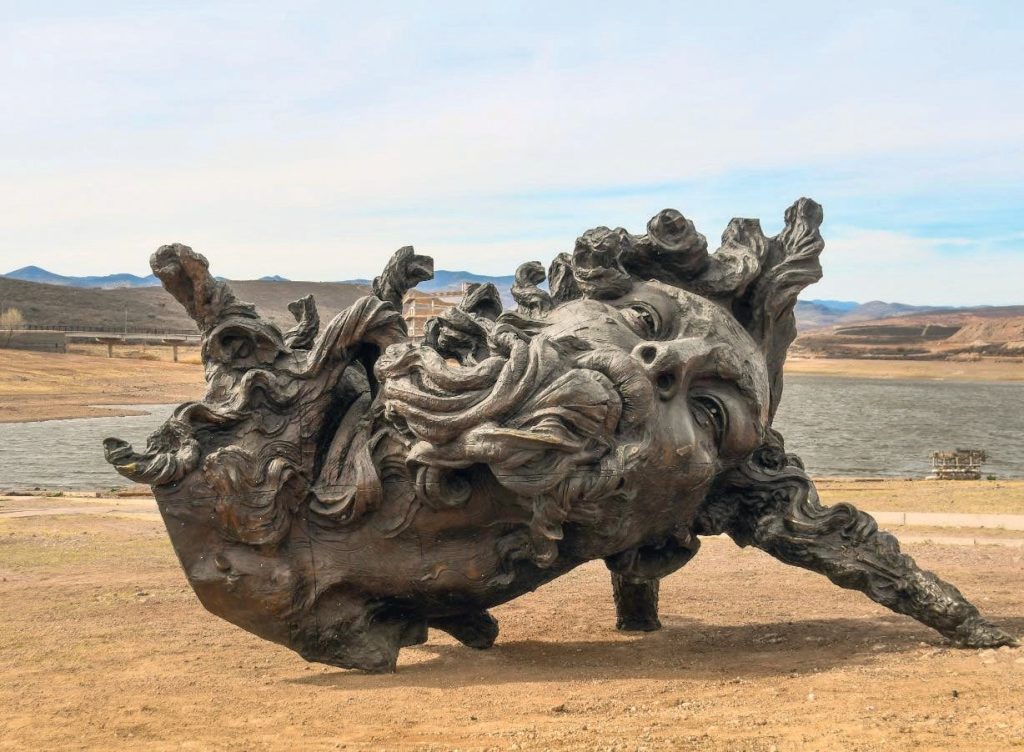
His international standing was cemented by the First Prize at the Third Beijing International Art Biennale and the distinction of Knight of the Order of Orange-Nassau, conferred by the Royal House of the Netherlands. His presence extends to institutions of the highest order — the Musée du Louvre, the Palazzo Reale in Milan, and the Museo Nazionale Romano — where his work has entered into dialogue with historical and architectural contexts of extraordinary weight.
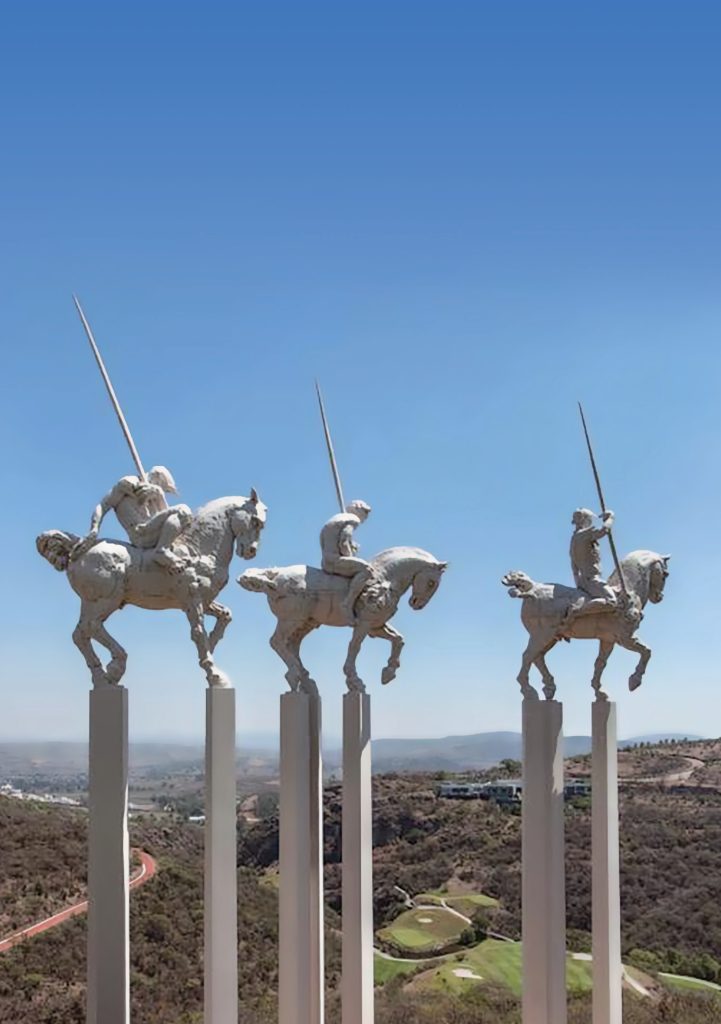
Beyond the museum circuit, Javier Marín has developed large-scale projects that weave together art, public space, and cultural heritage. From monumental interventions to initiatives driven by his foundation to broaden access to culture, his work confirms a vision that transcends sculpture — becoming, ultimately, a means of building community and memory.
Discover this and more in the Elite Business edition. Read what matters.


 '
'