The World’s Largest Rough Diamonds Flow to a Single House

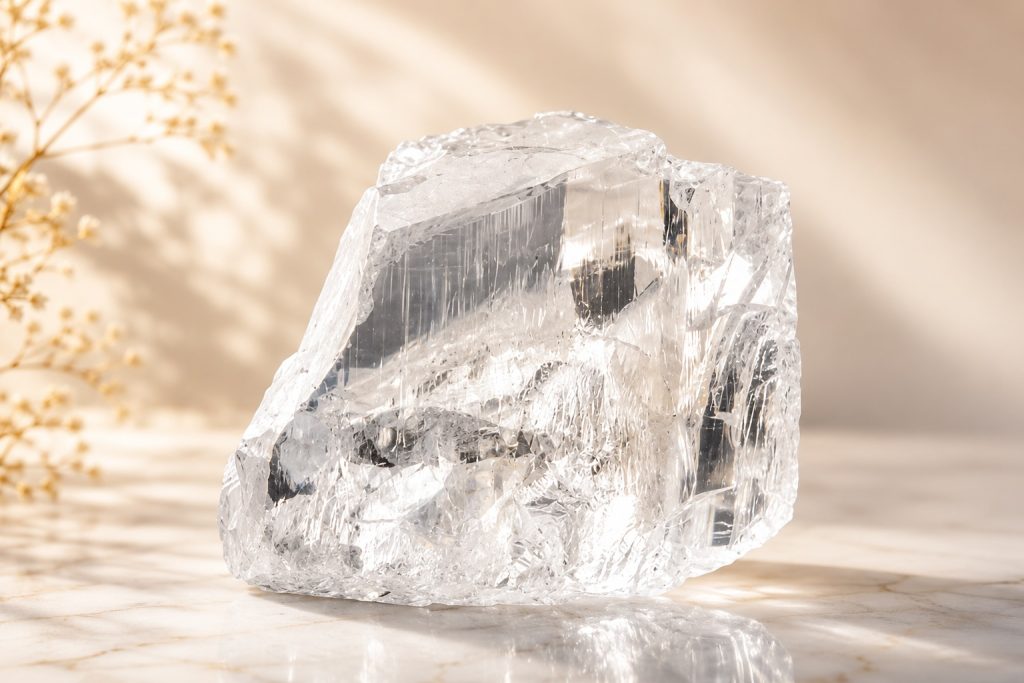
When a rough diamond exceeding one hundred carats surfaces, a public auction is almost never its destination. It travels instead, directly and quietly, to the workshop of a British house that acquires it before the market has a chance to look. Graff has operated under this logic for more than half a century: in 2016, it acquired the Lesedi La Rona, weighing 1,109 carats, for $53 million; shortly after, it secured the Meya Prosperity, at 476 carats, for $16.5 million.
The strategy rests on controlling every stage of the supply chain, from the mine to the counter. Gemologists spend months evaluating the internal geometry of each stone to determine the cut that will maximize clarity, color, and final carat weight. The process can take years.
The commercial proposition lives in the exclusivity of access to these stones — the largest on the planet — a privilege no competitor has replicated in the same span of time.
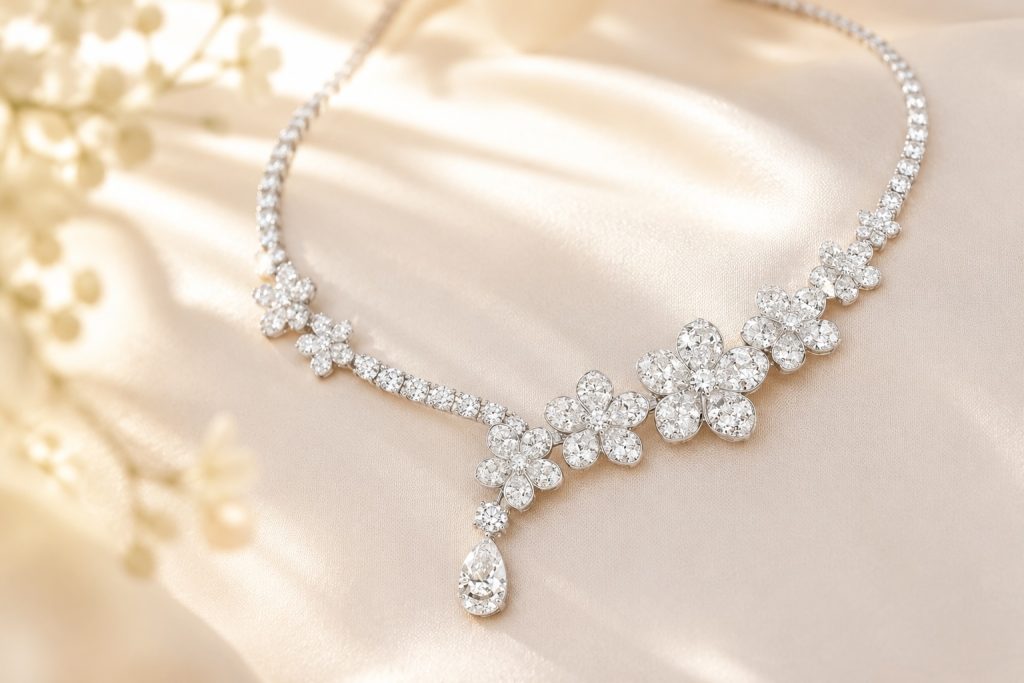
By integrating extraction with cutting, polishing, and retail under a single roof, the house founded by Laurence Graff eliminated the intermediaries who dictate pricing in the traditional market. The final client acquires a stone whose provenance has remained under the absolute control of a single house, from the mine forward.
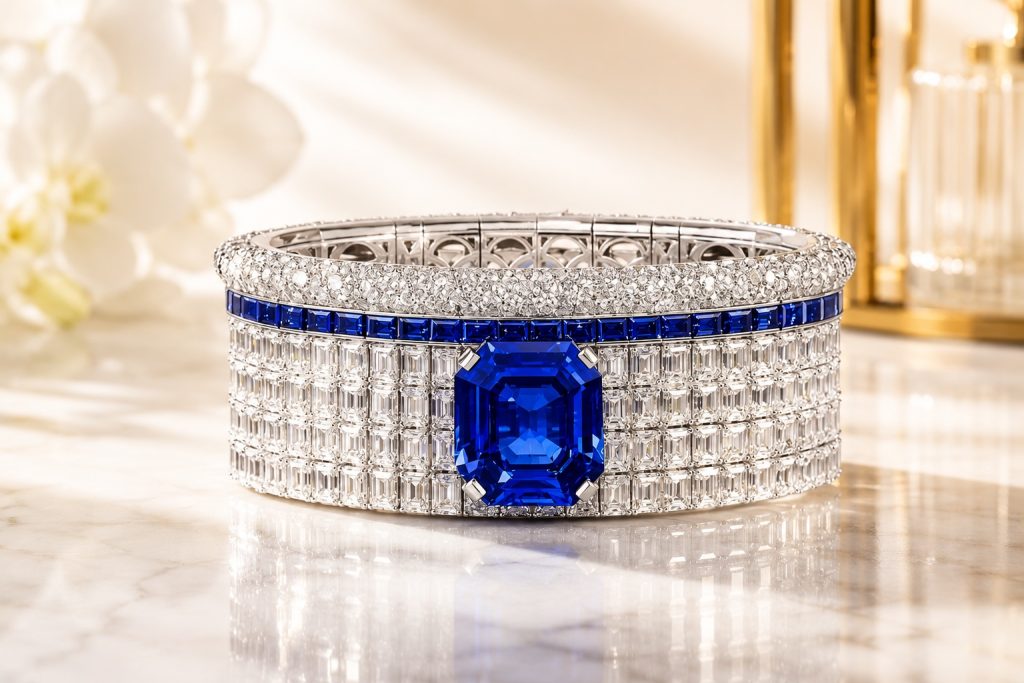
In a market where diamonds face mounting questions of origin and intensifying competition from synthetic stones, verifiable provenance has become the primary source of commercial value in fine jewelry — and it is precisely what sustains Graff‘s pricing authority against any alternative in the segment.



 '
'