Revolution or Trend?
The Hauser Spring: Control Over Contemporary Art?
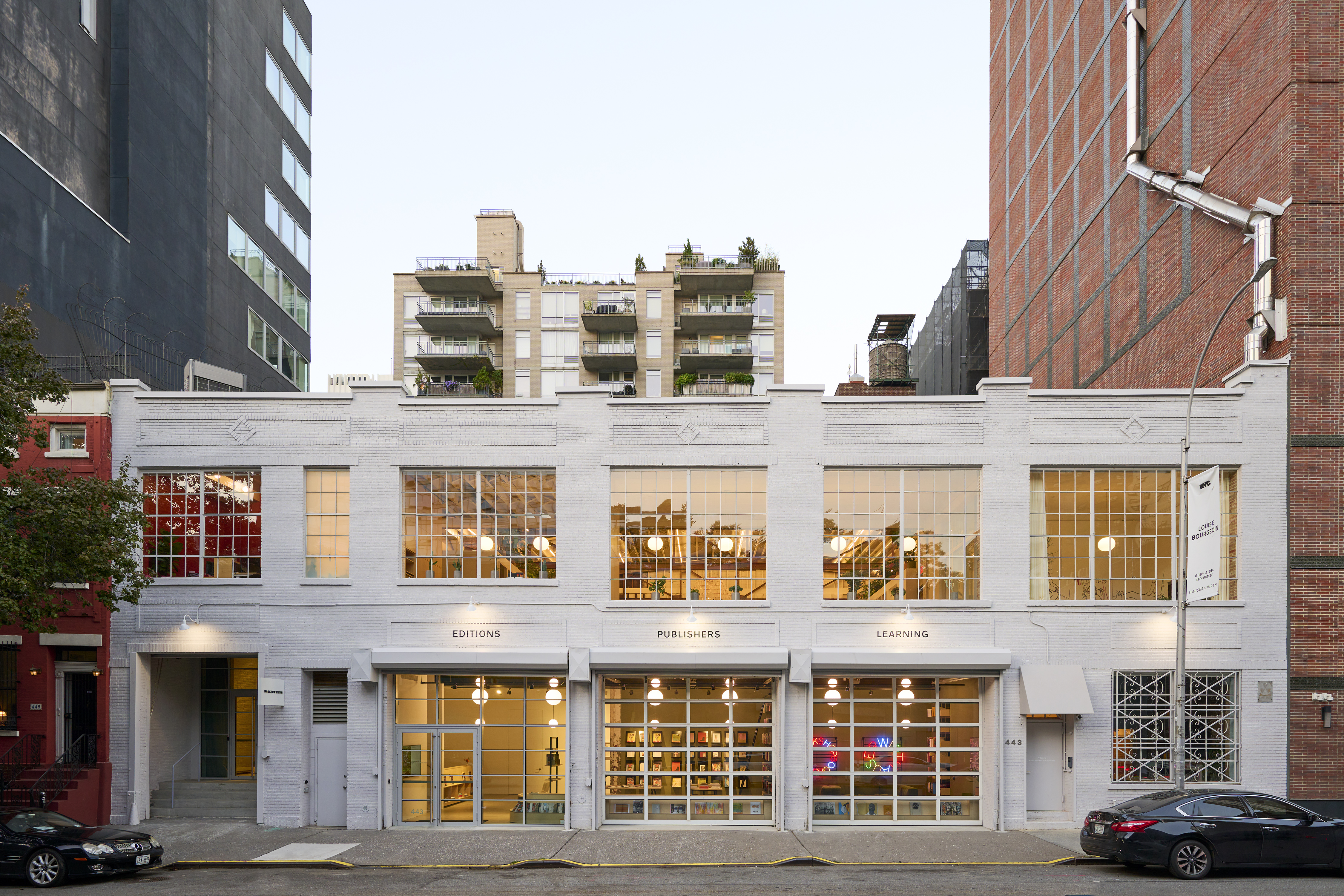
Artists represented by Hauser & Wirth are commanding a striking presence across New York’s major museums this spring — a concentration so pronounced that many have taken to calling it “the Hauser spring.” The phenomenon throws into sharp relief the complex and often uneasy relationship between commercial galleries and cultural institutions. Museums may assert their independence from the market, yet the dynamics of fame and sales exert an undeniable influence on their programming. This season, names such as Jack Whitten at the MoMA, Amy Sherald at the Whitney, and Rashid Johnson at the Guggenheim are occupying the most prominent exhibition spaces the city has to offer.
There is no question that these artists have worked with singular dedication to earn the recognition they now enjoy. Yet a disquieting question persists: does the overwhelming presence of a single gallery across so many simultaneous exhibitions narrow the spectrum of contemporary art on offer? Galleries routinely finance exhibitions, but the reach of Hauser & Wirth — with 17 locations and more than 100 artists in its roster — raises legitimate questions about the true diversity of voices shaping the art world.
Representation by Hauser & Wirth is not, strictly speaking, a prerequisite for a museum retrospective. Yet critical recognition has become nearly synonymous with affiliation to one of the mega-galleries. Artists pursuing equally significant careers outside that orbit — among them Santiago Yahuarcani — are no less deserving of institutional attention than their better-known contemporaries.
In this context, the absence of greater diversity in exhibition programming underscores the urgent need for a more inclusive and genuinely global approach. New York’s recurring exhibition cycles reflect real and legitimate demands for visibility — for artists of color, queer artists, and women. Yet the fact that those who do receive the spotlight are overwhelmingly tied to marquee galleries suggests that the system remains stubbornly concentrated.
In Search of Balance
Galleries play an indispensable role in supporting artistic production and funding exhibitions. But museums must rise to the challenge of broadening their programming — actively seeking out artists who, though not yet affiliated with mega-galleries, are equally consequential within the global context. Striking a more deliberate balance between market influence and institutional representation should be the imperative of our moment.
The contemporary art world must open itself beyond its dominant corporate structures, creating space for diverse and underheard voices to claim their place in cultural history. Cultural institutions are called to reexamine their programming with unflinching honesty and ensure it is as rich and varied as art itself. Only then can they fulfill their defining purpose: to be true beacons of human culture.


 '
'