The Kremlin Praises Trump’s Foreign Policy: A Pivot Toward Russia Amid the Ukraine Crisis?
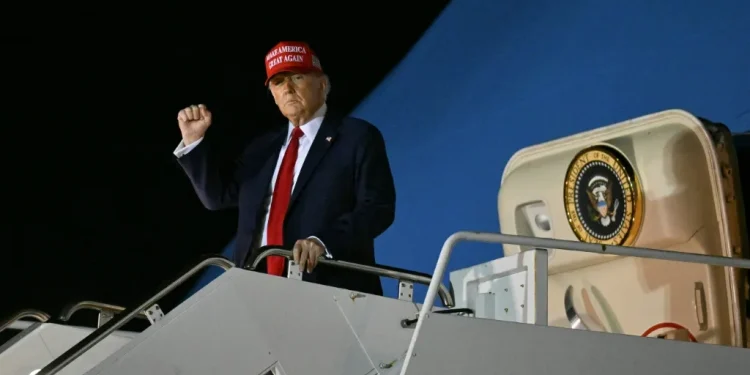
Against a geopolitical backdrop defined by deepening tension between the United States and Russia, Kremlin spokesman Dmitry Peskov declared that the foreign policy of the Donald Trump administration is aligning with Russian interests. Remarks issued on Sunday suggest that, despite persistent challenges, meaningful improvement in bilateral relations remains possible — a prospect with profound implications for the conflict in Ukraine. That rapprochement, however, has been complicated by Trump’s recent and highly public confrontation with Ukrainian President Volodymyr Zelensky at the White House.
Peskov emphasized that the Trump administration is “rapidly reconfiguring all foreign policy settings” — a shift that, in his assessment, largely coincides with Russia’s own strategic vision. Despite the apparent progress, the spokesman cautioned that a long road remains, given the accumulated damage to bilateral relations. His remarks have generated considerable controversy, particularly in the aftermath of the contentious Oval Office meeting in which Trump and Zelensky clashed sharply over the current state of the war in Ukraine.
Tensions escalated further when Trump argued that Ukraine “is not in a good position right now” and accused Zelensky of “playing with World War III.” The tone and substance of those exchanges have deepened criticism of the Trump administration, with observers drawing an alarming parallel to Kremlin rhetoric. Senator Lisa Murkowski and Senator Chris Murphy voiced concern that the White House may be “embracing Putin” — a posture that could fatally undermine American support for Ukraine in its resistance to Russian aggression.
The U.S.-Russia dialogue raises urgent questions about Trump’s diplomatic strategy in the Ukraine conflict. In the interim, the Trump administration appears to be pressing forward with a more conciliatory posture toward Russia. National Security Advisor Michael Waltz confirmed in an interview that the State Department is engaged in active dialogue with both Ukraine and Russia over the conditions required to end the war. That disclosure has intensified suspicions about the direction of American foreign policy — particularly given Washington’s recent vote against a United Nations resolution condemning Russia, a move that left much of the international community questioning whether the United States is abandoning its long-standing commitment to Ukraine.
Ukraine‘s fight for independence and stability now stands at a crossroads. The Trump administration’s approach may have already weakened the peace negotiations that the president once promised to resolve in “24 hours.” As democracies around the world reaffirm their support for Ukraine, Trump faces mounting criticism over his overtures toward Vladimir Putin and his handling of the conflict. The line between American and Russian interests grows ever harder to discern — and the future of Ukraine hangs in the balance as U.S. foreign policy appears more aligned with the Kremlin than at any point in recent memory.


 '
'