Neuralink: The Bridge Between the Human Mind and Artificial Intelligence
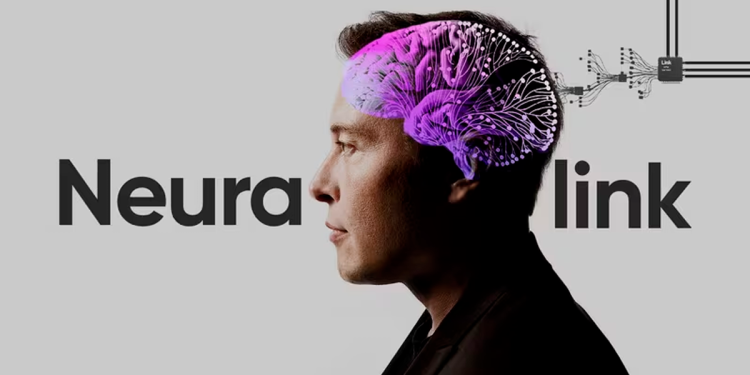
Could we one day control a computer through thought alone? Neuralink says yes. The company has begun human trials of its brain-computer interface, opening the door to an entirely new paradigm of interaction between the human mind and artificial intelligence.
Since its founding in 2016, Neuralink has been developing a brain-computer interface (BCI) technology that promises to redefine how humans interact with machines. Elon Musk has stated that its first product, Telepathy, will allow individuals with paralysis to control devices such as computers and smartphones through thought alone. Yet the trademark filing reaches considerably further, suggesting that Neuralink’s technology could ultimately enable telepathic communication between people.
Neuralink’s brain implant works by collecting neural signals, which are then interpreted by software to move a cursor on a screen. To date, three individuals have tested the device in a feasibility study. The first, Noland Arbaugh, underwent surgery in January 2024. The company has also established a testing center in Canada — a meaningful milestone in its broader expansion.
The trademark application for Telepathy, filed on March 3rd, describes the product as “an implantable brain-computer interface for facilitating communication and the control of software and hardware.” Trademark attorney Josh Gerben cautions, however, that trademark filings can be deliberately broad and speculative. The phrase “facilitating communication” may encompass not only keyboard input on devices, but also the potential for telepathic communication between individuals carrying the Neuralink implant — a vision that aligns with Elon Musk’s stated interest in enabling telepathy through BCI, promoting a far deeper form of conceptual interaction between minds.
Neuralink’s recent advances — and their potential to fundamentally reshape our understanding of human communication — are as fascinating as they are consequential. The possibility of telepathy and telekinesis via brain implant could irrevocably alter the fabric of social interaction, dismantling the barriers that language has always imposed. Should Neuralink deliver on these promises, we may be approaching a reality in which the mind becomes the primary interface for communication and control — a first step toward a future where thought itself is the tool we use to connect.


 '
'