Apple Is Developing Camera-Equipped AirPods That Could Redefine AI-Powered Audio
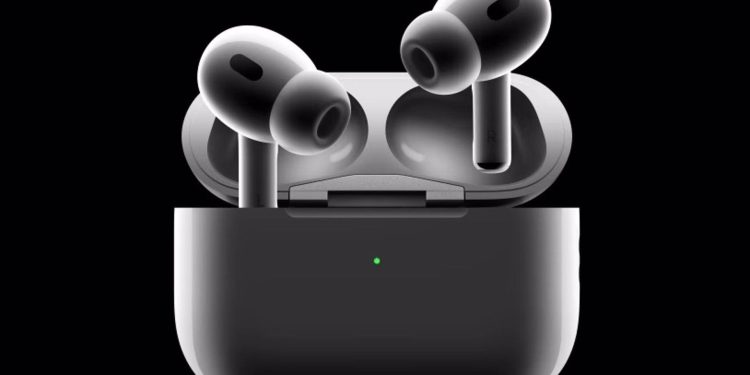
Apple is developing AirPods with integrated cameras that promise to transform how users interact with their surroundings through artificial intelligence and gesture control.
The reports are gaining considerable weight. According to an exclusive account by Mark Gurman in Bloomberg, Apple’s next generation of AirPods may incorporate integrated cameras capable of sensing the user’s environment in real time. These cameras would not be designed for photography or video — that remains the iPhone’s domain — but for something far more consequential: functioning as environmental sensors to meaningfully enhance the listening experience by reading the world around the wearer.
Ming-Chi Kuo, one of the technology industry’s most closely followed analysts, has also weighed in on the cameras’ potential applications. He suggests they would help refine spatial audio technology, ensuring that sound is precisely organized relative to the listener’s position. Beyond that, the AirPods could introduce in-air gesture control, allowing users to interact with their devices entirely without touch.
Apple is also exploring the deep integration of artificial intelligence into these next-generation AirPods. Imagine receiving real-time contextual information about your surroundings — a warning about an approaching vehicle, an instant answer to a question about the place you are standing in — all without reaching for your iPhone.
No official announcement has been made regarding a launch date, but the mounting reports suggest the arrival of these AirPods may be closer than expected, as Apple continues its aggressive expansion of an ecosystem built around artificial intelligence.
The combination of artificial intelligence, spatial audio, and gesture control in a single device sets a formidable new benchmark for the category — and a direct challenge to every competitor in the conventional audio market. The question worth asking is a simple one: are we ready for a new era of auditory interaction?


 '
'