Tesla and the Energy Future: Beyond the Automobile
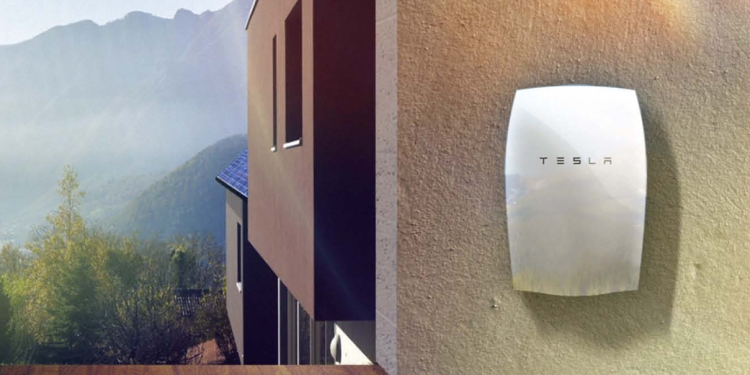
Tesla is far more than an automaker — it is actively reshaping the energy industry and challenging the way the world thinks about sustainability and mobility. Few companies have woven innovation and sustainability into their very DNA as thoroughly as Tesla. Founded in 2003, the company has evolved from a garage-born ambition into a titan of automotive and energy technology. Beyond its iconic electric vehicles — the Model S and the Model 3 among them — Tesla is pressing deep into what many regard as the defining frontier of our time: renewable energy. In its pursuit of a fully sustainable world, the company has developed technologies that could fundamentally alter how humanity generates and consumes power.
Among its most consequential products are the Powerwall home batteries, which allow households to store energy generated by solar panels. The system reduces electricity bills while meaningfully diminishing dependence on fossil fuels — a dual benefit that has driven demand far beyond initial projections. Since its launch, Powerwall installations have surpassed 500,000 units worldwide in under six years, securing Tesla a privileged position at the center of the global energy transition.
The road, however, has not been without friction. Electric vehicle production continues to face headwinds — semiconductor shortages, intensifying competition in an increasingly crowded market, and persistent scrutiny over labor conditions at its manufacturing facilities. Yet Tesla has demonstrated a consistent capacity to adapt: refreshing its vehicle lineup, and building out a Supercharger network that makes long-distance electric travel a practical reality rather than a compromise.
The company’s ambitions extend further still. With Solar Roof, Tesla is betting that every home can become its own power source. The vision — rooftops that shelter and generate electricity simultaneously — is no longer science fiction. It is an emerging reality. The convergence of intelligent vehicles, energy storage systems, and solar generation could transform the private home into a self-sufficient microgrid.
As both the automotive and energy industries undergo historic transformation, Tesla is redefining not only how we drive, but how we conceive of energy itself. What began as a mission to bring electric vehicles into the mainstream has quietly evolved into something far larger — a revolution in humanity’s relationship with power. The question is no longer whether this new energy era is coming. It is whether the world is ready to meet it.


 '
'