Cybertruck: Tesla’s Greatest Failure?
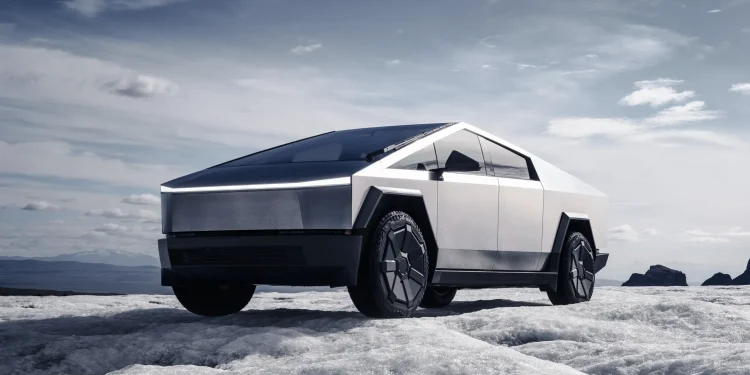
Tesla’s Cybertruck promised to upend the industry with its futuristic design and stainless-steel body. One year after launch, it is shaping up to be one of the most consequential automotive miscalculations in recent memory. Priced at more than $82,000 — more than double the figure originally announced — and with sales barely reaching 40,000 units against a projected 250,000, the vehicle has found itself trapped between controversy and ridicule.
Its reception has been nothing short of disastrous: eight recalls in just 13 months, persistent body panel failures, and a design that polarizes far more than it persuades. What Elon Musk envisioned as a futuristic icon has become internet fodder, with viral videos cataloguing its deficiencies in merciless detail. “The Cybertruck is a genuine disaster,” says Eric Noble of CARLAB, drawing comparisons to historic automotive failures such as the Ford Edsel.
The problem runs deeper than aesthetics. While traditional pickups — the Ford F-150 foremost among them — continue to dominate through proven functionality and reliability, the Cybertruck struggles to justify its own existence. Its elevated price point, quality concerns, and fundamental failure to address real consumer needs have rendered its position in the market nearly untenable.
The lesson is unambiguous: radical innovation guarantees nothing if it fails to align with genuine market demand. Tesla placed its wager on visual impact while neglecting the essentials — practicality, durability, and perceived value.
The Cybertruck stands as a cautionary study in the dangers of prioritizing spectacle over substance. Its legacy may prove to be not a revolution in transportation, but a reminder that in the automotive world, design and function are inseparable. Can it yet be redeemed? Time will tell — but for now, its story appears to be written in stainless steel and costly mistakes.


 '
'