The Technology Safeguarding a Secure Papal Election
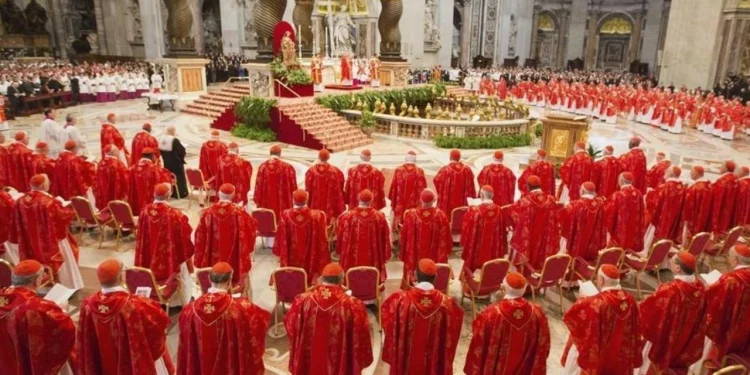
Conclave 2025: How New Technologies Will Fortify the Election of the Pope.
:format(jpg)/f.elconfidencial.com%2Foriginal%2F984%2F08f%2F8c3%2F98408f8c38cf4d9654c71896c43ff842.jpg)
Conclave Security Faces Its Greatest Challenge in the Digital Age
In 2005, mobile phones were banned for the first time during a Catholic Church conclave. Now, in 2025, following the death of Pope Francis, the Vatican confronts unprecedented security challenges in its effort to safeguard the secrets surrounding the election of his successor.
The conclave — the ancient process by which a new Pope is chosen — must preserve absolute integrity and secrecy, qualities that have always defined this sacred ritual. Against a backdrop of relentless technological change, the challenges facing Vatican authorities have never been greater. Innovations such as artificial intelligence, drones, and infodemic strategies present both opportunities and significant risks that could threaten the integrity of the process. As the cardinals prepare to vote, the Vatican has effectively transformed itself into an electronic bunker in the face of these innovations.
Signal-jamming technologies represent one of the most sophisticated countermeasures to be deployed during the conclave. While Vatican personnel inspect the premises and screen all those in attendance, signal jammers will ensure that unauthorized microphones or cameras cannot operate within the sealed perimeter. Yet the effort extends well beyond jamming: every corner of Vatican City will be subjected to meticulous inspection, including a double verification of every selected participant, to ensure that nothing escapes surveillance. In this way, the Vatican — a sovereign territory of barely 0.44 square kilometers — becomes a fortress, its network of 650 security cameras standing guard over a secret that holds the attention of the entire world.
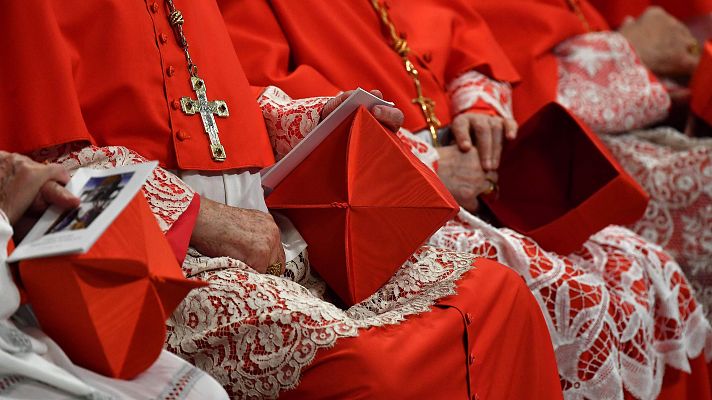
Ingenious Measures Guarantee Privacy Throughout the Selection Process
The most effective tactic against surveillance remains elegantly simple: closing doors and windows. With satellites capable of monitoring from orbit and AI systems able to interpret lip movements, privacy has become a genuine strategic challenge. To counter this, opaque film has been applied to the windows of all rooms and voting chambers, preventing the outside world from penetrating the inner deliberations. Such measures reflect a determined effort to shield the conclave from media frenzy and uninvited scrutiny.
The election of the new leader of the Catholic faith is expected to draw close to 200,000 people — a remarkable figure given that the Vatican is the smallest sovereign state on Earth. The convergence of so consequential an event with the relentless pressures of modern technology demands that the Vatican and the Holy See deploy security protocols that are both rigorous and genuinely innovative. As the conclave draws near, Catholic authorities appear resolute in their determination to protect not only the secret of the election, but the very essence of their institution — in a world where privacy itself has become something of a luxury.


 '
'